

Is Deep Plane Facelift Safe in Thailand?
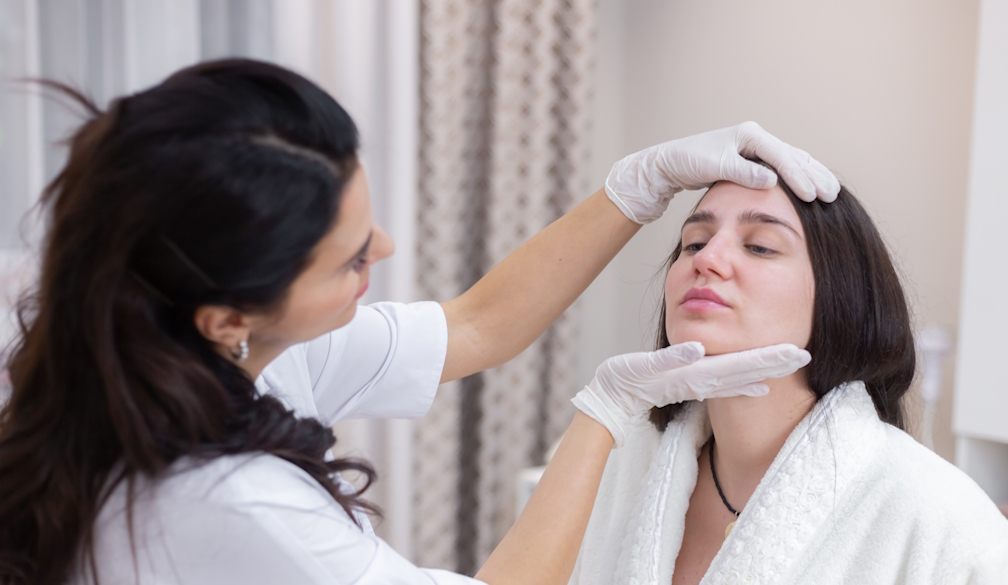
When you ask whether a deep plane facelift is safe in Thailand, you’re really asking: “Can I get high-quality surgical care with strong safety standards and reliable follow-up while I’m traveling?” That’s a smart question. But the country name alone can’t answer it.
Safety depends on the surgeon’s experience with deep plane technique, the facility’s standards, anesthesia care, and your recovery plan—especially how long you stay locally for follow-up. If those pieces are solid, a deep plane facelift can be performed safely in Thailand. If they’re weak, risk rises no matter where you go.
What a deep plane facelift is (in plain language)
A deep plane facelift is a technique that repositions deeper facial tissues rather than relying mainly on tightening skin. In simple terms, it aims to lift and support the structures that create midface heaviness, jowls, and laxity around the jawline and neck. When it’s done well, the goal is a refreshed look that still feels like you—less “pulled,” more naturally restored.
It’s also a technically demanding approach. That doesn’t mean it’s automatically dangerous. It does mean your surgeon’s training and case volume matter a lot.
Who might be a good candidate (and who should be cautious)
You might be a good candidate if you’re noticing deeper changes such as midface descent, jowls, and neck laxity that won’t be improved by skin tightening alone. Your anatomy, skin thickness, and tissue quality influence what technique will create the most natural result.
You should be more cautious if you have risk factors that affect healing or anesthesia safety. Smoking (including vaping), uncontrolled diabetes, certain clotting histories, and poorly managed high blood pressure can raise complication risk. A reputable clinic won’t gloss over this—they’ll screen you carefully and may ask you to optimize your health before scheduling anything.
Safety fundamentals: what makes any facelift safe
Whether you’re in Thailand or anywhere else, facelift safety rests on a few non-negotiables.
First, you need a surgeon who performs deep plane procedures regularly and can explain why that approach fits your face. Second, anesthesia must be delivered and monitored by qualified professionals with proper equipment. Third, the operating environment must follow strict sterility practices and have emergency readiness. Finally, your aftercare plan must be structured, with clear follow-up visits and fast access to help if a concern appears.
When these fundamentals are strong, your risk decreases significantly.
Thailand-specific considerations
Thailand is popular for facial surgery partly because many clinics have experience working with international patients. In major medical hubs, you may find modern facilities and organized patient coordination. However, quality can vary widely between providers.
This is why your decision should be clinic-specific, not country-wide. The safest approach is to focus on surgeon expertise, facility standards, and aftercare rather than relying on marketing or general reputation.
How to choose a surgeon for deep plane technique
If you’re considering deep plane facelift Thailand, your surgeon selection is the single most important decision you’ll make. Deep plane outcomes depend heavily on the surgeon’s ability to plan, execute, and manage healing.
Look for a surgeon who can show consistent results across multiple patients, ideally including people with similar anatomy and aging patterns to yours. During consultation, notice whether they explain limitations and risks clearly. A surgeon who speaks honestly about what can go wrong—and how they handle it—is usually safer than one who promises perfection.
It also helps to ask about the support team. Deep plane facelifts are not “solo performances.” You want a clinic where anesthesia, nursing, and post-op monitoring are handled by experienced professionals with clear protocols.
Facility and anesthesia safety checks
A high-quality facility should be able to explain how anesthesia is provided and monitored, what equipment is used during surgery, and what the emergency plan is if a complication occurs. They should also tell you whether overnight observation is recommended and what follow-ups are scheduled during the first week.
If these answers feel vague, that’s not a small detail—it’s a reason to keep looking.
Risks and complications: what you should know
Every facelift involves swelling, bruising, and a period of numbness or tightness. Those are common and usually temporary. More serious complications can include hematoma (a collection of blood), infection, skin healing problems, and nerve weakness or injury. The deeper the technique and the more extensive the surgery, the more important careful patient selection and meticulous surgical execution become.
Your risk increases when you combine many procedures in one session, when you smoke, or when you rush travel and follow-up. A safe plan is often more conservative than a “max transformation” plan.
Recovery timeline and what “safe recovery” looks like
The first week is usually the highest-vigilance period. This is when swelling is intense, bruising may peak, and complications like hematoma are most likely to show up. By weeks two to six, many people feel socially presentable, though you may still notice tightness, firmness, or uneven swelling. Months two to six are often when refinement continues: scars mature, swelling fades further, and tissues soften.
You should contact your surgeon urgently if you develop rapidly increasing swelling on one side, severe pain that escalates, fever, pus-like drainage, or sudden changes that feel “off.” Prompt attention can prevent small issues from becoming bigger ones.
Travel planning: a big part of safety
Travel can either support your recovery or disrupt it. If you’re doing a deep plane facelift Thailand trip, build your schedule around healing—not around tourism.
A safer travel plan usually includes staying in Thailand long enough for early follow-ups, choosing comfortable lodging where you can rest with your head elevated, and arranging easy transportation. If you can bring a support person for the first few days, many patients find it reduces stress and helps them follow aftercare properly.
Cost vs safety: how to avoid “cheap but risky”
It’s normal to compare prices, but your goal is to compare value and safety—not just the total number. A lower quote may exclude important items like anesthesia, overnight monitoring, follow-up visits, or complication management. A transparent clinic should provide a written breakdown and explain what happens if you need additional care.
Also ask about revision policies in plain language. You’re not planning for problems—you’re protecting yourself.
Consultation questions that protect you
You don’t need a huge checklist, but a few focused questions can reveal a lot:
- Why is deep plane the best option for my face and goals?
- Who provides anesthesia, and how am I monitored during surgery?
- What does the first-week follow-up schedule look like?
- What is your plan if I develop a complication while I’m still in Thailand—or after I return home?
Clear answers are a strong safety signal.
Red flags to watch for
Be cautious if you feel pressured to book quickly, offered “today-only” discounts, or promised guaranteed results. Also be wary if the clinic minimizes risks, skips a thorough medical review, or can’t explain anesthesia and emergency protocols.
A deep plane facelift can be safe in Thailand when you choose an experienced deep plane surgeon, a facility with strong anesthesia and safety systems, and a travel plan that supports early follow-up and recovery. If you focus on those fundamentals—and avoid rushed timelines or bargain-driven decisions—you give yourself the best chance of a safe experience and natural-looking results.


