

Australian Off Road Caravans: What Makes Them Different from Standard Touring Vans?
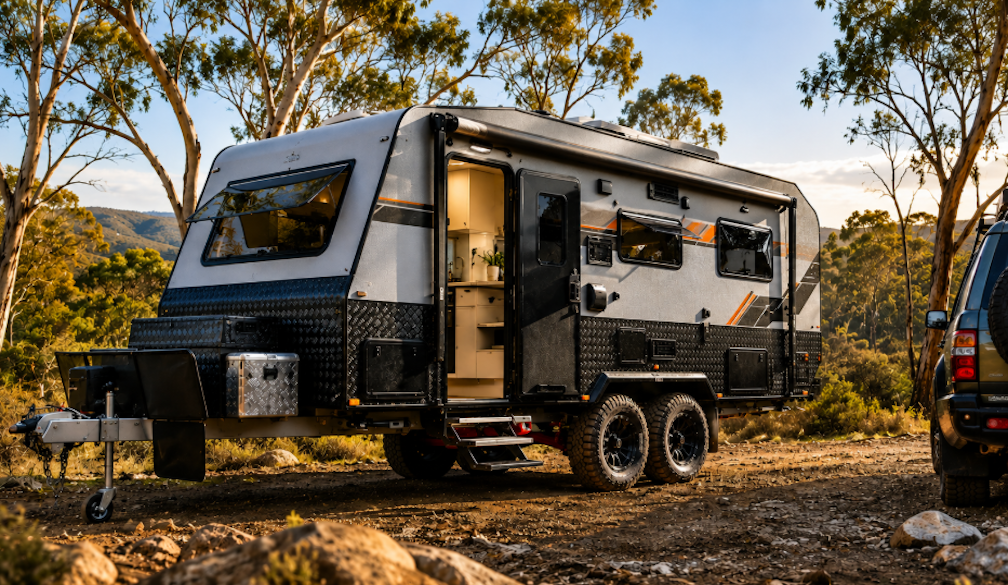
Australian off-road caravans are designed for travellers who want to go beyond sealed highways and established caravan parks. A standard touring caravan is perfect for bitumen roads and conventional holiday routes. On the other hand, off-road models are built with more demanding conditions in mind. Corrugations, gravel roads, uneven tracks, and remote camping can place very different demands on a caravan. That’s why the right setup needs to offer more than just a comfortable interior.
For travellers browsing new caravans for sale, understanding this difference makes the buying process much easier. Two caravans may look similarly comfortable from the outside, yet their construction, suspension, underbody protection, power systems, and storage solutions can make them very different on the road. The best option ultimately depends on where you want to travel, how often you expect to leave the bitumen, and how much independence you want while camping.
When researching caravans for sale, look beyond the floor plan. Ask what terrain and conditions each van is designed to handle. A spacious kitchen, a comfortable bed, and a modern entertainment system are certainly appealing, but they are only part of the picture. For travellers planning more adventurous trips, the following features can make a significant difference.
Built for More Than Sealed Roads
One of the biggest distinctions between an off-road caravan and a conventional touring model is its ability to cope with changing road conditions. Australian travel can involve long stretches of sealed highway followed by gravel roads, corrugations, or rough access tracks leading to a campsite.
Off-road caravans’ construction and running gear are developed with tougher travel conditions in mind. It allows travellers to venture beyond the usual caravan park circuit. This does not mean every off-road caravan should be taken onto extreme tracks, however. The level of capability still varies between models, so it is important to understand what a particular caravan is designed for before planning a remote trip.
Ground Clearance Can Open Up More Possibilities
Ground clearance is another practical consideration for travellers who enjoy exploring less-developed routes. Uneven tracks, dips, rocks, and changes in terrain can create challenges for a caravan with limited ground clearance.
A design that provides adequate clearance can make it easier to navigate rougher access roads while reducing the risk of the underbody contacting obstacles. It is particularly relevant for travellers who regularly camp away from established sites.
However, ground clearance should be considered alongside the caravan's overall dimensions, weight and towing characteristics. More clearance alone does not automatically make a caravan suitable for every type of terrain.
Storage Becomes More Important When You Travel Remotely
Remote travel often means carrying more of the things you would normally pick up along the way. Food, drinking water, recovery equipment, outdoor cooking gear, tools and recreational equipment can quickly take up available space. This makes practical storage an important part of caravan design.
Look for accessible compartments that let you organise heavier, frequently used items without unnecessarily cluttering the living area. External storage can also be useful for equipment that you would rather keep outside the main living space. A well-planned layout should make it possible to carry what you need without turning the caravan into an overcrowded storage box.
Off-Grid Capability Adds Freedom
Off-grid-focused caravans can incorporate systems such as solar panels, lithium batteries, battery management systems and inverters to support everyday electrical requirements. The exact setup varies between models. That’s why, travellers should consider their actual power consumption rather than assuming a larger system is automatically better.
Think about how you travel. Someone spending occasional nights away from powered sites may have very different requirements from a traveller planning extended stays in remote areas.
Choose the Adventures You Actually Want
There is no single caravan that will be perfect for every Australian traveller. Someone who mainly visits coastal caravan parks may have little need for the same level of off-road capability as someone who regularly heads into remote areas.
Before making a decision, think about your next few years of travel rather than only your next holiday. Consider the roads you want to explore, how long you usually stay away, who travels with you, and how much independence you want from established camping facilities.
A well-matched caravan can make spontaneous detours, remote campsites, and longer road trips far more enjoyable. More importantly, choosing based on your real travel needs means you are investing in features you will actually use.


