

Calm Marketing: Why You Don’t Need Flash to Win Online
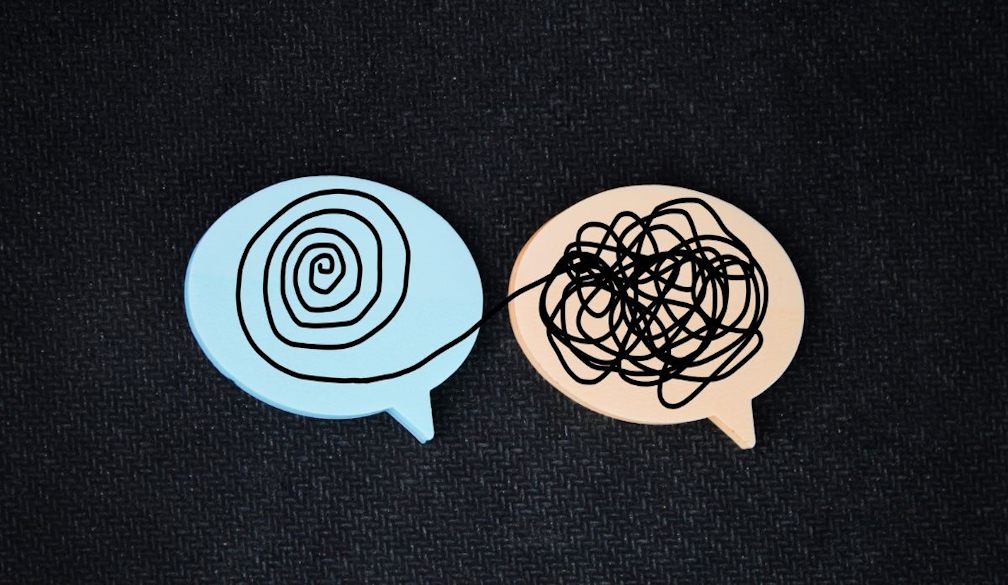
There is a growing trend happening across websites, social platforms and digital storefronts, and it goes by the name calm marketing. Rather than shouting for attention with flashing banners, countdown timers and aggressive pop ups, calm marketing invites people to slow down, breathe and actually engage with what a brand has to say. For businesses tired of the endless arms race for clicks, this approach offers a refreshing alternative, and it is proving to be more effective than many expected.
What Calm Marketing Actually Means
At its core, calm marketing is about reducing noise rather than adding to it. It favours clean layouts, generous white space, considered typography and messaging that respects the reader's time and attention. Instead of interrupting a visitor with autoplay videos or aggressive exit intent pop ups, a calm website lets content breathe and lets people move through it at their own pace.
This does not mean the marketing is passive or ineffective. Quite the opposite. Calm marketing still guides visitors toward a goal, whether that is signing up for a newsletter or learning about a service. The difference lies in how that guidance happens. It relies on clarity and trust building rather than urgency and pressure.
Online Spaces Have Become Quite Loud
Over the past decade, the internet has become increasingly cluttered. Every website seems to compete for the same fifteen seconds of attention, and many businesses responded by turning up the volume. Bright colours, bold claims and constant notifications became the norm. The result is a kind of digital fatigue, where visitors feel exhausted before they have even finished reading a page.
This fatigue has consequences. People are quicker to leave a site that feels overwhelming, and they are less likely to trust a brand that seems to be pushing too hard. Attention has become one of the scarcest resources online, and businesses that treat it carelessly often lose it altogether.
The Business Case for Slowing Down
It might seem counterintuitive that doing less could lead to better results, but a Bunadberg web design agency says there is solid reasoning behind it. When a website feels calm and considered, visitors tend to spend longer on the page. They read more of the content, form a clearer impression of the brand and are more likely to remember it later.
Trust also plays a significant role here. A cluttered, high-pressure website can feel like a used car lot, while a calm one feels more like a well-run showroom. People are naturally more comfortable making decisions when they do not feel rushed or manipulated. This is particularly true for service-based businesses, where the relationship with a client often matters as much as the initial sale.
Practical Ways to Apply Calm Marketing
Adopting a calmer approach does not require an entire rebrand. It often starts with small, deliberate choices. Reducing the number of competing calls to action on a single page is one simple step. Instead of asking visitors to buy, subscribe and follow all at once, a calmer site might focus on a single, clear next step.
Typography and spacing matter as well. Text that is cramped or surrounded by clutter is harder to read and creates a subtle sense of stress, even if the reader does not consciously notice it. Giving content room to breathe makes a page feel more welcoming and easier to digest.
Tone of voice is another important factor. Calm marketing tends to avoid exaggerated claims and manufactured urgency. Instead, it speaks plainly and honestly about what a product or service offers, trusting the reader to make their own informed decision.
A Shift Reflected in Local Design Choices
This shift is not limited to big cities or global brands. Many regional providers are noticing the same pattern among their own clients. Feedback gathered around Bundaberg web design projects has echoed this trend, with business owners increasingly requesting fewer distractions and a stronger focus on clarity over spectacle. It suggests that calm marketing is less a niche aesthetic and more a genuine response to how people now experience the internet.
Looking Ahead
As online spaces continue to grow busier, calm marketing offers a practical way for brands to stand out without adding to the noise. It reflects a broader recognition that attention is valuable and should be treated with respect rather than treated as something to be captured at any cost. For businesses willing to slow things down, the rewards often come in the form of stronger trust, better engagement and a more memorable presence in an increasingly crowded digital world.


