

7 Situations Where GPR Scanning Can Prevent Costly Construction Mistakes
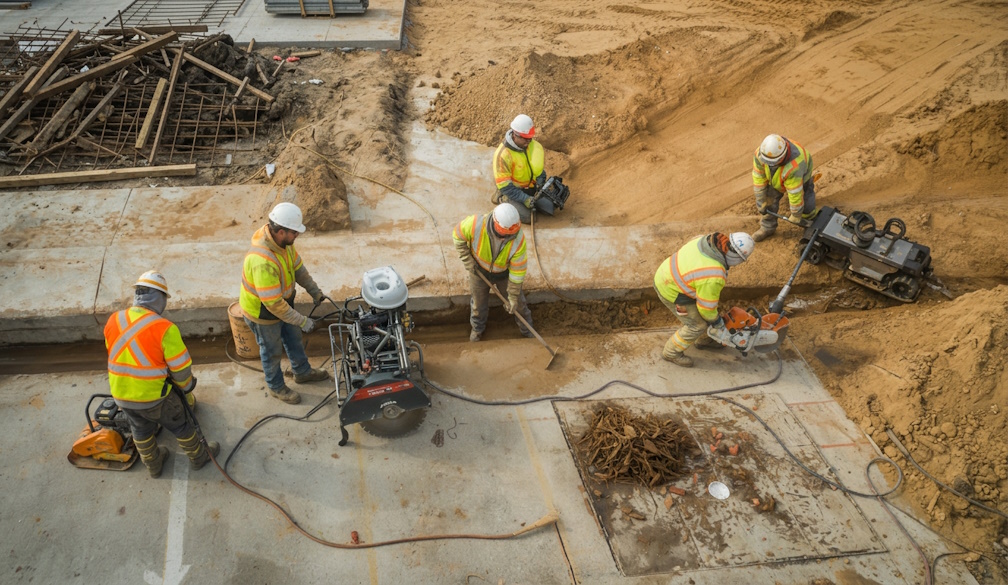
Construction projects often rely on accurate information before excavation, drilling, coring or demolition begins. While plans, utility records and visual inspections provide valuable guidance, they don't always reveal what's hidden beneath the surface. Unknown utilities, reinforcement, voids or buried structures can quickly turn a straightforward job into an expensive setback.
Using GPR Scanning before work begins helps identify subsurface hazards without damaging the ground or structure, allowing contractors to make informed decisions before equipment is put into operation.
Below are seven common situations where Ground Penetrating Radar (GPR) can help prevent costly construction mistakes.
1. Before Cutting or Coring Concrete
Concrete slabs and walls often contain reinforcing steel, post-tension cables, electrical conduits and plumbing services. Cutting into these elements without knowing their exact location can cause structural damage, expensive repairs and significant safety risks.
Scanning the area beforehand allows contractors to identify embedded objects so cutting and coring can be completed with greater confidence and accuracy.
2. Prior to Excavation or Trenching
Even after reviewing utility plans, underground services may not be located exactly where expected. Older infrastructure, undocumented installations and non-metallic services can all present unexpected hazards.
Before excavation begins, subsurface investigations help locate buried utilities, reducing the likelihood of striking electrical cables, water pipes, communications infrastructure or drainage systems that could delay the project.
3. During Building Renovations and Extensions
Renovation work often involves modifying existing slabs, foundations or structural elements where original construction documentation may be incomplete or unavailable.
Rather than relying on assumptions, scanning provides a clearer understanding of what exists beneath the surface before alterations are made. This is particularly valuable when extending buildings, installing new services or opening existing concrete.
4. When Investigating Suspected Voids
Voids beneath concrete slabs, pavements or road surfaces may develop due to erosion, poor compaction or water movement. Left undetected, these hidden spaces can eventually contribute to cracking, settlement or structural instability.
Ground Penetrating Radar provides a non-destructive method of identifying potential voids, allowing engineers and contractors to investigate further before problems become more severe.
5. Before Large Civil or Infrastructure Projects
Civil construction often involves working around complex networks of underground assets. Roads, bridges, car parks and public infrastructure may contain multiple layers of utilities and structural components that are difficult to identify from existing records alone.
Scanning before construction begins helps project teams better understand site conditions, supporting safer planning while reducing the likelihood of unexpected discoveries during excavation.
6. When Locating Non-Metallic Utilities
Traditional electromagnetic locating equipment performs well when tracing metallic services but has limitations when it comes to materials such as PVC, HDPE and other non-conductive pipes.
Because Ground Penetrating Radar detects changes within the subsurface rather than relying solely on conductivity, it can assist in locating many buried utilities that conventional cable locators may not identify on their own.
7. Before Purchasing or Redeveloping a Site
Property developers, councils and asset owners increasingly use subsurface investigations during due diligence before redevelopment projects commence.
Identifying buried structures, previous foundations, underground services or other hidden features early allows project teams to better understand potential constraints before finalising designs or committing to construction schedules.
How GPR Supports Better Project Planning
Every construction project relies on accurate information during the planning phase. Whether the work involves a residential renovation, commercial development or civil infrastructure upgrade, understanding what lies beneath the surface allows project teams to make informed decisions before construction begins.
Subsurface investigations can influence everything from excavation methods and equipment selection to service relocations and construction sequencing. Identifying potential obstacles early may also help reduce unnecessary disruption, minimise rework and improve communication between contractors, engineers and project managers.
Rather than reacting to unexpected discoveries once machinery is on site, project teams can plan with greater confidence, knowing that hidden services and structural elements have already been investigated where required.
Industries That Commonly Use GPR Scanning
Ground Penetrating Radar is used across a wide variety of industries because hidden underground features can affect almost any type of construction or maintenance project.
Residential builders often use subsurface investigations before extensions, swimming pools, retaining walls and major landscaping works. Commercial contractors may require scanning before drilling, coring or structural modifications within existing buildings.
Civil construction projects frequently rely on GPR when installing underground utilities, upgrading roads or preparing sites for new infrastructure. Engineers may also use the technology during structural investigations, pavement assessments or condition surveys where understanding subsurface conditions is essential.
Councils, utility providers, mining operations, hospitals and educational facilities also use GPR as part of asset management, maintenance planning and risk reduction programs.
Although every project has different requirements, the common objective remains the same — gaining a clearer understanding of existing conditions before disturbing the ground or concrete.
Choosing the Right Investigation Method
No single locating method is suitable for every project. The most effective approach depends on the type of structure, the materials involved and the information required before work begins.
For example, traditional electromagnetic cable locating equipment performs well when tracing conductive utilities but may have limitations when non-metallic pipes or buried voids are present. In other situations, multiple investigation methods may be used together to build a more complete picture of subsurface conditions.
Project complexity, expected target depth, site access and surrounding infrastructure can all influence which investigation method is most appropriate. Consulting with experienced specialists before construction begins helps ensure the chosen approach aligns with the project's objectives while providing the information needed to work safely and efficiently.
By selecting the appropriate investigation method early in the planning process, contractors can reduce uncertainty, minimise avoidable disruptions and help keep projects moving according to schedule.
Why Early Investigation Matters
Construction delays are often caused by unexpected site conditions rather than the planned work itself. Discovering hidden utilities or structural elements after excavation has begun can lead to redesigns, repair costs, project delays and additional safety risks.
Completing subsurface investigations before construction provides greater certainty during planning and allows contractors to proceed with a clearer understanding of existing conditions.
Final Thoughts
Every construction site is different, but one thing remains consistent: unexpected underground hazards can quickly become expensive problems.
Whether you're preparing for excavation, concrete cutting, renovations or large-scale infrastructure works, understanding what lies beneath the surface before work begins helps reduce risk, improve safety and support more efficient project delivery. Investing in early investigation is often far more cost-effective than dealing with avoidable damage once construction is underway.


