

Split Corrugated Conduit for Flexible Cable Protection
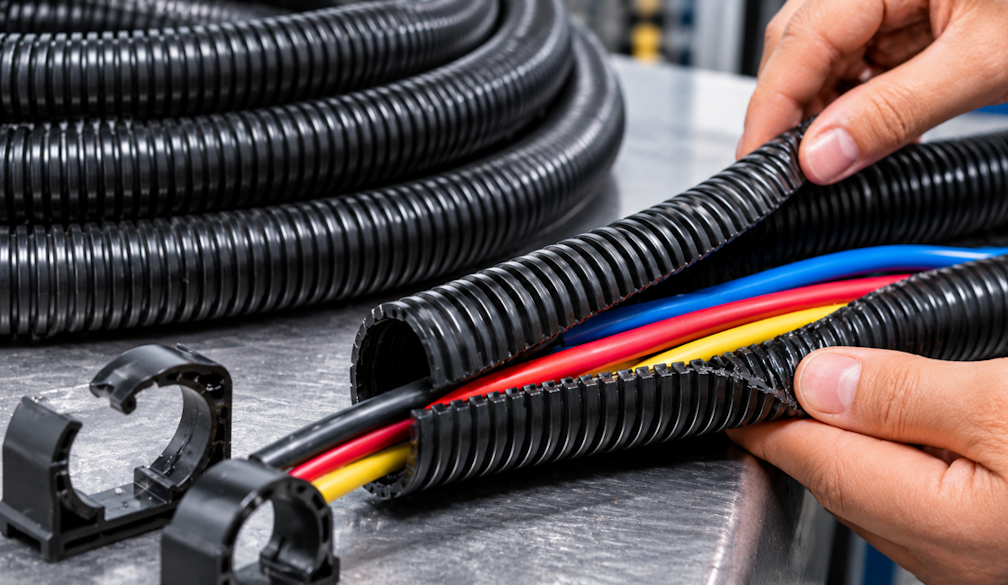
For wiring assemblies in vehicles, machinery and equipment, choosing suitable cable protection helps keep cables organised and reduces direct contact with surrounding parts. Mojak Plastics supplies plastic tubing and conduit options for different installation needs, and split corrugated conduit can be useful when cables need to be enclosed along their length without disconnecting them. Before choosing a product, consider the cable bundle, the available installation space and the conditions the conduit will face.
Solar conduit is another option to consider when planning cable routing for a solar installation. The right product depends on the cable type, route and expected exposure, so review the product specifications and relevant installation requirements before selecting a solution. A suitable choice should support orderly cable management without being treated as a substitute for correct wiring practices or professional installation where required.
When Split Corrugated Conduit Is Useful
A split conduit can be practical when connectors are already fitted at both ends or when existing wiring needs to be enclosed during maintenance or a retrofit. Its side opening allows cables to be placed inside along the length, which can make some jobs easier than threading cables through a closed tube. The corrugated profile may also help the conduit follow bends in a cable route, provided the bend radius remains suitable for the wiring.
Before ordering split corrugated conduit, check the diameter, material properties and intended operating conditions. Heat, chemicals, sunlight and mechanical stress can affect which product is suitable, so confirm the specifications rather than assuming every plastic conduit offers the same performance. The cable bundle should fit without being compressed, and the conduit should be secured in line with the supplier’s installation guidance.
Plan Cable Routing for Solar Installations
Solar wiring may run through outdoor areas where sunlight, moisture, temperature changes or physical contact need to be considered. Solar conduit can help organise and protect suitable cable runs, but it must be selected for the installation environment and the requirements of the solar system. Follow the supplier’s guidance and applicable installation standards, particularly where the installation has specific compliance requirements.
When planning a solar cable route, consider the distance, mounting method, exposure and access needed for future inspection. Confirm that the conduit is compatible with the cable type and intended use. A route that avoids sharp edges, hot surfaces and moving components can reduce avoidable wear, while appropriate support helps keep the installation neat over time. If unsure about product suitability, consult a qualified solar installer or relevant authority.
Choose the Correct Size and Material
Measure the cable bundle and allow for any expected additions, while avoiding overfilling the conduit. Product dimensions, flexibility and material details should be checked against the conditions in which the conduit will be used. This is particularly important where wiring may encounter elevated temperatures, chemicals or outdoor exposure. Selecting a suitable diameter can make installation easier and help avoid unnecessary strain on the cables.
Split corrugated conduit can support cable management in a range of assemblies, depending on its specifications. It should be used as part of a suitable wiring design and not as a substitute for correctly rated cables or safe installation practices. Check the manufacturer’s instructions before fitting, and confirm whether the product is intended for the environment in which it will be installed.
Keep Wiring Accessible for Maintenance
A tidy cable route can make inspections and repairs easier. Keep wiring away from sharp edges and moving parts, avoid tight bends, and secure the conduit at suitable intervals. Consider access points before installation so that future maintenance can be completed without unnecessary disruption. Labelling routes where appropriate can also help technicians identify wiring during later checks.
For wiring that is already connected, split corrugated conduit may help enclose the cable run without threading cables through a closed tube. In solar installations, solar conduit should be selected according to the specific exposure and installation requirements. In either case, follow the product instructions and check the installation periodically for wear, loosened supports or damage that could leave cables exposed.
Review Product Details Before Ordering
Before purchasing, confirm the required diameter, product type and intended application. Compare product specifications and seek clarification if a compatibility question remains. Choosing conduit based on the actual conditions of the installation is more reliable than selecting it by appearance alone. It is also useful to consider how the conduit will be inspected, cleaned or replaced during the life of the installation.
Mojak Plastics offers options for different cable-management requirements. Review the split corrugated conduit details for existing wiring assemblies and the Solar conduit product information for appropriate solar cable runs. Confirm suitability and installation requirements before placing an order, and make sure the selected product meets the needs of the specific job rather than relying on a general description.


