

Extending the term of parliament isn’t a terrible idea – it’s just one NZ has rejected twice already
- Written by The Conversation
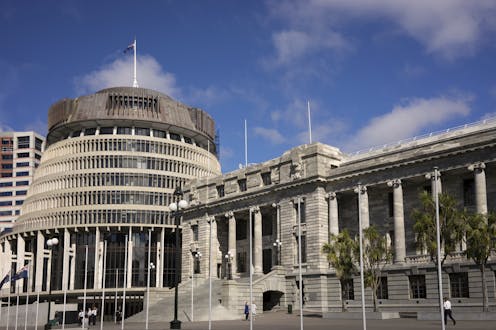
Among a host of other recommendations, the Independent Electoral Review has proposed a referendum on extending the term of parliament to four years (from the current three). I’ll admit from the outset to being torn over the issue – the policy wonk in me says four, the election junkie says three.
But there’s another problem. Even if it is a sound idea, why hold a referendum when two past referendums have already rejected the proposal? Parliament could make the change alone, but MPs would likely face a backlash from the people wanting a referendum.
Those previous polls in 1967 and 1990 were both defeated by more than two-thirds majorities. Without a strong sense of a public desire for change, it’s hard to see a third result being any different.
In fact, one can almost hear the social media arguments against it already: “We have more important things to think about”, “They just want to keep their noses in the trough for longer”. Given current levels of distrust in politics, getting this across the line feels like a stretch.
But we’re still at the initial review stage. Public consultation is open until July 17, and a final report goes to the government in November, after the election. Public opinion could still shift in the meantime.
Time to govern
There are some good practical reasons for extending the parliamentary term. For starters, by the time a new government is sworn in after an election, it’s often nearly Christmas and the nation shuts down and heads to the beach.
Ideally, a new government should get cracking with making policy and legislation in its first and second years. But in the third, anticipation of the next election changes the priorities and the focus.
Read more: Lowering New Zealand's voting age to 16 would be good for young people – and good for democracy
To get a new law from a first cabinet paper to an act of parliament can take a couple of years – longer if there’s a lot of argument. So we’re not allowing much time for governments to really get things done.
When we account for the downtime before and after elections, they’re left with roughly two years of action out of every three. That slack could be reduced from roughly one-third to one-quarter if we moved to a four-year term.
On the other hand, many New Zealanders like having their say and holding their representatives to account through the ballot box. That’s not an argument for even shorter terms, but it is certainly a persuasive argument for the status quo.
Winners and losers
So, if not through a referendum, how would we change the length of the parliamentary term? It is possible if parliament were to pass an amendment to the Electoral Act. That requires a 75% majority.
Given Labour’s Jacinda Ardern and National’s Judith Collins both supported the idea before the 2020 election, that super-majority may well exist. That’s bolstered by the fact the ACT Party also supports a four-year term.
And yet ACT leader David Seymour was quick to rubbish the whole electoral review report. Before most people had even had a chance to read it, he’d declared it a “waste of everyone’s time” and “a major left-wing beat-up that doesn’t solve a single urgent problem that New Zealanders face”.
One explanation for such a negative reaction may lie in one of the report’s other recommendations, which is to eliminate the “coat-tailing” rule. This allows a party that wins at least one electorate seat to bring more MPs into the house, proportional to their party vote even if it’s below the 5% threshold.
The rule has undeniably created inequities. But ACT itself has benefited from it, notably in 2008, when it received just 3.65% of the party vote but took five seats on the back of winning the Epsom electorate.
Read more: Lobbying regulations are vital to any well functioning democracy – it's time NZ got some
Self-interest and stalemate
It’s perhaps inevitable that partisan political self-interest will emerge whenever these electoral reform proposals are made. Those who stand directly to win or lose become the loudest voices in the subsequent debate. The issue itself is politicised before the average voter has even taken in the details.
And, let’s remember, extending the parliamentary term is only one of more than 100 draft recommendations, including lowering the party vote threshold from 5% to 3.5%, and lowering the age of eligibility to vote from 18 to 16. The review process can mean difficult technical, legal and constitutional debates and proposals become bogged down in politics as usual.
Much like the 2012 Electoral Commission review, from which no substantive recommendation for change was ever adopted (the present review repeats some of them), the unintended consequence may be another round of talk, but little action. If there’s a change of government after October’s election, this review is unlikely to go anywhere, other than into the archives. That would be a shame.
New Zealand’s electoral and parliamentary systems aren’t perfect, but no such system is. It may be asking a bit much at present, but some consensus about making them work more democratically and effectively would still be a good thing.


