

Why Retail Cleaning Plays a Key Role in Customer Experience
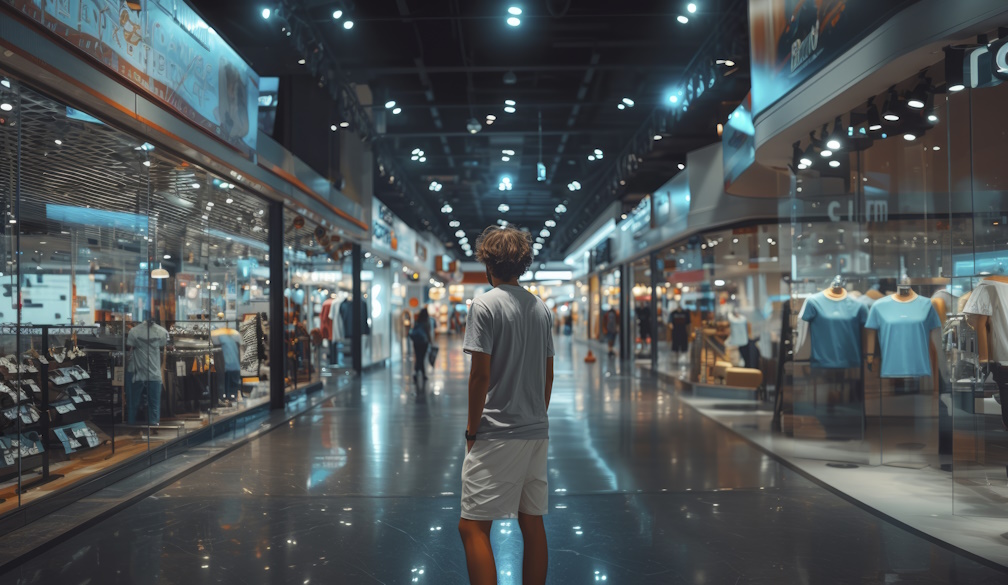
In retail environments, cleanliness directly shapes how customers perceive a brand. Retail cleaning is not just about appearance but about creating a space where shoppers feel comfortable, confident, and welcome. From small boutiques to large shopping centres, a clean retail environment supports positive first impressions and encourages customers to stay longer and return more often.
The Impact of Cleanliness on First Impressions
The moment a customer enters a retail store, they begin forming opinions. Floors, shelves, counters, and fitting rooms all contribute to how professional and trustworthy a business appears. A clean store signals attention to detail and care, while a poorly maintained space can suggest neglect, even if the products themselves are high quality.
First impressions influence purchasing behaviour. Customers are more likely to browse, engage with staff, and make purchases when the environment feels fresh and organised. Cleanliness creates a subtle sense of reassurance, allowing shoppers to focus on products rather than distractions.
Building Trust and Brand Credibility
Trust is essential in retail, particularly when customers are handling products, trying on clothing, or spending extended time in-store. A consistently clean environment communicates reliability and professionalism. Customers are more comfortable touching products and using shared spaces when hygiene is clearly prioritised.
Brand credibility grows when cleanliness standards are maintained consistently. Shoppers who associate a store with cleanliness are more likely to return and recommend it to others. Over time, this reputation becomes part of the brand identity, supporting long-term success.
Enhancing Customer Comfort and Wellbeing
Retail spaces are designed to be inviting, and cleanliness plays a major role in customer comfort. Dust-free shelves, clean floors, and well-maintained restrooms contribute to a pleasant shopping experience. When customers feel comfortable, they tend to spend more time exploring products, increasing the likelihood of sales.
Cleanliness also supports health and well-being. Retail environments experience high foot traffic, making them vulnerable to the spread of germs. Regular cleaning helps reduce this risk, creating a safer environment for both customers and staff.
Supporting Staff Performance and Morale
Employees perform better in clean, organised environments. When workspaces are tidy and hygienic, staff can focus on customer service rather than dealing with clutter or distractions. This improved focus leads to better interactions and more efficient operations.
A clean store also boosts staff morale. Employees feel more valued when their workplace is well-maintained, which can improve job satisfaction and reduce turnover. Positive staff attitudes often translate into better customer experiences.
Maintaining Product Presentation and Quality
Product presentation is central to retail success. Dust, stains, or clutter can diminish the appeal of even the best products. Regular cleaning ensures displays remain attractive and aligned with brand standards. Clean shelving and fixtures allow products to stand out and look their best.
In some retail sectors, cleanliness also protects product quality. Food items, cosmetics, and personal care products require hygienic environments to maintain safety and freshness. Proper cleaning routines help prevent contamination and preserve product integrity.
Adapting Cleaning Practices to Retail Operations
Retail cleaning requires flexibility to align with store hours and customer flow. Cleaning schedules must minimise disruption while maintaining high standards. Early mornings, evenings, or low-traffic periods are often used to ensure thorough cleaning without impacting the shopping experience.
Different areas of a retail store require different cleaning approaches. Sales floors, fitting rooms, storage areas, and staff facilities all have unique needs. Tailored cleaning practices ensure each area receives appropriate attention, supporting overall cleanliness without unnecessary downtime.
Ensuring Compliance and Safety Standards
Retail businesses must meet health and safety standards that protect customers and employees. Clean floors reduce slip hazards, while sanitised surfaces help prevent the spread of illness. Maintaining these standards supports compliance with regulations and reduces liability risks.
Clear documentation of cleaning routines also helps demonstrate commitment to safety. This proactive approach not only protects the business legally but also reinforces trust with customers who expect safe and hygienic shopping environments.
The Role of Consistency in Retail Environments
Consistency is crucial in retail cleaning. Customers notice when standards fluctuate, and inconsistency can damage trust. Regular, thorough cleaning ensures that every visit meets expectations, regardless of time or day.
Consistent cleanliness also simplifies operations. When routines are well established, staff know what to expect and how to maintain standards throughout the day. This reliability supports smoother operations and a more polished brand image.
Long-Term Benefits for Retail Businesses
Investing in retail cleaning delivers long-term benefits beyond immediate appearance. Clean environments support customer loyalty, positive reviews, and repeat business. They also protect assets such as flooring, fixtures, and displays, extending their lifespan and reducing maintenance costs.
Over time, these benefits contribute to stronger financial performance. Clean, welcoming stores attract more customers and encourage longer visits, directly supporting sales growth and brand reputation.
A Foundation for Positive Retail Experiences
Retail cleaning is a foundational element of successful retail operations. It influences how customers feel, how staff perform, and how a brand is perceived. By maintaining high cleaning standards, retailers create environments that support comfort, trust, and engagement.
In a competitive market, the quality of the in-store experience matters more than ever. Cleanliness is not an afterthought but a strategic investment that shapes customer perceptions and drives long-term success.


