

Steel Cutting Services: Precision That Shapes Modern Construction
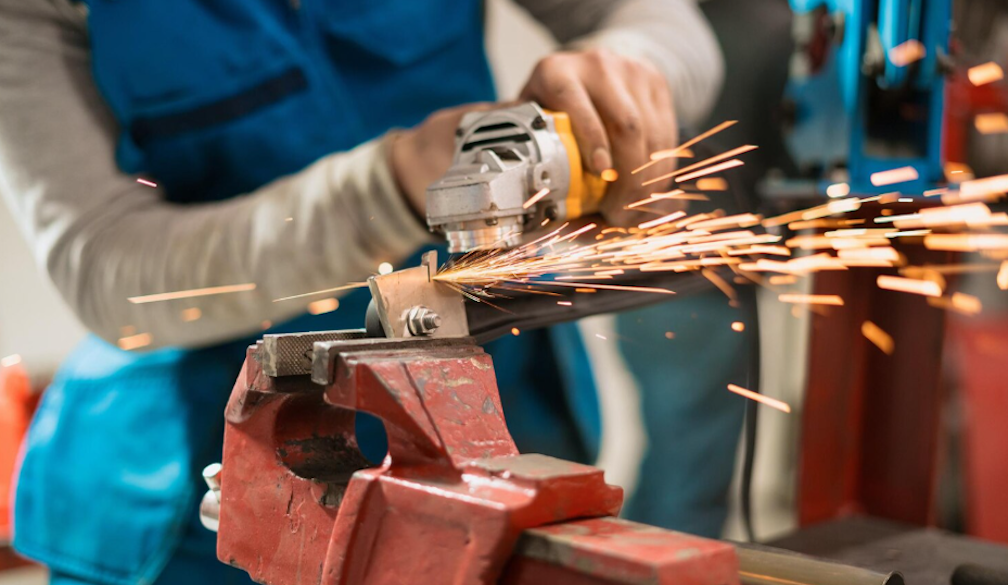
In today’s construction, manufacturing, and fabrication environments, steel cutting services play a vital role in turning raw steel into practical, usable components. From large-scale infrastructure projects to bespoke architectural features, the accuracy and quality of steel cutting directly influence the strength, safety, and finish of the final outcome. Steel may begin as a flat plate or heavy section, but through professional cutting processes, it becomes beams, brackets, frames, and detailed parts that fit seamlessly into complex designs.
Steel cutting is no longer a rough, approximate task. Modern projects demand tight tolerances, clean edges, and consistent repeatability. Professional service providers combine skilled operators with advanced machinery to deliver results that manual cutting simply cannot achieve. This blend of expertise and technology ensures steel components are ready for fabrication, welding, or installation without unnecessary delays or rework.
Why Precision Matters in Steel Cutting
Precision is the backbone of successful steel projects. Even small inaccuracies in cutting can cause alignment issues, structural weaknesses, or costly on-site modifications. Professional steel cutting ensures that every piece is produced to exact specifications, reducing material waste and improving overall efficiency.
Accurate cutting also enhances safety. Steel components that fit correctly reduce stress points and improve load distribution, which is critical in structural applications. In manufacturing environments, precisely cut steel parts integrate smoothly into assemblies, allowing machinery and systems to function as intended.
Consistency is another key advantage. When multiple components are required, uniformity becomes essential. Professional cutting services deliver repeatable results, ensuring each piece matches the next, whether the job involves ten parts or ten thousand.
Common Steel Cutting Methods Explained
Steel cutting services utilise several methods depending on material thickness, complexity, and finish requirements. Plasma cutting is widely used for its speed and versatility. It is ideal for cutting thick steel plates while maintaining reasonable accuracy and clean edges. Laser cutting, on the other hand, excels in producing intricate shapes and fine details, particularly on thinner materials. Its precision makes it a popular choice for architectural and decorative applications.
Waterjet cutting offers a different advantage by using high-pressure water mixed with abrasive materials. This method avoids heat distortion, making it suitable for applications where thermal impact must be minimised. Each technique has its strengths, and professional providers assess project needs carefully before selecting the most suitable approach.
Industries That Rely on Steel Cutting Services
Steel cutting supports a wide range of industries, each with unique demands. In construction, cut steel forms the backbone of buildings, bridges, and industrial facilities. Fabricators rely on accurately cut components to assemble frames, supports, and reinforcements efficiently.
The manufacturing sector depends heavily on steel cutting for machinery parts, enclosures, and structural elements. Automotive and transport industries require precision-cut steel for frames, brackets, and protective components. Even the agricultural sector uses steel cutting for equipment parts and infrastructure that must withstand demanding conditions.
Architectural and design industries also benefit from professional steel cutting. Decorative panels, screens, and custom features often require detailed cuts and consistent finishes. In these applications, accuracy is as important aesthetically as it is structurally.
Benefits of Outsourcing Steel Cutting
Outsourcing steel cutting offers significant advantages over in-house processing. Professional services invest in advanced machinery and skilled operators, allowing clients to access high-quality results without the overhead costs of equipment purchase and maintenance. This approach also saves time, as projects can progress without delays caused by equipment limitations or operator inexperience.
Outsourced cutting services provide flexibility. Whether a project requires a single custom piece or a large production run, professional providers can scale their services accordingly. This adaptability is particularly valuable for businesses that experience fluctuating workloads or handle diverse project types.
Quality assurance is another important benefit. Reputable steel cutting services follow strict quality control procedures, ensuring each cut meets specifications. This reduces the risk of defects and rework, ultimately saving time and resources.
Material Considerations in Steel Cutting
Different steel grades and thicknesses require tailored cutting approaches. Mild steel is commonly used due to its versatility and ease of cutting, while high-strength or alloy steels may demand specialised techniques to achieve clean results. Thickness also plays a role, as heavier sections require more powerful equipment and careful handling to maintain accuracy.
Surface finish requirements influence the choice of cutting method as well. Some projects prioritise smooth edges ready for immediate use, while others allow for secondary processing such as grinding or welding. Professional steel cutting services take these factors into account, delivering results that align with the intended application.
Efficiency and Cost Control Through Professional Cutting
Efficient steel cutting contributes directly to cost control. Accurate cuts reduce material waste, which can significantly impact budgets when working with large quantities of steel. Professional services also optimise cutting layouts, maximising material usage and minimising offcuts.
Time savings are equally important. Fast turnaround times allow projects to stay on schedule, avoiding delays that can ripple through construction or manufacturing timelines. By relying on experienced providers, businesses can focus on core activities while trusting that their steel components will be delivered accurately and on time.
Choosing the Right Steel Cutting Partner
Selecting the right steel cutting service provider is essential for project success. Experience and technical capability should be top priorities. A provider with a proven track record across various industries is better equipped to handle diverse requirements and unexpected challenges.
Equipment quality is another key consideration. Modern machinery ensures higher accuracy, faster processing, and improved consistency. Communication also plays a vital role. Clear discussions about specifications, tolerances, and timelines help ensure the final output meets expectations.
Reliable steel cutting partners act as collaborators rather than just suppliers. They offer insights into material selection, cutting methods, and design considerations that can improve outcomes and reduce costs.
The Future of Steel Cutting Services
As technology continues to evolve, steel cutting services are becoming even more precise and efficient. Advancements in automation and digital controls allow for complex designs to be executed with remarkable accuracy. These developments open new possibilities for architects, engineers, and manufacturers seeking innovative steel solutions.
Sustainability is also gaining importance. Efficient cutting processes reduce waste and energy consumption, supporting environmentally responsible practices. As industries move toward greener operations, professional steel cutting services will play a role in achieving these goals through smarter material usage and advanced technologies.
Steel cutting remains a foundational process across countless applications. With the right expertise, equipment, and attention to detail, professional services transform raw steel into components that support modern infrastructure, industry, and design with strength and precision.


