

Is it finally time to ban junk food advertising? A new bill could improve kids' health
- Written by The Conversation
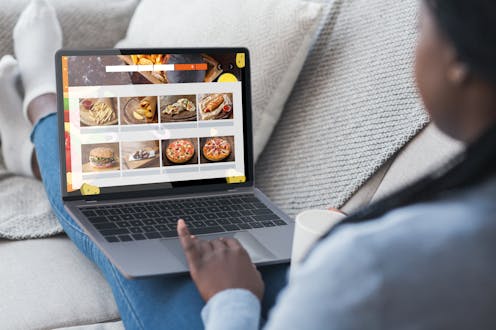
Today independent MP and former GP Sophie Scamps will introduce a bill into federal parliament that would restrict junk food advertisements aimed at children.
The bill would target advertising for unhealthy foods Australia’s health ministers have previously defined, including sugar-sweetened drinks, confectionary and unhealthy fast food meals. Advertising for these foods and drinks would be banned on television, radio and streaming services from 6am to 9.30pm, and banned altogether online and on social media. The proposal highlights one of our biggest health challenges and does something about it.
The share of Australian adults who are overweight or obese has tripled since 1980. Today, about a quarter of Australian children are overweight or obese. The consequences are serious. Obesity increases the risk of a range of illnesses, such as diabetes, cancer, and heart disease, setting children up to develop chronic disease. The health care costs of obesity run into the billions of dollars each year, not to mention all the years of life lived with illness and disability, or lost to early death.
This isn’t the first time a ban on junk food advertising has been floated. But there is more reason than ever to make it happen.
Why now?
Unhealthy diets are the main cause of Australia’s obesity epidemic, and restricting advertising for unhealthy foods could help improve what we eat.
That’s why experts have been calling for advertising restrictions for years. Back in 2009, the Australian National Preventive Health Agency recommended them, and they have long been recommended by the World Health Organization. They’re supported by evidence that advertising influences children’s diets and preferences, driving cravings and feelings of hunger.
Even without this evidence, it would be a safe assumption that junk food advertising works. Otherwise, companies wouldn’t spend money on it, and they certainly do.
One study found Australian advertising on sugary drinks alone costs nearly five times more than government campaigns promoting healthy eating, physical activity and obesity prevention. And companies carefully design advertising to entice children. Their strategies include promotional characters, gifts, and games and shifting advertising online to follow changing viewing habits.
Most parents don’t need any persuading to know advertising works, having seen younger children employ “pester power” and older children spend their pocket money on unhealthy options. That’s probably one reason two thirds of Australians support bans on junk food advertising during children’s viewing hours.
Read more: Are you living in a food desert? These maps suggest it can make a big difference to your health
What’s taking so long?
So why haven’t governments acted? When health bodies started calling for advertising restrictions nearly 15 years ago, the industry promptly came up with a plan of its own. Optional codes of conduct were drawn up for “responsible advertising and marketing to children”. But there are significant loopholes and gaps in these codes, which are voluntary, narrow, vague, and consequence-free.
Predictably, self-regulation hasn’t reduced junk food advertising to children. While countries with mandatory policies have seen junk food consumption fall, it has increased in countries where the industry sets the rules.
In the meantime, Australia and its children have been left behind. Since Quebec in Canada introduced the first ban back in 1980, more than a dozen countries around the world have followed and more are planning to. The proposals being debated in our parliament are modelled on policies adopted in the United Kingdom in 2021.
This isn’t the only area where Australia has fallen behind when it comes to setting sensible food rules. We are not among the 43 countries with rules to reduce trans-fats, which cause cardiovascular disease, or one of the 85 countries with a tax on sugar-sweetened beverages, which are linked to diabetes.
Our policies to reduce salt consumption and improve food labelling are weaker than those in leading countries too.
Read more: How to save $50 off your food bill and still eat tasty, nutritious meals
It’s time to make healthy choices easier
Unhealthy diets need to improve, but the simple answer of blaming the individual is the wrong one. Unhealthy food choices are shaped by things like time pressures, cost of living pressures, the availability of fresh food and the marketing adults and children are constantly bombarded with.
That’s why governments need to make healthy choices cheaper, more convenient and more appealing, so that they can compete with unhealthy options. Taking advertising aimed at children out of the equation would be a good first step.


