

Current cultural citizens: the importance of creating spaces in art galleries for young people
- Written by The Conversation
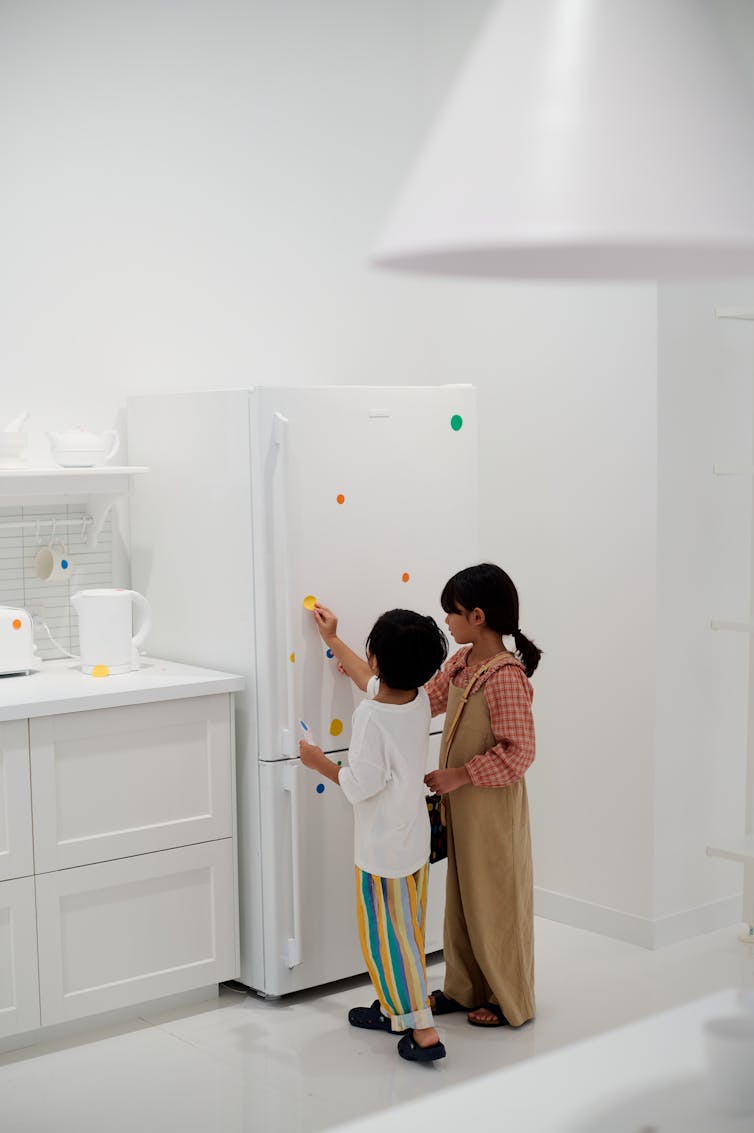
Galleries and art museums can be intimidating and alienating even for adults. Imagine it from a child’s point of view. Stern security guards in uniforms stationed the doors, bags checked, snacks banned and people hushed. It’s no wonder that kids groan when an excursion to the gallery comes up.
An increasing number of galleries are rethinking their approach, asking what it takes to be welcoming and engaging for the younger generation. Children should be welcomed and visible in gallery spaces. Their experiences now shape the citizens they will become in the future. Viewing art helps develop their identity and creativity, and a more nuanced understanding of the world.
The first step in making change is to recognise that children are current and active cultural citizens who can offer valuable perspectives, ideas and youthful energy. Through thoughtful design and programming, the younger generation is told their presence in the gallery is valued.
Here are some ways galleries are rising to the challenge and making children more welcome – and more valued – in our cultural spaces.
Setting the tone
The entrance to a gallery sets the tone for a young visitor. Are they greeted warmly and made to feel welcome, or does their arrival feel like an intrusion?
Some simple adjustments such as less intimidating bag checks, clear signage, and designated stroller parking create a more welcoming environment. Replacing uniformed security guards with friendly guides and training reception staff to acknowledge and engage with young visitors make a huge difference.

Inciting curiosity and interaction at the front door is another way to invite children into the space. Displaying eye-catching and intriguing sculptural works at the entry or in the foyer builds a sense of anticipation and interest.
The iconic water wall at the National Gallery of Victoria signals to children that there are wonders to touch and explore inside.
Children don’t come alone
Children come to galleries with parents, siblings, schools or community groups. Galleries that consider how these varied age groups move through the space can greatly enhance the overall experience.
Programming designed with the whole family in mind means parents and kids can share cultural experiences. Well designed workshops, interactive exhibits and events appeal to mixed aged groups.

The Art Gallery of New South Wales regularly stages all-ages concerts with popular DJs and live music, building positive associations with the gallery for the whole family.
Incorporating a variety of spaces and experiences extend the duration and frequency of family visits. Some children need low sensory sessions with reduced stimuli to enjoy their visit. Others can use adjacent outdoor spaces and robust sculpture gardens to burn off excess energy, share lunch or even splash in some pink water.
Is there a place for me?
Does your local gallery have a dedicated children’s gallery?
These spaces are designed with kids in mind, engaging the senses and creating participatory ways of experiencing art. The way children encounter the work helps young children learn about the diverse and creative approaches and perspectives of artists in an engaging context.
The interactive experiences and programming mean children can explore their imagination and creativity and form a personal connections with the arts.
What about the older kids? Can they see themselves in the gallery? Teens need to connect, collaborate and to be included in cultural narratives in ways that are relevant to them.
Programs tailored for teens, such as workshops or art-making sessions, move beyond passive observation and encourage self expression and participation.
 Installation view of Top Arts 2024 on display at The Ian Potter Centre: NGV Australia from 14 March to 14 July.
Photo: Kate Shanasy
Ambitious teen programs, like the out-of-hours teen parties in the National Gallery of Victoria or the youth council at the National Gallery of Australia, empower young people to interact with art and the institution in ways that are meaningful for them.
Exhibiting the best artwork from the year 12 graduating students is another effective way to demonstrate to teens their perspectives and presence matters. Seeing creative work by their age group displayed in a gallery builds confidence and demonstrates to older adults how much the younger generation have to contribute.
Growing lifelong learners
Galleries are unique learning environments, able to engage with and activate the school curriculum and develop essential skills like social and emotional capabilities and creative and critical thinking skills.
New institutions can consider how to meaningfully engage with children in the design phase, but even existing galleries can reconfigure and retrofit their spaces and exhibitions to enable kids to learn.
 Neo at the Art Gallery of South Australia, Adelaide.
Photo: Sam Roberts
Specifically designed studios, creative technology, classrooms and presentation areas open the doors to cultural exploration. Positive exposure fosters a sense of stewardship ensuring that future generations value and support the arts.
Galleries are doing a great job welcoming kids but even more can be done. By embracing children as current cultural citizens, galleries can create a more inclusive, creative, and culturally aware society.
Intentionally designed spaces and programming ensure that children are not only welcomed but inspired to return – again and again – throughout their lives.


