

Discovering new NZ music in the streaming age is getting harder – what’s the future for local artists?
- Written by The Conversation
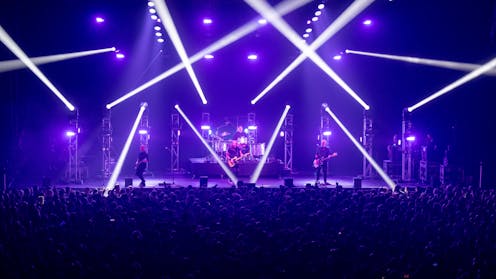
New Zealand Music Month turned 25 this year, and there’s been plenty to celebrate – whether it be Mokotron’s Taite Prize-winning Waerea, Lorde’s recent return (though not to New Zealand – yet), or the fact that live performance revenues post-COVID have been strong.
But for new and emerging local artists, Music Month also highlights a lack of visibility on streaming services and commercial radio, which increasingly favour already famous artists, including ones whose heydays were decades ago.
During a month when music fans have been encouraged to stream local, see local and buy local, so far the only homegrown artists to appear in this week’s New Zealand Top 40 Singles chart are Lorde and K-pop star Rosé.
Recently published data shows that as little as 9% of New Zealand streaming, downloads and physical sales revenue is going to local artists. Despite this, according to NZ on Air, 49% of New Zealanders stream music every day. In fact streaming has recently surpassed radio as the main way audiences discover new music, with growing influence from TikTok and Instagram.
On Spotify, which approximately one in three New Zealanders use every day, only one local track – Corella’s Blue Eyed Māori – featured in the 2024 top-50 year-end local playlist. Streaming increasingly privileges and skews towards established releases from well-known artists, and other artists have little control over social media algorithms.
While radio remains relevant, with 46% of New Zealanders listening daily, only two nationwide commercial radio stations played more than 20% local music in 2024.
Structural music industry changes
The Official Aotearoa Music Charts’ End of Year Top 50 Singles provide another useful indication of local music market share. These charts draw on a wide range of sales and streaming data, and aim to provide an authoritative snapshot of what New Zealanders were buying and listening to in that year.
Since COVID, we have seen a sharp decline in local artists featuring in these charts. In 2024, the only New Zealander to feature was Corella’s Blue Eyed Māori, and only four New Zealand albums featured in the End of Year Top 50 Albums, three of which were compilations primarily made up of earlier releases.

While COVID lockdowns and border closures hugely disrupted the live music sector, we also saw audiences engaging with a lot more local music. Summer festival Rhythm and Vines sold out an all Kiwi lineup, and the amount of local music on radio reached its highest peak since records began.
This suggests visibility, discoverability and chart success have little to do with the amount or quality of local music being produced. Instead, they are the result of structural changes in the music industries.
Internationally, this has been linked to the market consolidation and dominance of a small number of big players at the expense of local artists, industry and infrastructure.
What can be done?
As global platforms such as Spotify and TikTok have increased their influence on audiences’ ability to discover New Zealand’s music, it’s hard to see a future where business-as-usual will improve the situation for local artists and audiences.
There are potential solutions, however. Australia has committed to imposing local content quotas on international streamers, and Canada has instituted a revenue sharing system between global streamers and broadcasters.
Unlike similar markets, such as Australia and Norway, New Zealand lacks a strong public youth broadcaster. Dedicated investment in this area could help support targeted strategies to promote local music.
Changes in the way local music is funded and nurtured could also help. The government currently funds NZ on Air and the Music Commission, but they have different objectives and obligations. Merging them might streamline decision making and recognise the interconnectedness of the live and recorded music sectors.
If steps aren’t taken soon, New Zealand will struggle to support a thriving local music economy, and New Zealanders will continue to miss out on hearing themselves in the music they listen to.
With Music Month drawing to a close, there needs to be a commitment to structural changes that, over time, will see the development of a year-round celebration of New Zealand music.


