

New Barbie with type 1 diabetes could help kids with the condition feel seen – and help others learn
- Written by The Conversation
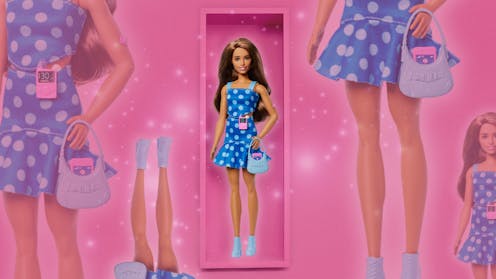
Barbie has done many things since she first appeared in 1959. She’s been an astronaut, a doctor, a president and even a palaeontologist. Now, in 2025, Barbie is something else: a woman with type 1 diabetes.
Mattel’s latest Barbie was recently launched by Lila Moss, a British model who lives with type 1 diabetes. The doll comes with a visible insulin pump and a continuous glucose monitor, devices many people with diabetes rely on.
To some people, this might seem like just another version of the doll. But to kids living with type 1 diabetes – especially young girls – it’s a big deal. This new Barbie is not just a toy. It’s about being seen.
What is type 1 diabetes?
Type 1 diabetes is a condition where the body stops making insulin, the hormone that helps control blood sugar levels.
It’s not caused by lifestyle or diet. It’s an autoimmune condition (a disorder where the immune system mistakenly attacks healthy cells) and often starts in childhood.
People with type 1 diabetes need to take insulin every day, often through multiple injections or an insulin pump. They also need to check their blood sugar regularly, using finger pricks or a continuous glucose monitor worn on the skin (usually the upper arm).
Although type 1 diabetes can be effectively managed, there is no cure.
Millions of people across the world live with this condition, and numbers are on the rise. In Australia, type 1 diabetes affects more than 13,000 children and teens, while in New Zealand, around 2,500 children under 18 have type 1 diabetes. Globally, 1.8 million young people are affected.
Managing type 1 diabetes isn’t easy for children
Young people with type 1 diabetes must think about their condition every day – at school, during sports, at sleepovers and even while playing. They may have to stop what they’re doing and check their blood sugar levels. It can feel isolating and frustrating.
Stigma is a big issue for children and young people with type 1 diabetes. Some young people feel embarrassed using their insulin pumps or checking their blood sugar in public. One study found pre-teens with diabetes sometimes felt they received unwanted attention when using devices such as insulin pumps and glucose monitors.
Stigma can make young people less likely to take care of their diabetes, which can create problems for their health.
Seeing a Barbie with an insulin pump and glucose monitor could make a significant difference.
Children form their sense of identity early, and toys play a surprisingly powerful role in that process. While children with type 1 diabetes can often feel different from their peers, toys can help normalise their experience and reduce the sense of isolation that can come with managing a chronic condition.
Research shows toys and media such as books and TV shows reflecting children’s experiences can boost self-esteem, reduce stigma and improve emotional wellbeing.
For girls especially, Barbie is more than a doll. She represents what is often perceived to be admired or desirable and this can influence how girls perceive their own bodies. A Barbie with a glucose monitor and insulin pump sends a clear message: this is part of real life. You’re not alone.
That kind of visibility is empowering. It tells children their condition doesn’t define them or limit their potential. It also helps challenge outdated stereotypes about illness and disability.
Some may worry a doll with a medical condition might make playtime too serious or scary. But in reality, play is how kids learn about the world. Toys that reflect real life – including health issues – can help children process emotions, ask questions, reduce fear and feel more in control.
Read more: Whatever happened to Barbie's feet? Podiatrists studied 2,750 dolls to find out
A broader shift towards inclusivity and representation
Mattel’s new Barbie shows diabetes and the devices needed to manage the condition in a positive, everyday way, and that matters. It can start conversations and help kids without diabetes learn what those devices are and why someone wears them. It builds understanding early.
Mattel has added to its range of Barbies in recent years to showcase the beauty that everyone has. There are now Barbies with a wide range of skin tones, hair textures, body types and disabilities – including dolls with hearing aids, vitiligo (loss of skin pigmentation) and wheelchairs. The diabetes Barbie is part of this broader shift toward inclusivity and should be applauded.
Every child should be able to find toys that reflect who they are, and the people they love.
This Barbie won’t make diabetes go away. But she might help a child feel more seen, more confident, more like their peers. She might help a classmate understand that a glucose monitor isn’t scary – it’s just something some people need. She might make a school nurse’s job easier when explaining to teachers or students how to support a student with diabetes.
Living with type 1 diabetes as a child is tough. Anything that helps kids feel a little more included, and a little less different, is worth celebrating. A doll might seem small. But to the right child, at the right moment, it could mean everything.


