

Uranium prices are soaring, and Australia's hoary old nuclear debate is back in the headlines. Here's what it all means
- Written by The Conversation
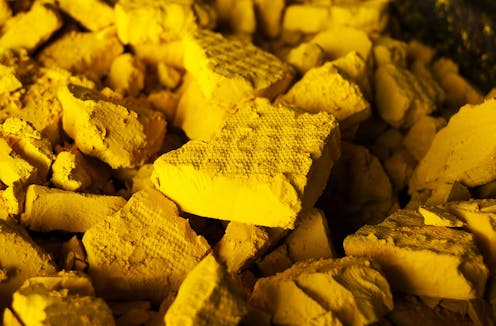
Last week, Opposition Leader Peter Dutton sought to revive the hoary old debate of nuclear power in Australia, announcing an internal review into whether the Liberals should back the controversial technology.
Dutton said the review would examine whether nuclear technologies could help shore up Australia’s energy security and reduce power prices. His call comes as prices soar for uranium, which is vital to nuclear power and nuclear weapons.
Australia’s powerful mining lobby has long pushed for Australia to both lift its nuclear ban and expand its uranium mining industry, to help provide apparently zero-emissions energy.
All this comes as Australia embarks on an ambitious maritime defence transition to nuclear-powered submarines. History suggests as the nuclear debate heats up in Australia, so will the pressure to expand our uranium exports. So where will all this lead?

Uranium is back in vogue
Australia has the world’s largest reserves of uranium and is the world’s fourth largest uranium exporter. Two uranium mines operate here – BHP’s Olympic Dam and Heathgate’s Beverley facility, both in South Australia. A third mine, Boss Energy’s Honeymoon project, is set to restart production.
Russia’s war on Ukraine – and its willingness to shut off gas supplies to Europe – means uranium is in high demand. In March this year, refined uranium was A$86 a pound, up from A$27 a pound in late 2017.
As countries scramble to shore up energy security, some are turning to nuclear. Japan plans to reopen closed nuclear reactors. France is planning new reactors to begin replacing its ageing and troublesome fleet of 56 reactors. Belgium has kept reactors from closing while Poland is planning new ones.
This is triggering fresh uranium investment. That includes in Queensland’s sparsely populated northwest, where Australian and Canadian mining companies are acquiring new mineral leases and quietly adding uranium to their ore inventories.
Australia is unusual in being a major uranium exporter while also explicitly ruling out using nuclear power. Some nuclear proponents, such as the influential Minerals Council of Australia, are quick to point out this apparent contradiction.
The council is lobbying for an expansion of uranium exports. It says the existing industry is one of several factors making Australia “a partner of choice for private venture capital-funded new nuclear power”.
And Boss Energy managing director Duncan Craib said in May the opportunities to expand Australia’s uranium mining industry are “immense” and would help decarbonise our energy sector. He told the ABC:
Last year, we exported about 6,000 tonnes of uranium. That’s enough to provide for 75 per cent of Australia’s national energy market with zero emissions.
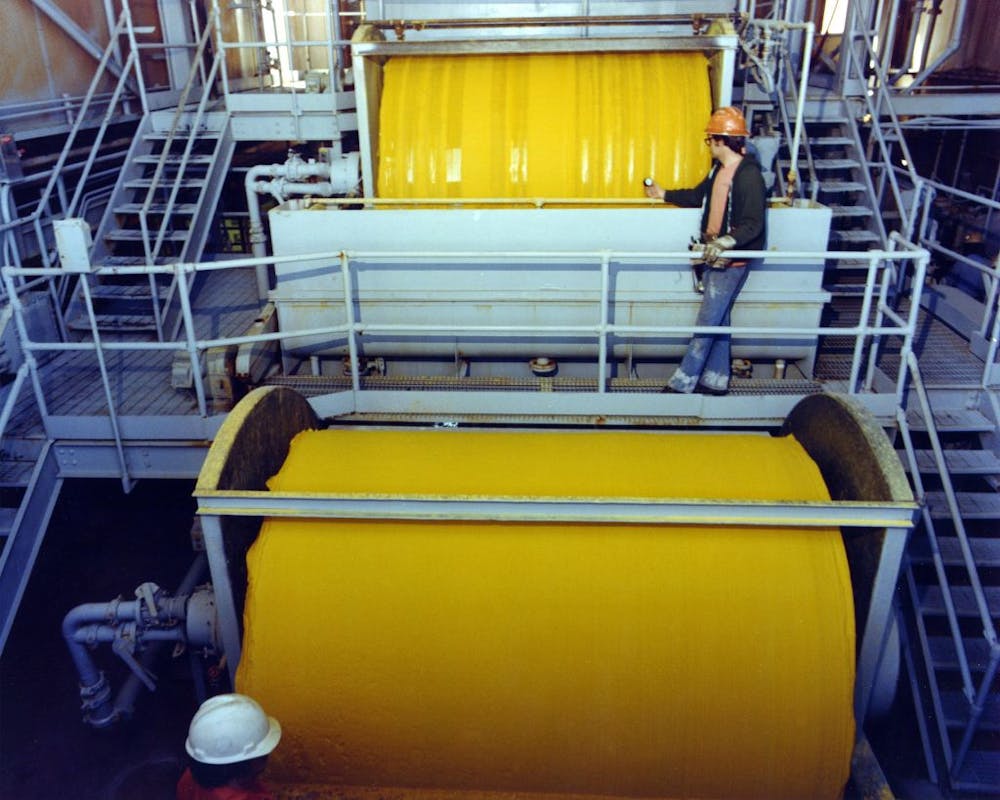 The US is looking at expanding its domestic uranium production. This 1975 image shows production of yellowcake uranium concentrate in the US.
Getty
A politically fraught topic
The issues of uranium mining and nuclear energy surface regularly in Australia’s political debate.
Australia’s uranium industry flourished over the many years of the Menzies government. Menzies even sought to possess nuclear weapons in the 1950s. And one of his successors, John Gorton, pushed to build a major nuclear reactor at the Jervis Bay Territory in the late 1960s.
The Whitlam government did not pursue the Jervis Bay plan. It initially supported uranium mining and even the possibility of domestic uranium enrichment, necessary to produce nuclear fuel. But as the Cold War heated up, the party became divided on its nuclear stance, due to concerns about weapons proliferation.
Bob Hawke played a key role in overcoming this anti-nuclear sentiment while as a union chief and then as Labor prime minister. By 1984, Labor agreed to accept more uranium mines and international customers if domestic reactors did not expand beyond the Lucas Heights research facility in Sydney.
As recently as last year, Labor’s election platform walked a similar line: no nuclear reactors or waste dumps, but yes to mining and selling uranium, with safeguards around inspection and non-proliferation.
In recent years, the Coalition’s strongest support for nuclear came in 2006 when then prime minister John Howard established a nuclear taskforce to examine uranium mining and processing, and the feasibility of a domestic nuclear industry. The taskforce found it was possible to build a reactor in 10 to 15 years – assuming the public supported it and regulations were in place.
The Coalition did not pursue nuclear energy during its last nine years in government, despite Howard continuing to call for more uranium mines and investigation of domestic nuclear energy. But since losing government, the Coalition has warmed to the technology.
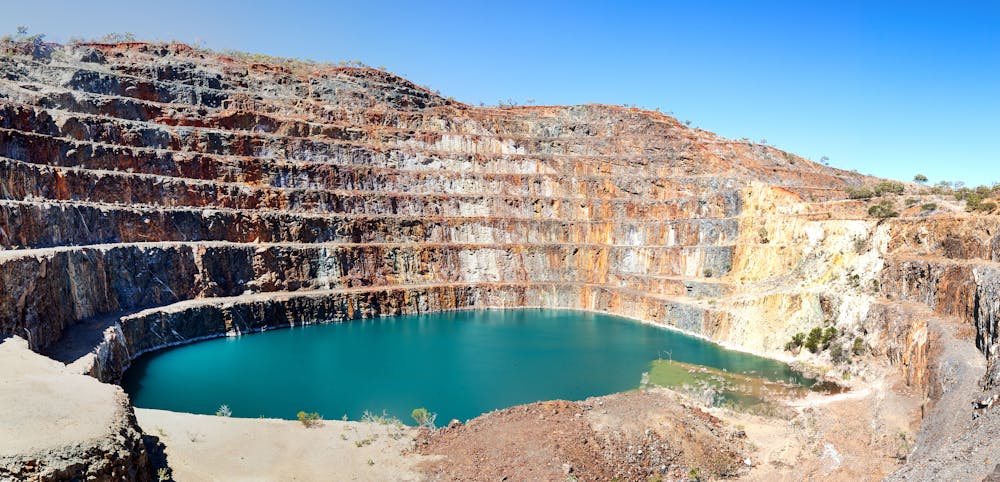 The Mary Kathleen uranium mine has been shut since 1982.
Shutterstock
Where to now?
So where does all this leave the prospect of nuclear power in Australia? And how likely is expansion of the uranium industry?
Some elements of Labor support nuclear energy. And Labor will be aware of US efforts to revive its own uranium mining industry.
The AUKUS deal struck under the Morrison government would see Australia acquire nuclear-powered but conventionally armed submarines. It raised the obvious question of whether nuclear power would follow.
But before being elected, Prime Minister Anthony Albanese said Labor supported the AUKUS agreement only if it did not require a domestic civil nuclear industry.
Albanese is also a long-time opponent of uranium mining in Australia – as shown in 2006 when he opposed Labor’s decision to dump a policy that banned new uranium mines.
And while uranium prices may be surging, nuclear energy remains a risky economic prospect for Australia. Large reactors like the UK’s Hinkley C have struggled with enormous cost overruns while the small modular reactors pitched as the future of nuclear power are still expensive and still far away. Meanwhile, wind and solar remain the cheapest new build option.
The Coalition may, after its internal review, decide to adopt nuclear energy as part of its 2025 federal election pitch. But for this term of government at least, those wanting progress on nuclear power or expanded uranium mining are likely to be left disappointed.
Read more: Uranium: what the explosion in prices means for the nuclear industry


