

I was an expert advisor on the documentary 'How to Thrive'. Here's what happened after this wellbeing experiment
- Written by The Conversation

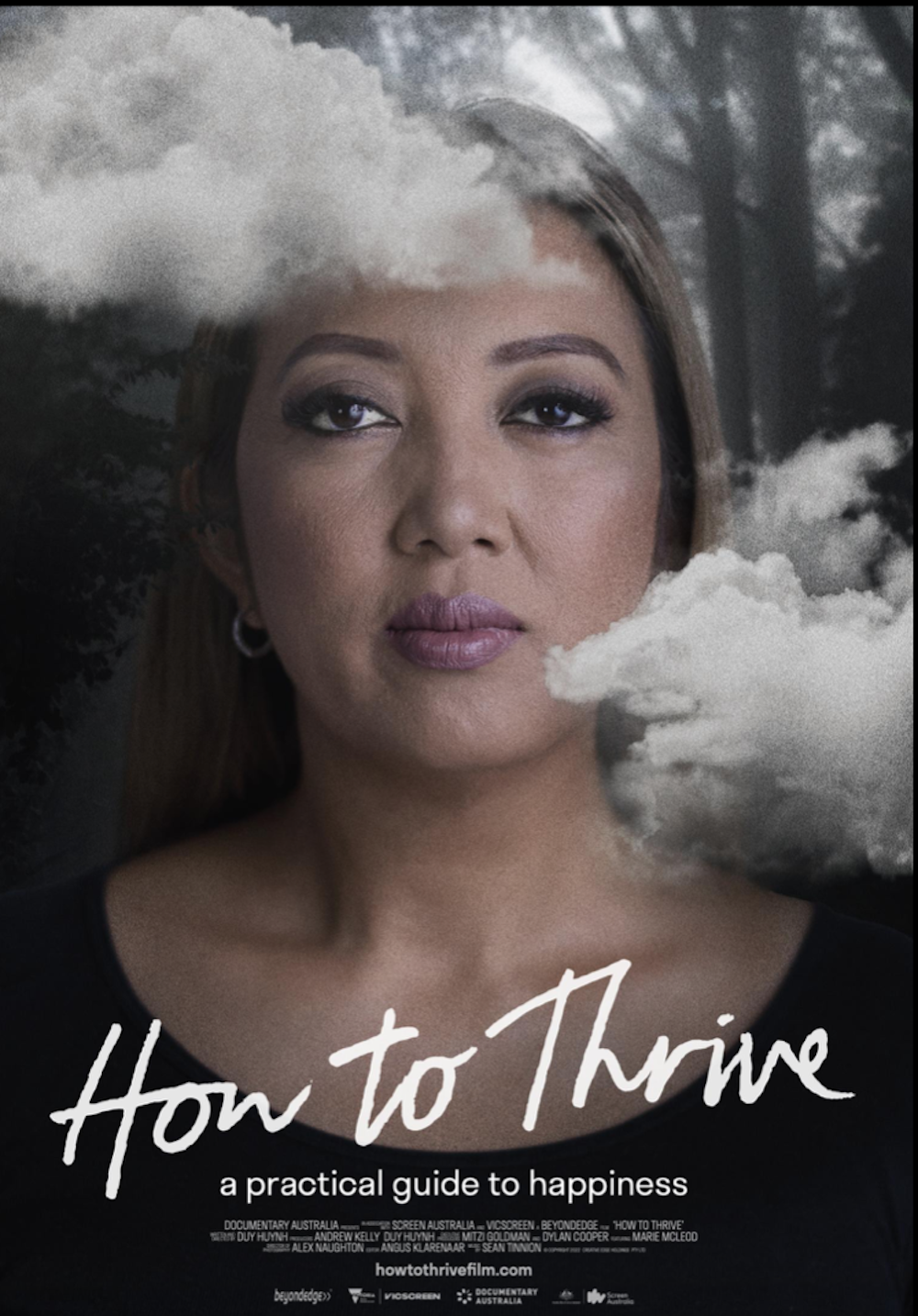
The How to Thrive documentary, which screens in cinemas from today, follows seven people as they learn to not only survive, but thrive.
The documentary aligns with “positive psychology”, which aims to provide people with the skills and resources to proactively support their mental health and wellbeing.
I research positive psychology and was as an expert advisor for the documentary, assessing the participants’ progress over 18 months.
My analysis shows the evidence-based strategies in the documentary supported participants to thrive, leading most of them to feel and function well across multiple aspects of their lives.
There are lessons here for everyone. Here’s what we learned from the intensive film-making process that you can apply to better your life.
Read more: Explainer: what is positive psychology and how can you use it for yourself?
The process
Filming began just before the start of the pandemic. Twelve people from diverse backgrounds – all with varying degrees of mental illness – took part. A two-day retreat introduced everyone to each other, and the journey ahead.
Each person had their own psychiatric supports as a requirement for being part of the program. There was also a clinical psychologist overseeing the process.
Then lockdown began.
Participants connected through Zoom, creating a sense of community and developing a sense of belonging. They were introduced to evidence-based strategies to improve their lives, and filmed their progress on their phones.
All participants learned about their character strengths (the positive parts of your personality that make you feel authentic and engaged), created a vision board of their best possible future self, practised self-compassion, and identified what went well in their life and why.
They also received individual coaching sessions, and were given activities specific to their needs.
Of the original 12 participants, seven were included in the final cut of the film, based on which stories allowed the producers to talk about a range of approaches and diversity of mental health conditions.
How to Thrive, due for release in cinemas October 13.How I assessed their progress
I collected data documenting participants’ experiences, mental illness and wellbeing.
Over eight months, participants made major changes in their lives and saw the benefits. Benefits continuing over the subsequent ten months.
Let’s take a scale from -10 (to indicate high mental distress) to +10 (completely thriving).
On average, participants went from -3.2 (mild-to-moderate distress) to +5.4. Even a 2-point improvement would be statistically significant. But we saw a difference of more than 8 points, clearly showing participants were thriving, and demonstrating clinically significant improvements.
The greatest changes occurred from March to April 2020, during the documentary’s main intervention period. But improvements continued over the next 17 months.
On average, participants felt more satisfied with their lives, more hopeful, more engaged, and more connected. Participants improved their physical health, and felt less lonely and distressed.
Participants felt like they were struggling less. They felt more supported by others and gave more support to others. They increased their skills, resources, and motivation to live well.
The results support studies suggesting happiness does not just happen – it’s a skill that can be learned and developed, with the right aims and supports in place.
Read more: How to avoid 'toxic positivity' and take the less direct route to happiness
What else could be going on?
While seven participants were included in the final cut, all the original 12 took part in the assessments across the first 12 months. Almost all demonstrating significant increases in their mental health and wellbeing across the intervention period and beyond.
One participant, who did not engage in many of the intervention activities and remained distant from the group, did not see these improvements.
It’s possible the benefits arose from the psychiatric supports participants had in place as part of the documentary. However, each participant had years of experience with psychologists, psychiatrists, and other mental health supports, yet continued to deeply struggle.
This suggests the intervention provided added benefits to usual mental health care.
Studies suggest that positive psychology interventions can increase wellbeing and reduce the symptoms of depression.
However, we don’t know how positive psychology interventions alone compare with usual mental health care. We also don’t have evidence for adding positive psychology to usual mental care.
Positive psychology interventions have mostly been used with people without moderate-to-severe mental illness. Indeed, one of the extraordinary parts of this experiment was adding positive psychology to typical care for people with moderate-to-severe mental illness.
What can we learn?
The documentary suggests several key ways to support mental health and wellbeing.
1. Find your tribe
Throughout the documentary, participants developed a community. Humans have a natural need for belonging. In contrast, loneliness relates to mental and physical illness, and even early death. Find people that you can belong with and connect at a deep level, beyond superficial “friends”.
2. Engage in meaningful activities
Studies suggest engagement in life is an important marker of healthy ageing. This means not simply gliding through life, but sucking the marrow out of life. It involves finding and committing to activities that fill you up and give you a sense of life, rather than those that drain the life from you.
3. Be compassionate
Be compassionate towards yourself and others. We are often our own worst critics. We are doing the best we can. Be kind to yourself, and extend that kindness to others.
4. Be optimistic
Be optimistic and hopeful for the future. Things won’t always work out, but if we are biased towards seeing the possibility of what could be, the results might surprise us.
5. Nurture yourself
Nurture your physical, mental, social and spiritual wellbeing. Eat and rest well, engage in moderate physical activity, and actively engage in activities that make you feel and function well.
But be careful
Positive psychology interventions are far from a panacea. As part of the documentary, they only worked for those who actively took part in the interventions and connected well with others.
Each participant was dealing with one or more mental illnesses. So positive psychology was not a replacement for conventional psychiatric support. They went hand-in-hand.
While the documentary presents a hopeful story of recovery, if you are struggling with mental illness, it’s important to connect with additional forms of support, including your GP, psychologist or psychiatrist.
If this article has raised issues for you, or if you’re concerned about someone you know, call Lifeline on 13 11 14.


