

Australia has hundreds of mammal species. We want to find them all – before they're gone
- Written by The Conversation
Life on Earth is undergoing a period of mass extinction – the sixth in history, and the first caused by humans. As species disappear at an alarming rate, we have learned that we understand only a fraction of Earth’s variety of life.
The task of describing this biodiversity before it is lost relies on the discipline of taxonomy, the scientific practice of classifying and naming organisms.
Read more: It's not the science of tax, and five other things you should know about taxonomy
But taxonomy is far more than just naming things. It underpins an enormous range of human activities, including biology (via health and conservation management), the economy (via agriculture and biosecurity) and many other areas of endeavour.
Unfortunately, taxonomy is suffering globally from reduced support and funding. This is an area of ongoing concern recognised in Australia’s State of the Environment report released in July this year. The workforce of taxonomists has declined when it is needed most.
Taxonomists unite
So, what is being done?
Communities of taxonomists in Australia and the world over are making a concerted effort to face the challenge of naming and understanding Earth’s unknown species.
Australian taxonomists are garnering support to achieve the goal of documenting all Australian species by 2050.
This ambitious plan requires not just government and other external support but also co-ordination of our taxonomists. Success will mean bringing together those who study lesser-known groups, such as insects, spiders and fungi, with those who work on more familiar groups such as vertebrates, including mammals.
Mammals under threat
Mammals are perhaps the best known and cherished group of species on the planet. Even so, many mammals remain undiscovered.
Mammals are also among the most threatened animal groups globally. And because it has contributed the most species to the list, Australia has the worst modern mammal extinction record of any country, along with one of the most distinctive mammal faunas on Earth: about 90% of our terrestrial mammals live nowhere else.
More than 100 species that lived only in Australia are recognised as having become extinct since 1788.
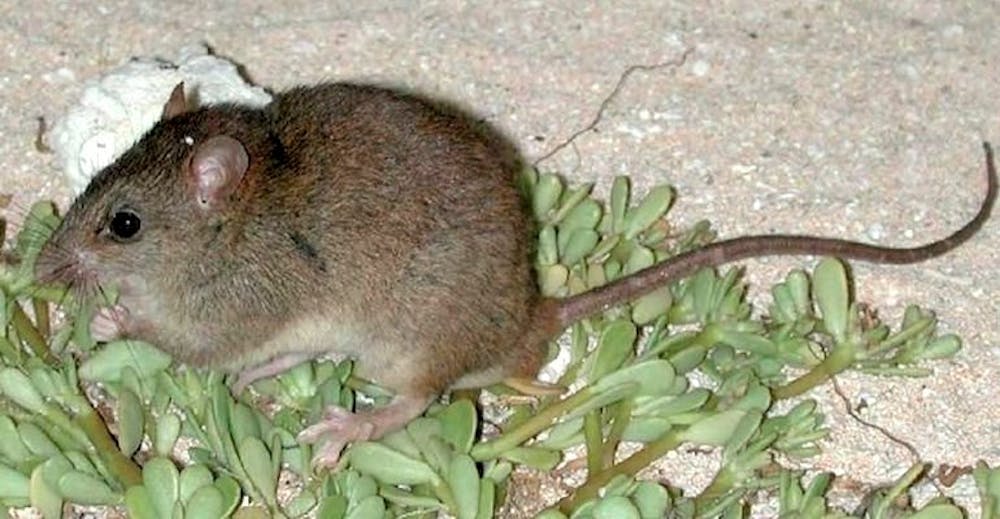
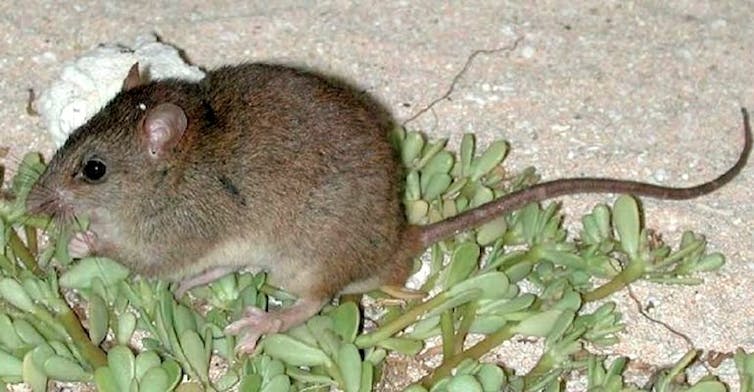
Thirty-nine of these extinct species are mammals. Most recently, this includes the Bramble Cay melomys (Melomys rubicola), a native rodent declared extinct in 2016, and the first known mammal extinction due at least in part to human-induced climate change.
In the face of an avalanche of human-mediated threats, including climate warming, land-use change and introduction of pest species, are the host of hidden mammal species destined for extinction before they are even discovered, described and known to humanity?
The Australasian Mammal Taxonomy Consortium
To help address this existential threat, and in response to the call to arms within Australian taxonomy, we have formed the Australasian Mammal Taxonomy Consortium (AMTC), a group affiliated with the Australian Mammal Society.
The consortium aims to promote stability and consensus, provide advice and guidance, and promote the cause and importance of Australasian mammal taxonomy to both scientists and the broader public.
We have recently introduced the aspirations and aims of our group in a review paper and published our first list of species, covering Australian mammals.
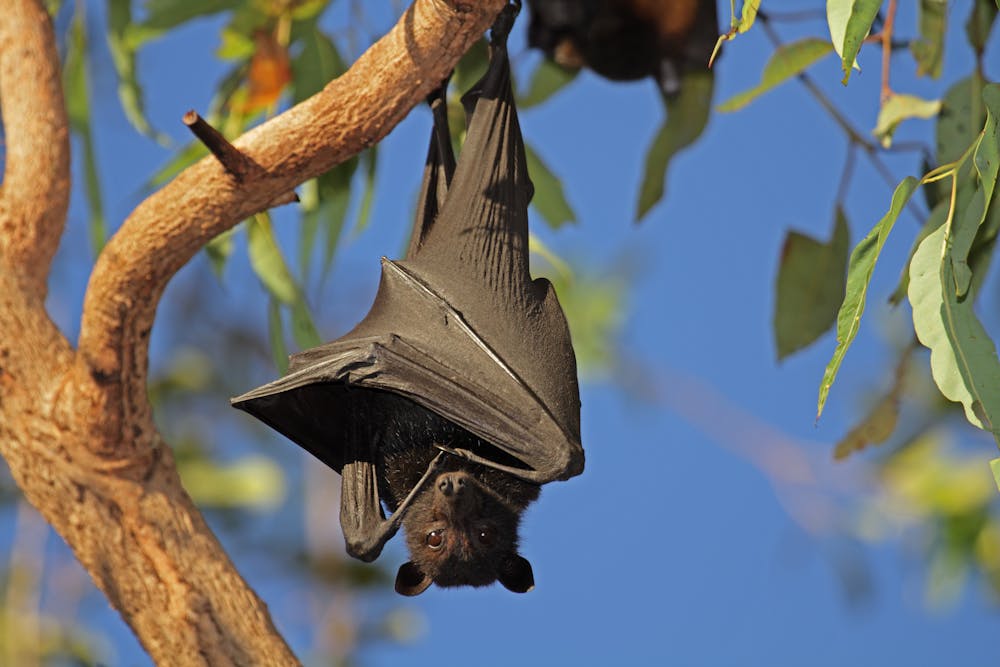 Not just koalas and kangaroos: the Australasian Mammal Taxonomy Consortium currently recognises 404 species of Australian mammals.
EcoPrint / Shutterstock
Not just koalas and kangaroos: the Australasian Mammal Taxonomy Consortium currently recognises 404 species of Australian mammals.
EcoPrint / Shutterstock
We recognise 404 Australian mammal species, including 2 monotremes (platypus and short-beaked echidna), 175 marsupials (such as the Tasmanian devil, the numbat, the koala, kangaroos and so on) and 227 placentals (such as rodents, bats, seals, whales and dolphins). The list includes 11 species, and numerous subspecies, that have only been discovered and formally named in the past decade.
A suite of other recognised variable forms, new species-in-waiting, need study and description.
The Australian mammal species list will be updated annually to incorporate new species names. In the future, working with research groups throughout the region, we will produce lists of mammal species found elsewhere in Australasia.
A new launching point
We hope this will standardise the use of mammal species names, highlight groups where further taxonomic work is required, and provide a launching point for this work.
In the past decade, rapid DNA sequencing has revolutionised our ability to understand biodiversity, even while species loss to extinction at the hands of humanity is at an all-time high. This juxtaposition makes it both an exciting and critically important time for taxonomy.
We hope the Australasian Mammal Taxonomy Consortium can do its part to help grow and focus an interest to better understand and conserve our precious Australasian mammals before it is too late.
The authors comprise a steering committee representing the broader Australasian Mammal Taxonomy Consortium working group, which includes more than 30 members.


