

Right now, more adult incontinence products than baby nappies go to landfill. By 2030, it could be ten times higher
- Written by The Conversation
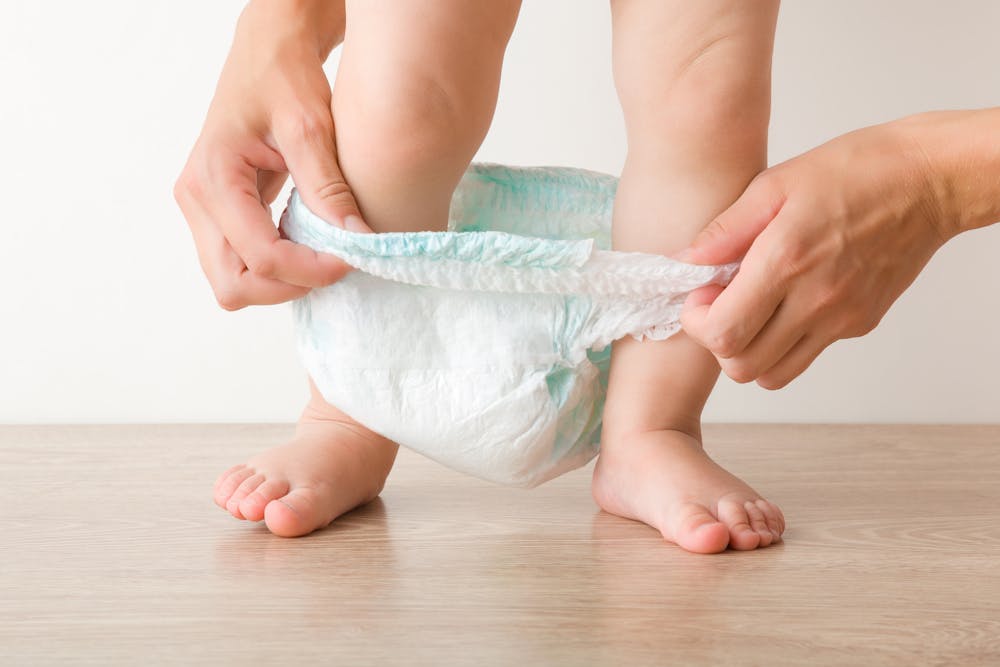
Many parents worry about the waste created by disposable nappies.
But while baby nappy waste is well known, there’s a hidden waste stream that our research has found is actually a bigger issue. More adult incontinence products go to landfill than baby nappies in Australia.
Adult incontinence is often underreported and undertreated. The social stigma and lack of access to affordable health support may stop people seeking treatment and instead rely on incontinence products.
As Australia’s population ages, this issue will grow. By 2030, we predict adult incontinence waste will be four to ten times greater than baby nappies. We’ll need to get much better at dealing with the waste issues associated with these products.
Adult incontinence is common and long-lasting
The reason these products will soon outstrip baby nappies is because infants usually only need nappies for a couple of years. By contrast, adult incontinence can stay with you for a lot longer – and it can emerge in many different ways.
How common is adult incontinence? It varies widely. The risk of urinary incontinence increases with age, and women experience higher levels of incontinence compared to men across all age groups. Women over 60 experience the biggest issues, with an estimated 30% to 63% of women over 65 living with some degree of urinary incontinence.
It’s common for people to manage their incontinence with single-use absorbent hygiene products, an umbrella term for incontinence products for both babies and adults.
 Single use incontinence products offer convenience and normality as we age but produce waste.
Shutterstock
Single use incontinence products offer convenience and normality as we age but produce waste.
Shutterstock
Like baby nappies, adult incontinence products are usually made from a combination of natural fibres, plastics, glues and synthetic absorbent materials.
What happens to these products after use varies around the world, and can range from illegal dumping, to landfill, composting or burning in a waste-to-energy plant.
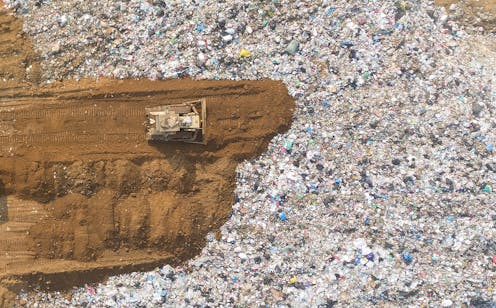
In Australia, both infant and adult products typically end up in landfill. The problem is, when you deposit organic waste in landfill, it gives off biogas (a mix of methane and carbon dioxide) and leachate, a polluted liquid that can leak through the lining at the bottom of landfills.
Some landfills in Australia are equipped with collection systems for leachate and biogas – but not all. Biogas emissions and leachate leaks can still occur even if there are collection systems in place.
Food and garden waste are the main source of biogas and organic contaminants in leachate. While councils look to remove food and garden waste from landfills, our ageing population will contribute more incontinence product waste to them.
Read more: Why we need to talk about incontinence
Could we divert adult incontinence products from landfill?
Right now, we estimate about half of all adult incontinence products used in Australia end up in landfills without biogas collection.
The European Union has moved to ban disposal of untreated organic waste – including these products – to landfill. Because adult incontinence products usually contain plastics, the EU requires them to be incinerated where possible rather than biodegraded. Australia has no such laws for this waste.
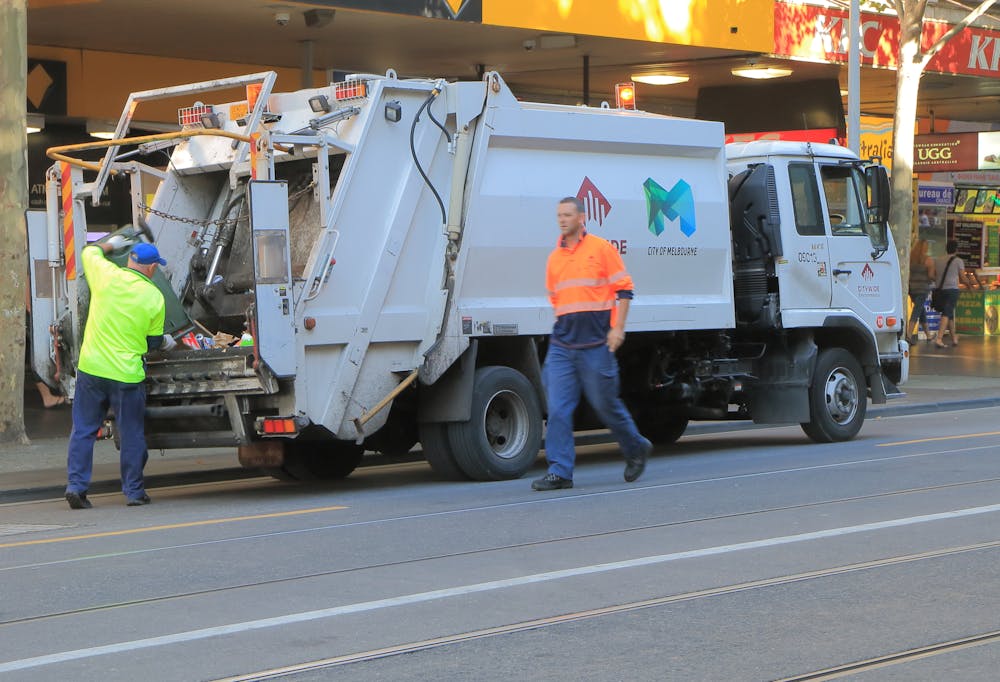 Diverting this waste stream from landfill is possible.
AAP
Diverting this waste stream from landfill is possible.
AAP
Could biodegradable incontinence products tackle the waste issue? Only if there are systems in place to manage the waste and recover the resources.
A recycling pathway for biodegradable incontinence products could include anaerobic digestion – systems that harness bacteria to take our waste and make useful products such as renewable natural gas and biofertiliser. This waste stream could also be composted, if the temperature rises high enough to kill off any pathogens and recover the resources.
Problem solving
This is only part of the solution. Tackling the stigma around incontinence and ensuring access to affordable treatment options could cut the waste stream.
Encouraging manufacturers to use biodegradable materials for both adult and baby incontinence products could enable resource recovery, provided policies, systems and infrastructure are put in place to divert and process the waste. And while this is happening, it’s important these improved incontinence products are accessible and affordable to people who need them.
The reason disposable baby nappies and adult incontinence products have come to dominate the market is simple: they’re convenient, despite the environmental impact. This is especially true for the quality of life for our ageing population.
As our population gets older, we’ll need to rethink this. Let’s bring the issue into the open and talk about it. And let’s find alternative solutions that give people dignity and a better quality of life – while minimising landfill waste and the impact on our environment.
Read more: Urinary incontinence can be a problem for women of all ages, but there is a cure


