

Money for dams dries up as good water management finally makes it into a federal budget
- Written by The Conversation
A story from the early days of the Abbott government still circulates in the halls of Parliament House.
The government’s Expenditure Review Committee apparently supported then Minister for Agriculture Barnaby Joyce’s first A$500 million budget funding for the National Party’s dam-building plans, over then Treasurer Joe Hockey’s objections. Hockey reputedly said to Joyce “good luck with that, I don’t think you’ll build one of them”. If true then Joe, take a cigar.
In our land of drought and flooding rains, better water management should feature in every federal budget. Thankfully, the budget handed down by Treasurer Jim Chalmers on Tuesday delivers it.
It slashes spending on big dams and elevates the role of science in water decision-making. It also positions Labor to undertake further reform in the Murray-Darling Basin by buying back more water from farmers to improve the health of the rivers, and manage the impacts of climate change.
These measures promise to deliver more sustainable use of water in Australia’s most economically important and exploited river system. But they also buy a fight with some quarters of the farming community, and the New South Wales and Victorian governments.
Nationals set about building dams
Dams are a talisman for Australians who believe development and the conquest of nature is essential to nation-building.
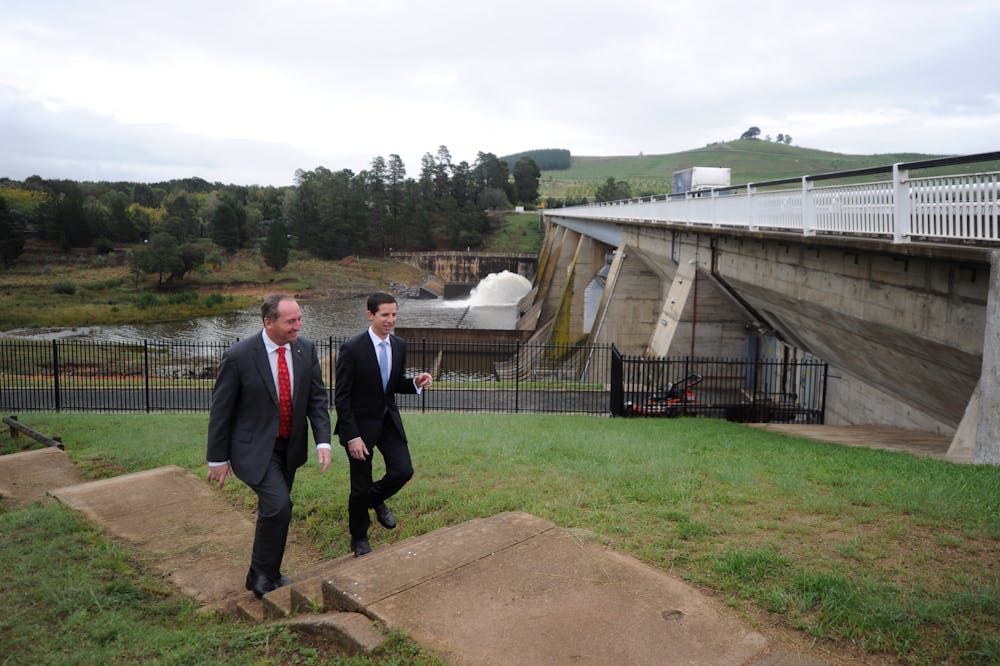
The National Party arguably exemplifies this ideology. It gained control of the water portfolios in the former federal government and current NSW government and set about trying to build dams, especially in the Murray-Darling Basin.
The Liberal Party has conceded to National Party demands on water even though the National Water Initiative, established by the Coalition in 2004, stipulates:
proposals for investment in new or refurbished water infrastructure […] be assessed as economically viable and ecologically sustainable prior to the investment occurring.
This week’s budget wields a long overdue axe to dam proposals from Coalition governments, saving $1.7 billion over four years. Two of the most controversial dam proposals in the Murray-Darling Basin are among those axed or indefinitely postponed.
First is the $1.27 billion Dungowan proposal near Tamworth in NSW. It was slammed by the Productivity Commission as excessively expensive and the leading example of poor water infrastructure decision making.
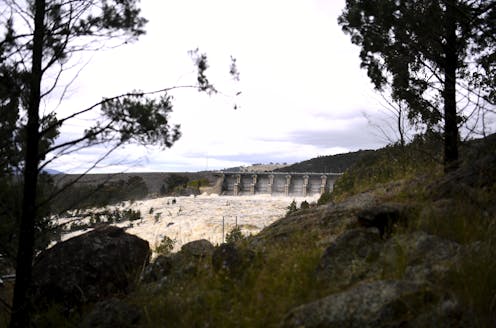
Second is the hugely expensive - up to $2.1 billion at last estimate - raising of Wyangala Dam, near Cowra. In 2021 a NSW parliamentary inquiry found the proposal was “yet to demonstrate the cost effectiveness and water yield benefits of the project”.
Further, $153.8 million of unallocated funding in former “water efficiency” projects in the basin has been (somewhat ambiguously) “re-profiled”. These efficiency projects have been criticised as double-counting water at the expense of the environment, being very expensive and subsidising irrigators.
Importantly, Labor has quietly sought to lock a commitment to better governance with transparent environmental and socio-economic assessment standards in a new National Water Grid Investment Framework.
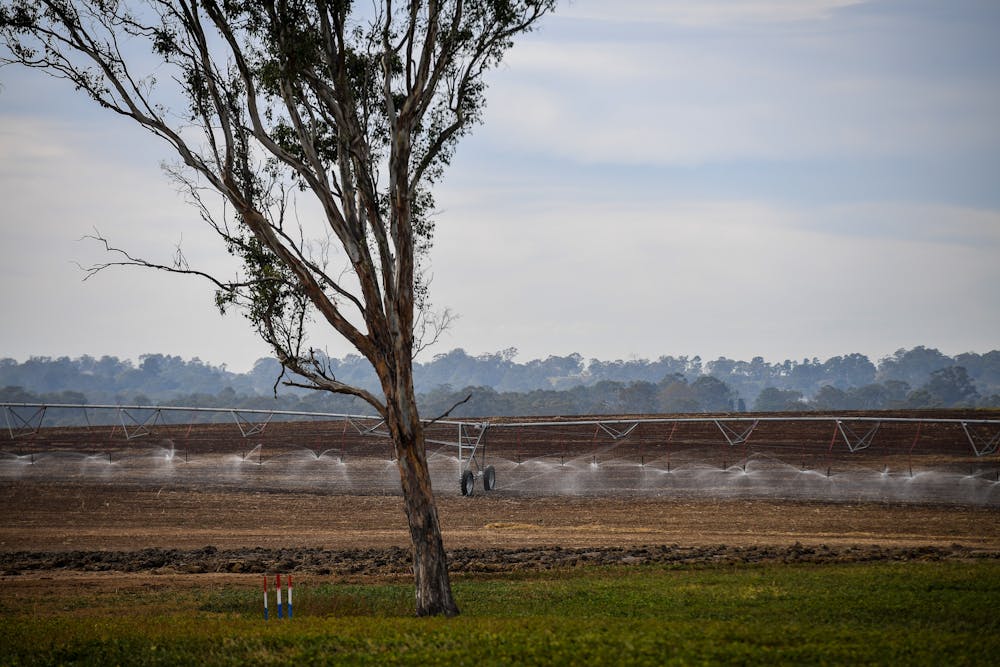 Labor is set to reform the Murray-Darling Basin by buying back more water from farmers.
AAP Image/Brendan Esposito
Science and the Murray-Darling Basin
Labor has allocated $51.9 million over five years to strengthen the Murray-Darling Basin Plan “by updating the science to account for the impacts of climate change and restore trust and transparency in water management”.
This spending is timely. The past decade and more has seen risk-averse government agencies commission water research through narrow briefs to the government-owned CSIRO and other contractors. In one instance, the South Australian Royal Commission into the Murray-Darling Basin described this research as “improperly pressured” and representing “maladministration”.
The situation worsened when the research program into better water management commissioned by the independent National Water Commission was axed under Abbott in 2014.
Read more: Excessive water extractions, not climate change, are most to blame for the Darling River drying
This has resulted in science that may not be independently peer-reviewed and often doesn’t address the big questions.
For instance, after allocating around $13 billion for water management reforms in the basin since 2008, governments still can’t tell the public:
Further, water institutions in the basin do not currently adequately address the threat of climate change.
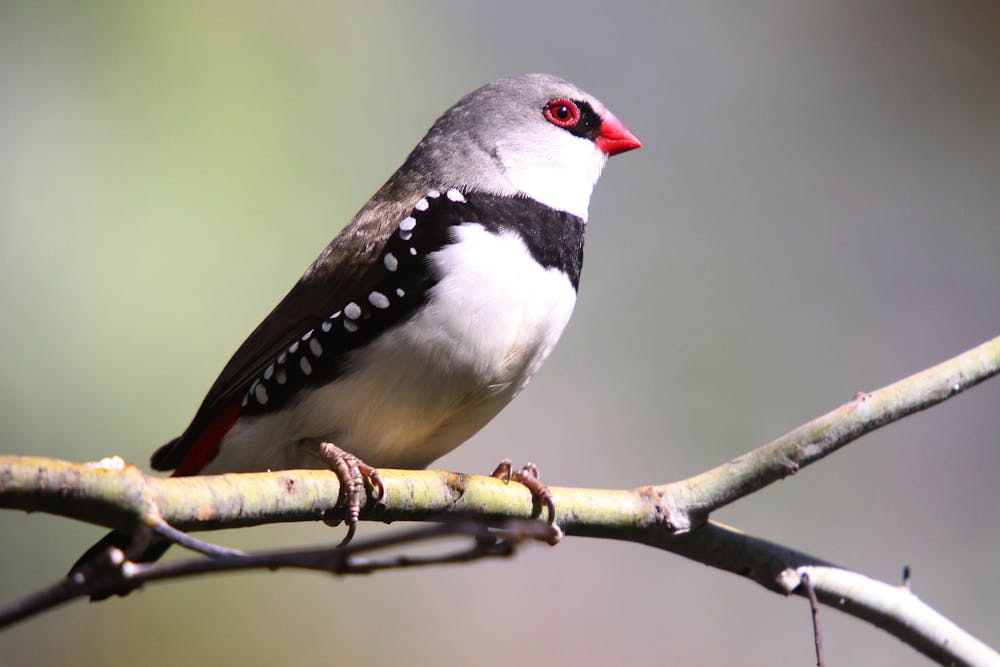 The Murray-Darling Basin is home to several threatened and declining species of birds, such as the diamond firetail in floodplain woodlands.
AAP Image/Nature Conservation Council of NSW, Marj Kibby
Returning water to the rivers
Measures to implement the basin plan are meant to be complete in mid-2024. Consequently, allocated funding for all Basin water reforms was due to decline markedly after this point. Yet, major and expensive elements of the plan have still not been implemented.
In just one example, the Victorian and NSW governments were supposed to reach agreements and pay over 3,300 riverside land owners to fill river channels and allow water to spill safely onto the lower-most floodplains. This would conserve nearly 375,000 hectares of wetlands, and maximise conservation of flora and fauna with the limited volume of available environmental water.
However, since 2013 the state governments have failed to make a single agreement with land owners.
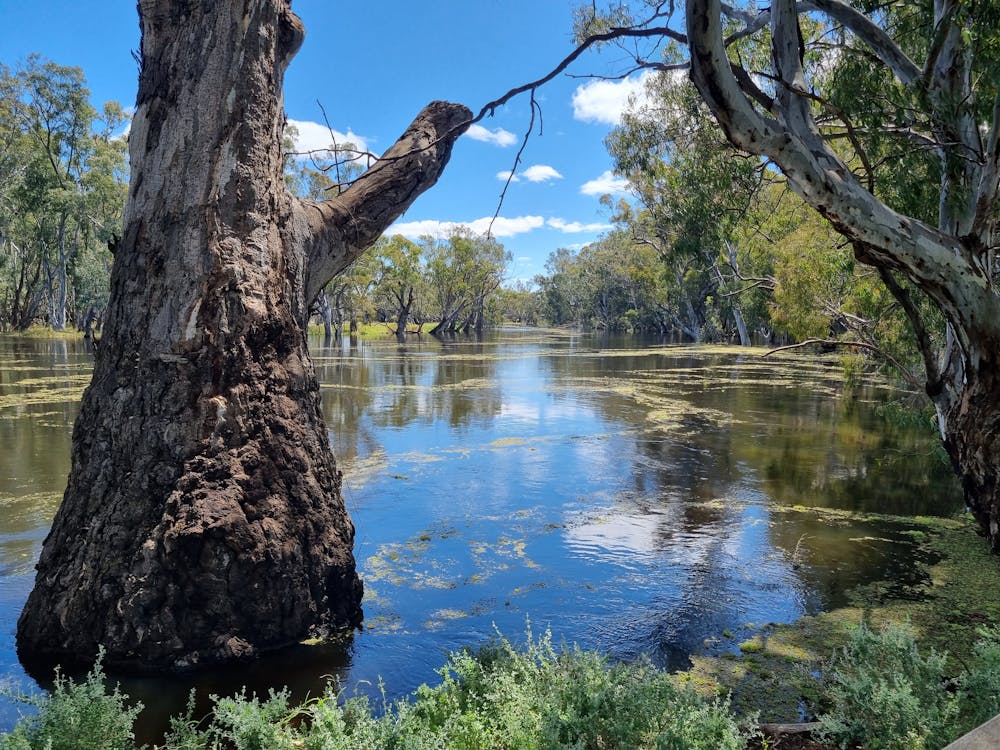 Murrumbidgee river at Yanga Woolshed, a major tributary of the Murray-Darling Basin.
Jamie Pittock, Author provided
Hundreds of billions of litres of water that were supposed to have been reallocated to the environment are still missing. The latest federal budget describes the lack of water recovery for the environment as an unquantified “fiscal risk”.
Waving a big stick, Labor has allocated initial funding for meeting the environmental water targets in the plan. The amount of the funding has not been disclosed. It could involve purchasing water entitlements from farmers who volunteer to sell them – a move deeply opposed by the state governments and the irrigation industry.
The budget also funds repairs to other broken elements of the basin’s water governance. After a decade of cuts, the now Department of Climate Change, Energy, the Environment and Water will have funding restored to, among other goals, improve “the health of our rivers and freshwater ecosystems”.
Read more: Australia has an ugly legacy of denying water rights to Aboriginal people. Not much has changed
There is also money to start work on re-establishing a National Water Commission, and to reform the much criticised water trading markets to make them more transparent and robust.
Finally, the budget allocates $40 million to begin addressing the appalling dispossession of water from Indigenous peoples, who now hold just 0.17% of surface water entitlements in the basin. It’s a small but important first step for water justice.


