How long does menopause last? 5 tips for navigating uncertain times
- Written by The Conversation

Around half of the world’s population are women or people who menstruate – yet the way their body works can be a mystery, even to them.
Most women will experience periods roughly every month, many will go through childbirth and those who live into midlife will experience menopause.
While menopause is a significant time of change, it isn’t talked about much, other than as a punchline. This may contribute to keeping it a taboo topic.
So, what happens during menopause? How do you know when it is happening to you? And – the thing most women want to know – how long will it last?
What is menopause?
Menopause is defined as the permanent cessation of menstruation, which is medically determined to be one year after the final menstrual period. After this time women are considered to be postmenopausal.
The average age of “natural menopause” (that is not caused by a medical condition, treatment or surgery) is considered to be around 51 years.
However, natural menopause does not occur suddenly. Changes can begin a number of years before periods stop and most often occur in a woman’s 40s but they can be earlier. Changes can continue for 10 years or more after periods have stopped.
Using hormones such as the oral contraceptive pill or hormone intrauterine devices may make it more difficult to determine when changes start.
Menopause that occurs before 45 is called “early menopause”, while menopause before 40 is called “premature menopause”.
What about perimenopause?
Various terms are used to describe this period of change, including “menopause” or “the menopause”, “menopausal transition”, “perimenopause” or “climacteric”.
These terms tend to refer to the period before and after the final menstrual period, when changes are considered to be related to menopause.
The difficulty with the definition of menopause is it can only be decided retrospectively. Yet women can experience changes many years before their periods stop (a lead up usually called “perimenopause”). Also, any changes noticed may not be associated with menopause (because people might not be aware of what to expect) or changes may be associated with a combination of factors such as stress, being busy or other health issues.
Read more: 'Brain fog' during menopause is real – it can disrupt women's work and spark dementia fears
So, what is going on?
Through a feminist lens, menopause can be seen as a complex and diverse experience, influenced by biological, psychological, social and cultural aspects of women’s lives.
However, it is usually viewed from the biomedical perspective. This sees it as a biological event, marked by the decline in ovarian hormone levels leading to a reduction in reproductive function.
The female reproductive system operates because of a finely tuned balance of hormones managed by the hypothalamic-pituitary-ovarian axis. International experts have developed a staging system for female reproductive ageing, with seven stages from “early reproductive” years to “late postmenopause”.
However, female reproductive hormones do not just affect the reproductive system but other aspects of the body’s function. These include the neurological system, which is linked to hot flushes and night sweats and disrupted sleep. Hormones may also affect the heart and body’s blood circulation, bone health and potentially the immune system.
Menopausal hormone changes may cause hot flushes, night/cold sweats, mood swings, sleep disruption and tiredness, vaginal dryness.
Medical confirmation of menopausal changes in women over 45 years is based on two biological indicators: vasomotor symptoms (those hot flushes and night sweats again) and an irregular menstrual cycle.
In early perimenopause the changes to the menstrual cycle may be subtle. Women may not recognise early indicators, unless they keep a record and know what to watch for.

Read more: What is perimenopause and how does it affect women's health in midlife?
How long does it last?
The body demonstrates an amazing ability to change over a lifetime. In a similar way to adolescence where long-lasting changes occur, the outcome of menopause is also change.
Research suggests it is difficult to give an exact time frame for how long menopausal changes occur – the average is between four and eight years.
The Penn Ovarian Ageing Study found 79% of the 259 participants experienced hot flushes starting before the age of 50, most commonly between 45 and 49 years of age.
A later report on the same study found one third of women studied experienced moderate to severe hot flushes more than ten years after their periods had stopped. A 2017 study found a small number of women continued to experience hot flushes and other symptoms into their 70s.
So overall, the research cannot offer a specific window for perimenopause, and menopause does not appear to mark the end of changes for everyone.
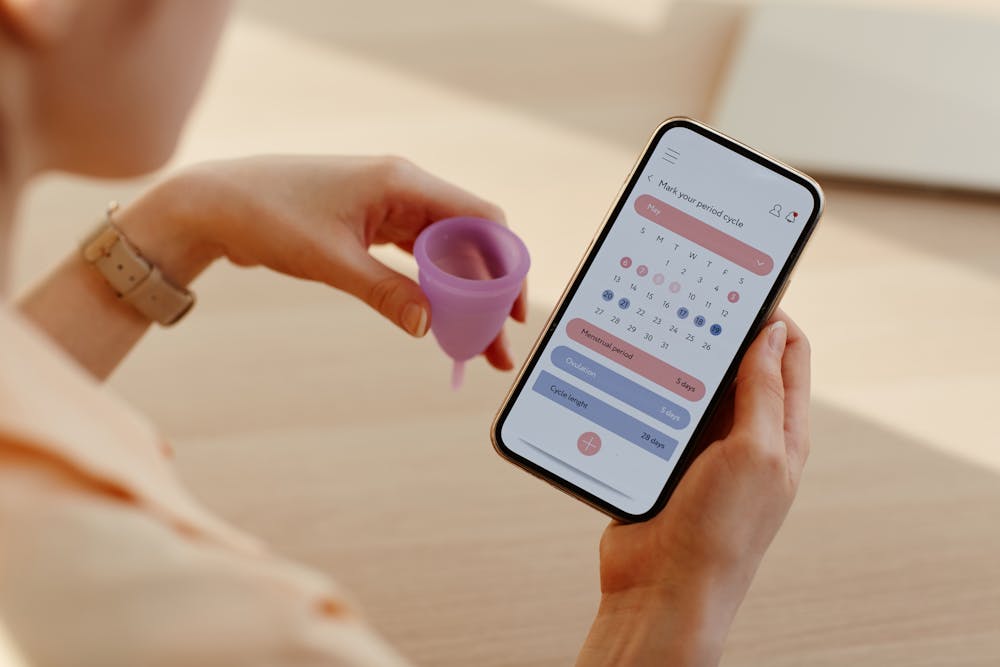 Menopause is ‘official’ once you haven’t had periods for one year.
Shutterstock
Menopause is ‘official’ once you haven’t had periods for one year.
Shutterstock
Read more: Making sense of menopausal hormone therapy means understanding the benefits as well as the risks
5 tips for uncertain times
Shifts and changes can be recognised early by developing knowledge, paying attention to changes to our bodies and talking about menopause and perimenopause more openly.
Here are five tips for moving from uncertainty to certainty:
1. talk to people and find out as much information as you can. The experiences of mothers and sisters may help, for some women there are familial similarities
2. notice any changes to your body and make a note of them, this will help you recognise changes earlier. There are menopause tracking apps available
3. keep a note of your menstrual cycle: start date, duration, flow and note any changes. Again, an app might help
4. if you are worried, seek advice from a GP or nurse that specialises in women’s health. They may suggest ways to help with symptoms or refer to a specialist
5. remember changes are the indicator to pay attention to, not time or your age.
Menopause is a natural process and although we have focused here on the time frame and “symptoms”, it can also be a time of freedom (particularly from periods!), reflection and a time to focus on yourself.
Women speak about their experiences of menopause.