

Can ‘voluntourism’ outgrow the white saviour stereotype and make a positive change post-pandemic?
- Written by The Conversation
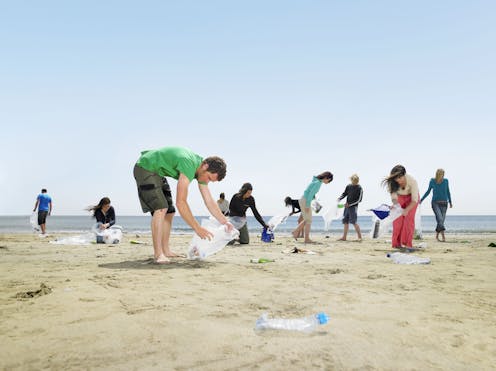
As the tourism industry emerges from pandemic shutdowns and border closures, so too is “voluntourism”, the sometimes controversial combination of overseas volunteer work and more traditional tourist experiences.
Although hard to measure, pre-pandemic estimates suggest voluntourism was worth US$2 billion annually, with up to ten million volunteers globally. While COVID shut the practice down for the duration, it remains a multi-billion-dollar industry, now poised to return and rebuild.
But volunteer tourism has met with considerable criticism. Voluntourists have been accused of putting vulnerable people at risk (including children), commodifying volunteer work, perpetuating neo-colonialism and reinforcing a “white saviour” complex.
Voluntourism is also largely unregulated, raising important ethical questions about who it really aims to serve – travellers or hosts. These issues are now being felt in the Pacific, where voluntourism is a relatively new but growing industry. As Simone Kaho wrote of her experience in Tonga:
In many cases, voluntourism asks the local community to stand back, and allow themselves to be helped. It turns helping into a business model.
My research in Fiji has also highlighted the problems associated with the commercialisation and commodification of volunteering. These are real and important issues that need close examination as tourism in general picks up.
Behind the ‘bula smile’
The Fiji case study – conducted with an international, for-profit, specialist voluntourism agency – tells a complex story about the benefits and downsides of voluntourism.
Volunteers are hosted by local families and included in household life, attending church or religious functions, learning to cook Fijian food, and spending time with children and other family members. Through this, they gain an understanding of life behind the famous “bula” smile. As one staff member said:
The host may get angry with you if you leave the light on, you may feel like you are back living with mum and dad because they may give you a lunch box, things like that. But it’s important that they see the person who is paid to smile at the Hilton, what they are like at home with their kids, how they make ends meet, how they eat.
Hosts often put considerable energy into sharing their way of life and teaching volunteers Fijian culture. Most hosts and staff took pride in helping travellers find their way around and teaching them Fijian ways. In turn, this helped Fijian staff build knowledge and pride in their own culture.
Also the good thing is that we keep up with our culture. Because if you are talking about it every day and you show them and try to talk about it, then the history remains […] Now when we go to the village we do the sevusevu [kava ceremony] and all those things, and we go with the elders. It was our mothers that did that, but now we are doing it, the next generation.
When we have volunteers in a Fijian village we will go to any lengths to give them what they want, to try and serve them […] But of course then the volunteers change to become more Fijian!
A chance to improve voluntourism
The growth of voluntourism in Fiji follows half a century of mass tourism, in which contact between Fijians and tourists has been largely limited and manufactured. Hosts embrace the opportunity to interact with tourists more directly and to build connections across the globe.
However, the commercial nature of the encounter has the potential to significantly undermine these connections. The large fees paid by voluntourists mean they – like any tourist – are consumers.
Volunteers have certain expectations, ranging from the mundane (internet access, good food and logistical support) to the more profound (a sense of accomplishment, a feeling they’ve made a difference). They will complain if these expectations aren’t met.
The pandemic also raised questions about the sustainability of voluntourism. The organisation I studied cut its global workforce significantly. In Fiji it had provided jobs for about a dozen Fijian staff, as well as home-stay income for many households.
Read more: Volunteer tourism: what's wrong with it and how it can be changed
While there is evidence that reliance on customary knowledge, systems and practices helped tourism workers to survive and even thrive during the pandemic, the future for many is uncertain.
COVID-19 has been something of a wake-up call that we need to move beyond voluntourism as a pseudo-development practice or as a commodified, profit-making experience. This is an opportunity for the industry to take on board the criticisms, examine past practice and reassess the role and impact of volunteering.
Rather than rush back to business as usual, this is the perfect moment to look at reconfiguring the industry in line with the principles of sustainability and regenerative tourism. In the process, perhaps voluntourism’s strengths – building cross-cultural relationships, learning and solidarity – can contribute more to meaningful social and environmental change.


