

How to protect yourself against bushfire smoke this summer
- Written by The Conversation
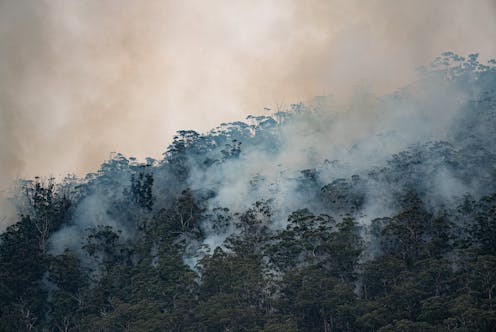
It’s bushfire season. So you might be wondering about the best way to protect yourself from the health impacts of smoke.
Guidelines suggest wearing respirators, avoiding outdoor air and avoiding vigorous activity outdoors. Many people use the cheaper option of a surgical mask during bushfires. But there has never been a clinical trial to measure how well these interventions work. That’s why our group is looking into it.
In the meantime, here’s what you can do to reduce your exposure to bushfire smoke.
Read more: It's summer, so bushfires and COVID collide. 3 ways one affects the other
Who’s at risk?
Australia’s 2019/2020 summer bushfires resulted in more than 400 estimated deaths and thousands of hospitalisations from smoke exposure.
You don’t have to have a lung condition to suffer the ill-effects of bushfire smoke. Breathing difficulties, eye irritation and heart attacks are among the well-documented short-term impacts.
But people with asthma, emphysema, chronic bronchitis and other lung conditions are particularly susceptible to smoke exposure, triggering asthma attacks and breathing difficulties.
This was the typical pattern we saw during our own research, conducted during the same bushfire season. We showed smoke exposure caused ill health in people with and without existing lung disease.
However, we found people under 65 had a higher risk of ill health after smoke exposure than older people. This may be because younger people tend to go outdoors more during bushfires.
Read more: How does bushfire smoke affect our health? 6 things you need to know
1. Be prepared
If you live in an area potentially affected by bushfire smoke, the first thing to do is to get an early alert about fires and smoke using one or more apps. Examples include, the Fires Near Me app or the AirRater app for air quality.
You can also use a visual method to assess air quality. This involves identifying a landmark on the horizon about 5 kilometres away and noting if it becomes hazy. This would be the trigger for using a respirator or avoiding outdoor air.
2. Stay inside if it’s safe
Try to avoid exposure to smoke, avoiding outside air and staying indoors if it is practical and safe to do so. Vigorous exercise outdoors can be dangerous as it results in greater smoke inhalation and risks to the heart and lungs.
Close all doors and windows, set air-conditioning to recirculate, and seal gaps under or around doors, windows and wall vents with towels, blankets or plastic.
Unfortunately, these instructions are the opposite of what to do if there is COVID at home, when you would want fresh air in the house. If that is the case, wear a mask indoors in common areas and social distance from the person with COVID.
Read more: Our buildings aren't made to keep out bushfire smoke. Here's what you can do
3. Wear a respirator (not just a surgical mask)
Most people who need to go outside during a bushfire can use some type of disposable respirator to filter the smokey air.
You will have seen people wearing these P2, P3 or N95 respirators to protect themselves and others from SARS-CoV-2, the virus that causes COVID.
These and other types of disposable respirators filter very fine particles and fit closely around the face. Choose one with a full band around the back of the head (rather than ear loops) as these provide a better fit.
Some disposable respirators have valves, which means they filter inhaled air but allow you to exhale more comfortably. This option may help people with asthma or lung disease to breathe more comfortably. If you have COVID, though, wearing a respirator with a valve does not reduce the risk of you infecting others, because the air you breathe out through the valve is unfiltered and contaminated.
Respirators will filter particles larger than 0.3 microns (micrometres). However, they may not filter smaller particles contained in smoke, which is why avoiding outside air is still important.
People who live in bushfire-prone areas may want to consider a type of respirator they can clean and re-use when needed, known as an elastomeric respirator. Their filters need to be changed at specified intervals.
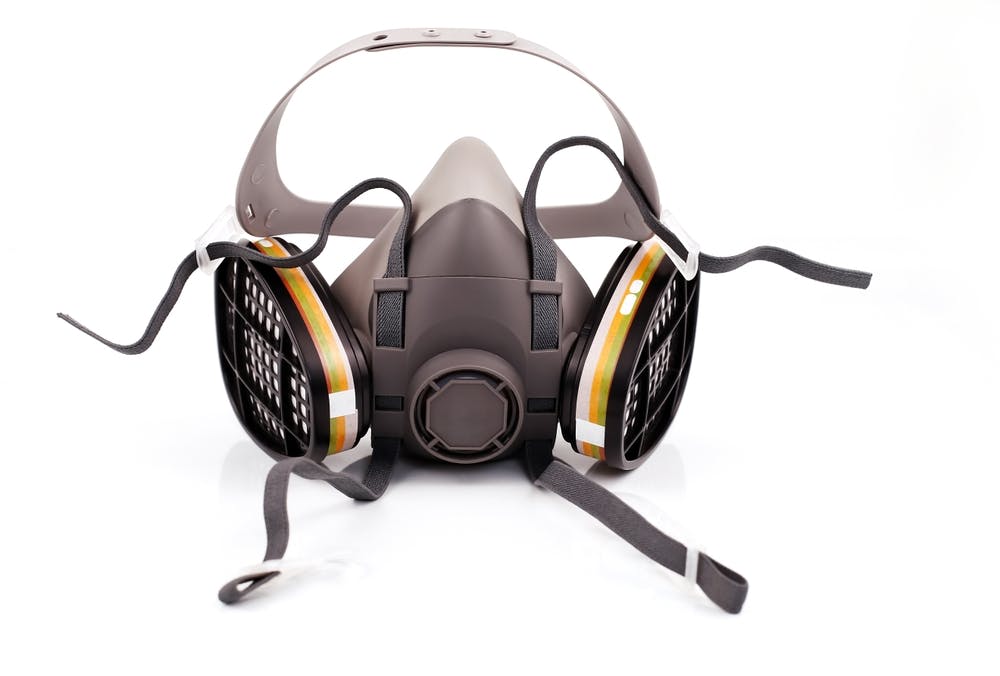
If you have trouble getting one of the mentioned respirators, you can use a disposable KN95 respirator. However, these have ear loops and do not fit well around the face, so air can leak through.
Surgical masks are not likely to protect you because they are so loose. But medical-grade ones provide good filtering. For this to be effective, wear one with a mask brace or clip to provide a better fit and to help prevent air leaking in from the sides.
In a nutshell
Be prepared by downloading an app to monitor bushfires and air quality near you, and stocking up on good quality respirators ahead of time if you can. You can re-use these if they are not visibly soiled or damaged.
Staying out of the smoke is also important, particularly if you have asthma, emphysema and other lung disease. Young people may be less aware of the health effects of smoke exposure, and even people without lung disease can experience ill health due to smoke.
Do you have asthma, emphysema, chronic bronchitis or bronchiectasis? Do you live in an area in Australia affected by bushfires or bushfire smoke (including metropolitan areas)? You may be eligible to be part of our study into the best way to protect yourself from bushfire smoke.
Read more https://theconversation.com/how-to-protect-yourself-against-bushfire-smoke-this-summer-154720


