

Stop hating on pasta – it actually has a healthy ratio of carbs, protein and fat
- Written by The Conversation
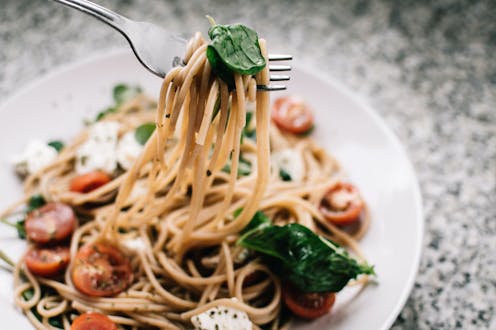
New year, new you, new diet. It’s a familiar refrain. One popular dieting technique is to create a food blacklist. Quitting “carbs” or packaged foods is common, which can mean avoiding supermarket staples like pasta.
But do we really need to ban pasta to improve our diets?
This is what we call a reductionist approach to nutrition, where we describe a food based on just one of its key components. Pasta isn’t just carbohydrates. One cup (about 145 grams) of cooked pasta has about 38g of carbohydrates, 7.7g of protein and 0.6g of fats. Plus, there’s all the water that is absorbed from cooking and lots of vitamins and minerals.
“But pasta is mostly carbs!” I hear you cry. This is true, but it’s not the whole story. We need to think about context.
Read more: I've indulged over the holidays. If I'm healthy the rest of the time, does it matter?
Your day on a plate
You probably know there are recommendations for how much energy (kilojoules or calories) we should eat in a day. These recommendations are based on body size, sex and physical activity. But you might not realise there are also recommendations about the profile of macronutrients – or types of food – that supply this energy.
Fats, carbs and proteins are macronutrients. Macronutrients are broken down in the body to produce energy for our bodies.
Acceptable Macronutrient Distribution Ranges describe the ratio or percentage of macronutrients that should provide this energy. These ranges are set by experts based on health outcomes and models of healthy eating. They aim to make sure we get enough, but not too much, of each macro. Consuming too much or too little of any type of food can have consequences for health.
The ratios are also designed to make sure we get enough of the vitamins and minerals that come with the energy in the foods we typically eat. We should get 45–65% of our energy from carbohydrates, 10–30% from proteins, and 20–35% from fats.
Read more: What is the 'carnivore diet' and is it a bad idea?
Mangia pasta
Macronutrient ratios mean it can be healthy to eat up to between 1.2 and 6.5 times more carbohydrates in a day than protein – since each gram of protein has the same amount of energy as a gram of carbohydrates.
The ratio of carbs to protein in pasta is 38g to 7.7g, which equates to roughly a 5:1 ratio, well within the acceptable macronutrient distribution range. Meaning pasta actually has enough protein to balance with the carbohydrates. This isn’t just because of the eggs in pasta either. Wheat is another source of protein, making up about 20% of the proteins eaten globally.
If you are worried about the calorie levels and weight gain, that’s not so simple either.
In the context of an otherwise healthy diet, people have been shown to lose more weight when their diet includes pasta regularly. And, a systematic review of ten different studies found pasta was better for post-meal blood glucose levels than bread or potatoes.
Instead of quitting spaghetti, consider reducing portion sizes, or switching to wholegrain pasta, which has a higher fibre content which has benefits for gut health and can help you feel fuller longer.
Gluten-free pasta has slightly less protein than wheat pasta. So, despite being healthier for people with gluten intolerance, there are no increased health benefits in switching to gluten-free pasta for most of us.
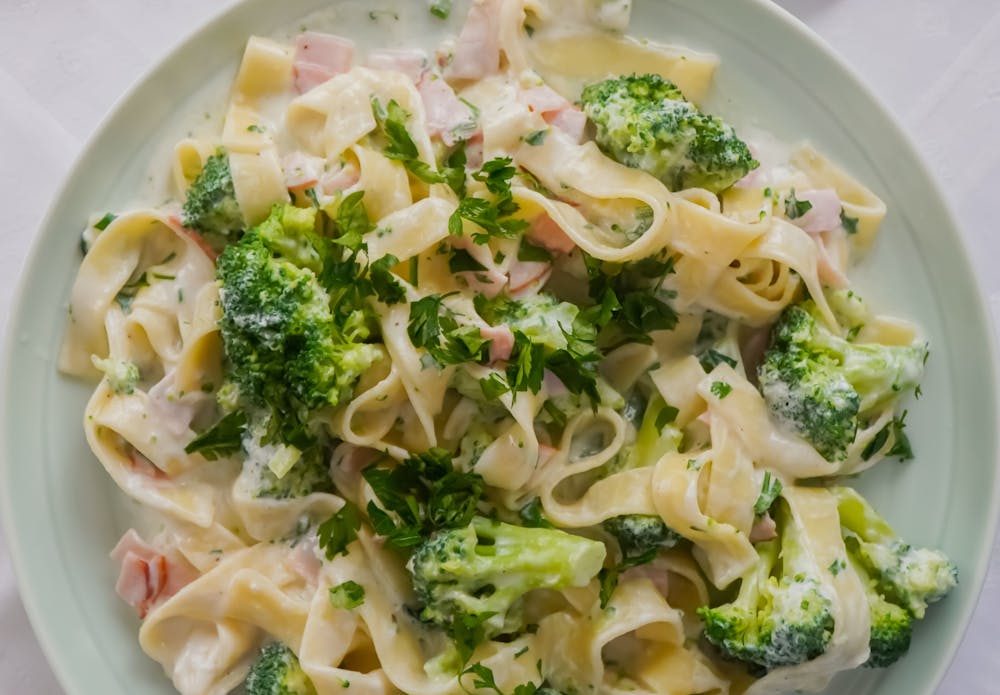 Pasta really is better the next day. Leftovers are lower in calories when cooled and reheated.
Unsplash, CC BY
Pasta really is better the next day. Leftovers are lower in calories when cooled and reheated.
Unsplash, CC BY
Read more: No, serving sizes on food labels don't tell us how much we should eat
Pass the pesto and the leftover bolognese
Pasta is also not typically eaten alone. So, while some warn about the dangers of blood sugar spikes when eating “naked carbs” (meaning just carbs with no other foods), this typically isn’t a risk for pasta.
When pasta provides the base of a meal, it can be a vehicle to help people eat more vegetables in smooth or chunky vegetable sauces. For kids (or fussy adults) pasta sauce can be a great place to hide pureed or grated vegetables.
Not eating pasta alone is also important for the protein profile. Plant foods are typically not complete proteins, which means we need to eat combinations of them to get all the different types of amino acids (the building blocks of proteins) we need to survive.
But pasta, even though we often focus on the carbs and energy, packs a good nutritional punch. Like most foods, it isn’t just macronutrients it also has micronutrients.
One cup of cooked pasta has about a quarter of our daily recommended intakes of vitamins B1 and B9, half the recommended intake of selenium, and 10% of our iron needs.
The news for pasta gets even better when we eat it as leftovers. When pasta is cooked and cooled, some of the carbohydrates convert to resistant starch. This starch gets its name from being resistant to digestion, so it contributes less energy and is better for blood sugar levels. So, your leftover pasta, even if you reheat it, is lower in calories than the night before.
 Pasta offers more in nutritional terms than some other ‘carb’ foods.
Unsplash, CC BY
Pasta offers more in nutritional terms than some other ‘carb’ foods.
Unsplash, CC BY
Look a little closer at ‘carb’ choices
There is a lot of talk about reducing intakes of carbohydrates for weight loss, but remember carbs come in different forms and in different foods.
Some of them, like pasta, bring other benefits. Others like cakes and lollies, add very little else. When we talk about reducing intake of refined carbohydrates, think first of sweets that are eaten alone, before you cut the staple carbohydrates that are often served with vegetables – arguably the healthiest core food group!
Read more: Health Check: how to work out how much food you should eat


