

Future diets will be short of micronutrients like iron — it’s time to consider how we feed people
- Written by The Conversation
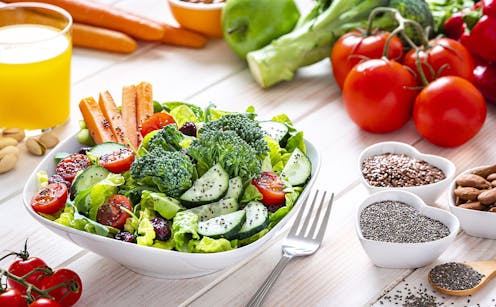
Iron deficiency is one of the most common forms of nutrient deficiency around the world.
Severe iron deficiency, also known as anaemia, affects nearly 50% of women of reproductive age in regions like South Asia, Central Africa and West Africa (in contrast to 16% of women in high-income countries).
In New Zealand, 10.6% of women aged 15-18 and 12.1% of women aged 31-50 suffer from iron deficiency. The risk increases during the third trimester of pregnancy, and the iron status must be carefully monitored to ensure good health for both the mother and baby.
As more people consider switching to plant-based diets, the risk of iron deficiency will likely increase.
Our modelling of nutrient availability in current and future global food systems also suggests we can expect a gap in dietary iron by 2040 if global patterns of food production and supply remain unchanged.
This means we’ll have to address iron shortfalls in our diet, especially in populations with higher requirements such as adolescents and women. We argue that fortifying foods with iron could provide a one-stop solution to bridge nutrient gaps caused by inadequate dietary intake.
Read more: Low iron is a health risk made worse by COVID. How to get more without reaching for supplements
Food fortification
Many foods in supermarket shelves, including common staples such as bread and cereals, already have added nutrients.
Unlike mandatory iodine and folic acid fortification of bread, there is currently no government initiative to encourage or mandate iron fortification in New Zealand.
Since iron-fortification strategies have the potential to prevent deficiencies in many countries, including New Zealand, we argue that introducing iron to our foods may be a convenient and cost-effective way to provide a source of dietary iron.
Shift to plant-based diets
More consumers are opting for diets that include fewer animal-sourced foods in the hope of reducing environmental impacts and emissions. Recent statistics show a 19% increase in the adoption of vegan and vegetarian diets among New Zealanders from 2018 to 2021.
Considering these plant-based diets for a sustainable food system must involve conversations about nutrient availability. Plant foods often contain high amounts of fibre and phytates, which reduce the body’s capacity to absorb the iron.
Iron in plant foods such as whole grains, nuts, seeds, legumes and leafy greens is known as non-heme and is less readily absorbed than heme iron in animal-sourced foods. In a mixed diet, consisting of vegetables, grains and animal-sourced foods, the consumption of some red meat, fish or poultry facilitates non-heme iron absorption.
Read more: What to drink with dinner to get the most iron from your food (and what to avoid)
Fortification can be a potent strategy in helping people to shift towards plant-based diets by enriching these diets with nutrients that would otherwise be lacking.
A recent study investigating this potential revealed that fortifying foods with essential micronutrients, including iron, enables a more gradual dietary adjustment. Consumers wishing to adopt more plant-based diets without compromising nutrient adequacy may find this approach helpful.
However, there’s a caveat. These iron-fortified foods often contain wheat or cereal-based ingredients, which can act as iron absorption inhibitors. As these are common breakfast foods that may be consumed with a morning coffee or tea, the inhibition effect may be even stronger due to the presence of phenolic compounds in these beverages.
One solution could be to eat iron-rich plant foods with foods high in vitamin C, such as orange juice, which helps to convert iron to a more absorbable form.
Is NZ ready for iron-fortified foods?
Although fortified foods can offer great benefits in tackling iron deficiency, some consumers are hesitant to include these foods in their diets.
Food Standards Australia New Zealand (FSANZ), a government entity responsible for developing food regulations for both nations, found many consumers had second thoughts about reaching for fortified foods, viewing them as unnatural, processed and less healthy.
This hesitancy was particularly evident when it came to non-mandatory fortifications. Added vitamins and minerals in breakfast cereals or, more recently, in plant-based milks and meat alternatives, are examples of non-mandatory or “voluntary fortification”. Consumers often perceive this as a marketing tactic rather than a health-promoting intervention.
Given the importance of adequate dietary iron intake and the projected shortage in dietary iron, it is crucial to evaluate the benefits of fortification. Educational interventions such as promoting awareness of iron deficiency and positive impacts of fortification may help improve consumers’ acceptance of these initiatives.


