News Daily

The Times

Australia

  • Written by The Conversation
50 years ago when the Middle East was at war, oil prices skyrocketed. But it probably won't happen this time.

Global oil prices jumped after Israel declared war on Hamas in response to its unexpected attack on Israel on Saturday, the eve of the 50th anniversary of the 1973 Arab-Israeli War.

Back then, between late 1973 and early 1974, the world oil price almost quadrupled after the United States offered financial support to Israel in the Arab–Israeli War. The Organisation of Arab Petroleum Exporting Countries cut off oil exports to nations including the US, the United Kingdom, Canada and Japan.

Could it happen again? Although it has been said that history doesn’t repeat, but it rhymes, the answer is almost certainly no.

While there are uncanny similarities between the events of 1973 and today, there are more important differences.

This time it’s different

The 1973 war pitted Israel against two oil-producing nations: Egypt and Syria.

When the US offered support to Israel, the Organisation of Arab Petroleum Exporting Countries instituted an oil embargo, followed by a series of production cuts that pushed up world price of oil.

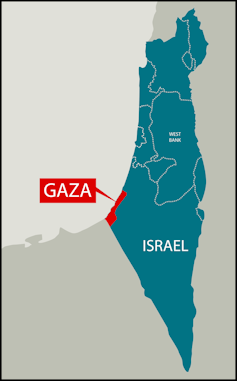
This 2023 war pits Israel against Hamas, the Islamist group that controls the tiny Gaza Strip, hemmed in by Israel, Egypt and the Mediterranean Sea.

Shutterstock Neither Gaza nor Israel produces much oil. The price increase has been short-lived It is possible that the oil-rich nation of Iran could become involved in the conflict. It is rumoured to have helped plan the Hamas attack, although its Supreme Leader, Ayatollah Ali Khamenei has denied Iran’s involvement. It is also possible that petroleum-exporting nations might cut supplies in a show of support for Hamas. But there is no current reason to believe this will happen, and there has been relatively little movement in the petroleum price. When Russia invaded Ukraine in 2022, the price of Brent crude jumped 15% from around US$95 per barrel to US$110. Russia had been the world’s third-biggest oil producer, pumping out about 10% of the world’s supply. In contrast, the Brent crude price closed on Friday (before the Hamas attack) at around US$84. It climbed to US$88 on Monday, then fell back to US$86 – well below even last month’s peak of US$94. Why was there an increase at all? Not every spike in oil prices is due to a shortage of supply. My research shows how jumps in demand can also play a role. These can be further categorised as “precautionary demand” and “speculative demand”. Precautionary demand is the demand for extra oil to hold in reserve, in case supply tightens. Speculative demand comes from investors expecting to profit from further price rises. Both push up the oil price. The good news is that both effects should be relatively short-lived, unless the unexpected happens. In this case, the effects so far have been small. Read more: No hike yet, but what happens on Melbourne Cup Day depends on petrol What would happen if prices did take off? As a relatively small and open economy, Australia would suffer from higher import prices if the price of oil surged. But research suggests the type of price hikes we’ve seen so far would have only a small impact, even if the price rises were sustained. The Hamas-Israel war pushed up oil prices by less than 5%, for about a day. If the 5% increase had been sustained, the research suggests Australia’s inflation rate would have been (at most) 0.3 percentage points higher, Australia’s GDP would have been about 1% lower and Australia’s real exchange rate would have been 2% lower. This means Australia’s Reserve Bank will be watching oil prices closely, but if the price remains stable (or at least no more unstable than it has been) the war is unlikely to prompt the bank to move interest rates.

Read more https://theconversation.com/50-years-ago-when-the-middle-east-was-at-war-oil-prices-skyrocketed-but-it-probably-wont-happen-this-time-215523

When Should You Speak to Bankruptcy Lawyers About Debt Problems?

Debt problems rarely appear without warning, yet many people wait far longer than they should before seeking legal advice about their situation. By the time the decision is made to consult with bankruptcy lawyers, the available options are often more... Read more

Top Electrical Safety Tips from Inner West Sydney Electricians

While it may not be the most exciting subject to discuss, having an electrically safe home is definitely one of the most critical. Knowing the basics could help you avoid accidents and ensure your home remains in good condition, whether... Read more

When to Escalate a Debt Recovery Matter to Legal Action

Knowing when to transition from informal debt collection efforts to formal legal proceedings is a decision that many creditors find difficult to navigate. Acting too early can damage commercial relationships, while waiting too long can reduce the likelihood of recovery... Read more

Why Slurry Hose Systems Are Essential for Handling Abrasive Industrial Materials

Transporting abrasive mixtures is a common challenge in industries such as mining, dredging, and construction. These mixtures, known as slurry, consist of solid particles suspended in water or other liquids. Moving slurry through pipelines requires specialised equipment that can withstand... Read more

Why Choosing the Right Dental Clinic Matters for Long Term Oral Health

Maintaining good oral health requires regular checkups, preventive care, and professional treatment when needed. Visiting a trusted Dental Clinic plays a vital role in keeping teeth and gums healthy while preventing more serious dental problems in the future. Many people only... Read more

Is Deep Plane Facelift Safe in Thailand?

When you ask whether a deep plane facelift is safe in Thailand, you’re really asking: “Can I get high-quality surgical care with strong safety standards and reliable follow-up while I’m traveling?” That’s a smart question. But the country name alone... Read more