

A trip to the coast, a dip in the pool, and a snow-chilled drink: how ancient Romans kept cool in summer
- Written by The Conversation
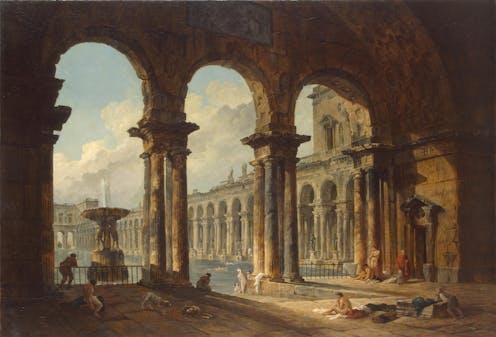
The dog days of summer are upon us. Or so the ancient Romans named the dies caniculares that followed the rise of the “dog star” Sirius which the ancients believed to signal the oncoming sweltering heat and drought of summer.
As succinctly summarised by Stoic philosopher Seneca the Younger “summer returns, with its heat; and we must sweat”.
Summer is that time of year in which the soporific heat of the sun reverberates down upon bodies languorously lying out in the open air of the public pool, park or beach, a cold drink in hand as one tries to beat the heat.
These summer rituals and attempts to stay cool are not unique to us. Such traditions can be traced back thousands of years to the ancient Romans.
A trip to the coast
Like many Australians who flock to the coast and seek solace from the heat of the city streets over the summer, the ancient Romans (those who could afford it) escaped to their vacation villas at the coastal hotspots situated along the southern Italian peninsula.
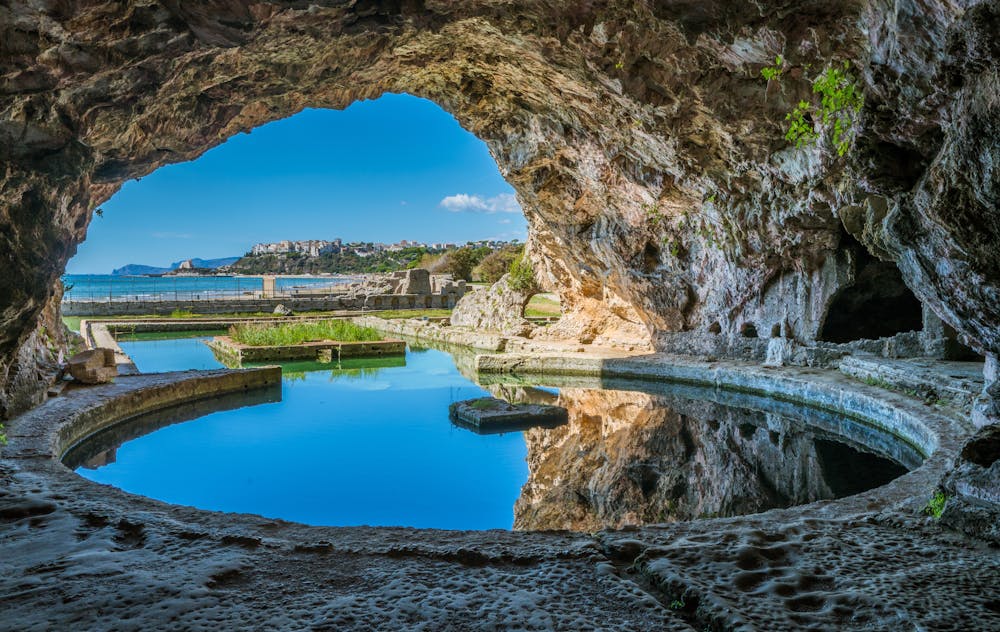
These summer homes signalled an increase in luxury and wealth among a rapidly growing Roman upper class during the early first centuries BCE and CE. The coast became the go-to destination spot and social pleasure ground for the wealthy who sought leisure and licentiousness during their annual holidays.
These coastal villas were invariably constructed for the pleasures of the Roman elite, ingeniously designed to follow a series of architectural principles to generate maximum airflow and help the inhabitants stay cool during the blistering heat of summer.
In his architectural treatise, Vitruvius noted houses should be built “in reference to the sun’s course” with rooms occupied during the summer months following a northern or northeastern aspect to avoid the oppressive heat but still allow maximum light and comfort.
Read more: From washing machines to computers: how the ancients invented the modern world
A dip in the pool
As they are for many of us during summer, public baths were an integral part of everyday life in ancient Rome. This social practice originated sometime during the middle republic (roughly the 3rd and 2nd centuries BCE), becoming an essential daily routine for those at almost all levels of society and intrinsic to the fabricated design of the city.
Roman baths afforded a shared space for social interaction, the rooms humming with the titillations of current gossip and news shared among friends, as well as offering a commonplace location for social networking, drinking and relaxing, and engaging in various exercises in the pursuit of health.
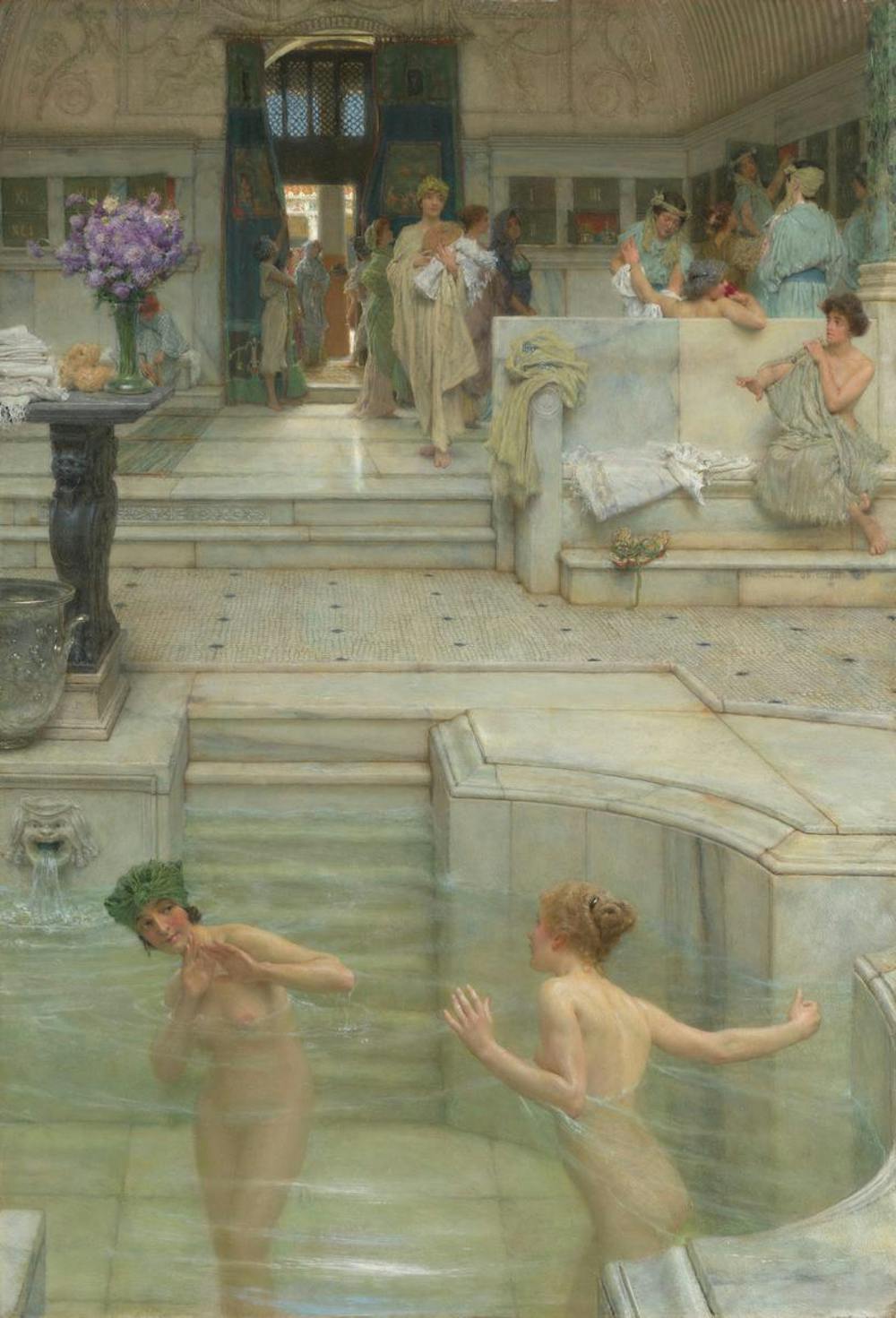 Public baths: great for keeping cool – and sharing gossip.
Tate, CC BY-NC-SA
Public baths: great for keeping cool – and sharing gossip.
Tate, CC BY-NC-SA
This social mingling was not without its annoyances. In a fit of moral angst, Seneca the Younger proclaimed against “the enthusiast who plunges into the swimming tank with unconscionable noise and splashing” – this vexatious figure perhaps not unfamiliar to those of us who frequent the local pool.
A body fit for summer
Seneca further complained that his contemporaries lived in a state of excessive luxury by requiring the ability to swim and tan concurrently.
The Romans were no strangers to the ostentatious social currency of the summer tan. In an epigram addressed to one of his patrons embarking on a summer vacation, the poet Martial mirthfully implored him to “inhale the fervid rays of the sun at every pore” so his “pale-faced friends” would “envy the colour” of his tan.
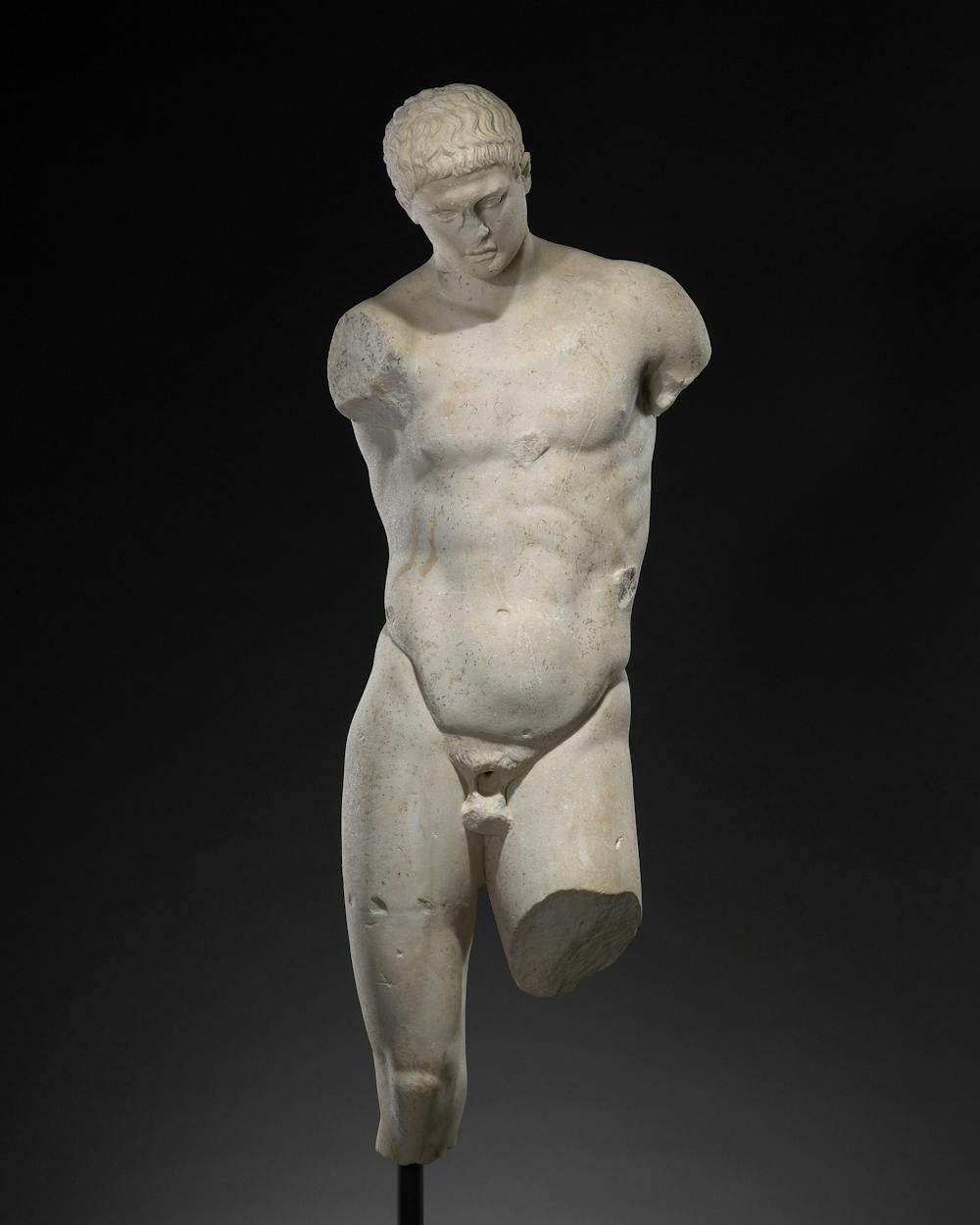 Even ancient Romans strove for a ‘summer body’.
Getty Museum
Even ancient Romans strove for a ‘summer body’.
Getty Museum
The arrival of summer invariably brings to mind the perennial cultural fixation of the “summer body”: impeccably groomed, sun-kissed and surreptitiously toned. Like us, ancient Romans had the option of attending the public baths for a bit of exercise, followed by a steam, sauna and hot water swim, finished off with a refreshing swim in the cold pools of the frigidarium.
Optional was a dose of depilation: body hair removal was all the rage for much of the Roman Empire and was offered at the public baths, along with massages and body oiling.
A nice cool drink
Presentations of luxury extended into other summertime proclivities such as imbibing chilled or frozen drinks. The Romans concocted the summertime favourite of an iced drink – a “device of ingenious thirst” – by storing snow in underground chambers.
Certain varieties of wine were also chilled or watered down with frozen snow.
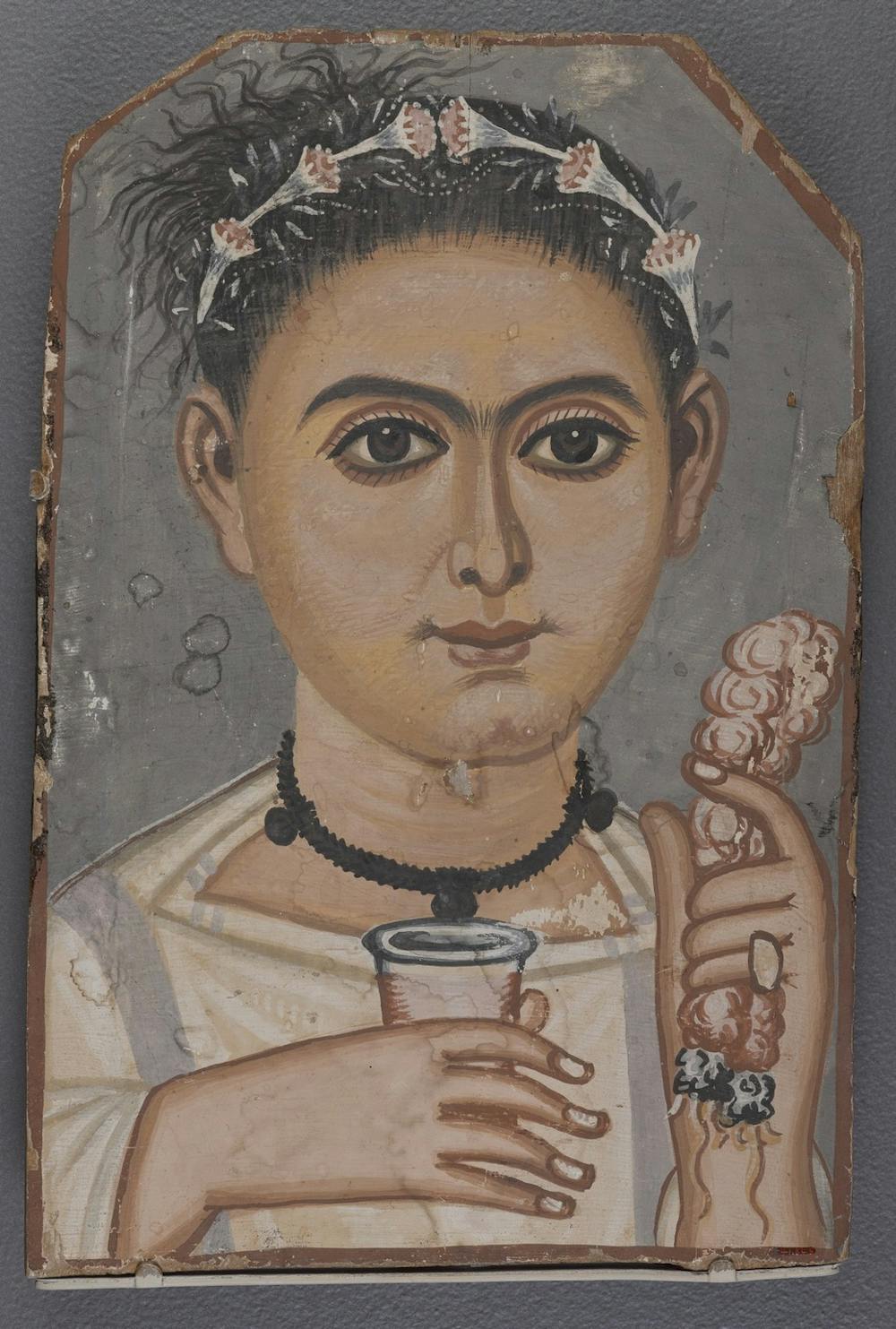 Perhaps the boy in this painting from ca. 200-230 C.E. was having a nice cool summer drink?
Brooklyn Museum
Perhaps the boy in this painting from ca. 200-230 C.E. was having a nice cool summer drink?
Brooklyn Museum
Writers such as Vitruvius and Seneca noted that this penchant for iced drinks was a signifier of excessive opulence and wealth. Indeed, as a symbol of his performative grandeur, the Emperor Nero not only consumed cold drinks but was purportedly accustomed to baths cooled with snow during the summer.
Cold water was thought to be medically beneficial for those suffering in the heat. Roman encyclopaedist Celsus recommended those who suffered from a “weak head” in the sun to run it under a stream of cold water.
While you lay by the pool working on your summer tan, or perhaps gossip with a friend over an icy drink at your beach side vacation spot, know you are engaging in time-honoured traditions dating back thousands of years. This summer, let’s do as the ancient Romans did. Frosé, anyone?


