

Real comedy, real trauma: how Baby Reindeer and Feel Good are forging a new television genre
- Written by The Conversation
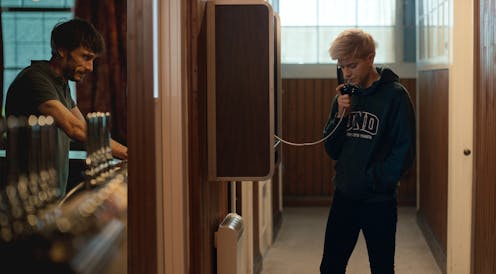
Comedy is opening up spaces for silences to be broken and trauma stories to be told.
In 2018, Hannah Gadsby started a revolution with Nanette, asking audiences to rethink what comedy was for. In the hour-long stand-up act, which touched on their life and experiences growing up in Tasmania, Gadsby offered a mandate to comedians to tell truths and, if needed, to seek reparation for trauma.
Other comedians have followed suit. Bo Burnham’s excellent TV special Inside (2021), filmed during the COVID pandemic, is a dark experimental comedy exploring mental health and isolation through songs, stand-up and social commentary.
Stand-up comedy has always been autobiographical, but now a new generation of comedians are adapting their lives (or versions of them) into scripted series. Mae Martin’s Feel Good (2020–21) and Richard Gadd’s Baby Reindeer (2024) offer us particularly potent examples of when trauma and comedy intersect – “traumedy” – and how comedians are using autofiction to explore these dark stories.
The autofictional self
Autofiction represents real events from the author’s life, but blends in fictional elements. The fiction might be useful for creative or narrative effect, or for protecting identities.
In Feel Good, Martin plays a version of themselves, also named Mae. They face and process addiction, realising their severe mental health issues and addiction are results of grooming and abuse they suffered as a queer teenager in the Toronto comedy scene. They build a romantic relationship with George (Charlotte Ritchie), a young woman who is not yet “out” to her loved ones.
Despite its often dark subject matter, Feel Good is awkwardly hilarious and effortlessly charming. Humour is found in Mae’s interactions with eccentric side characters: their sponsor who “teaches meditation to dogs”, a hat-wearing oddball housemate, and Mae’s well-meaning but unfiltered mother.
Episodes also frequently feature Mae’s unique brand of stand-up. In the first episode they joke, “I feel like I’m full of birds… like pelicans? Like very greasy pelicans in my chest.” The only person in the audience to laugh is George.
Baby Reindeer is a thriller set across bars and comedy clubs of London and at the Edinburgh Fringe Festival. Aspiring comedian Donny (a version of Gadd) is being stalked by Martha (Jessica Gunning) while he processes previous sexual abuse inflicted by a trusted mentor from the comedy world. It is a chilling and deeply compelling account of layered trauma.
Aspects of the comedy are overtly funny. Martha’s character, with her crude sexual humour and misspellings, and the seemingly hapless Donny’s ill-received “anti-comedy” (featuring weird props and crass blue humour) provide laugh-out-loud moments. The comedic tone provides structure for Gadd’s exploration of traumatic memories.
The power of uncomfortable truths
There is strength in both Martin and Gadd’s honesty. Working with autofictional characters, they could choose to present idealised selves. Instead they chose flawed portrayals.
In Baby Reindeer, Donny lies frequently about his identity and motivations. He exposes the people he loves to danger. In Feel Good, Mae lies, steals and runs from problems.
They are categorically not perfect victims.
There is power in illuminating how traumatised individuals can make confusing or seemingly irrational choices.
At the end of Baby Reindeer, Donny visits his former mentor and makes an unexpected choice. On this controversial scene, Gadd told GQ Magazine he wanted to show
an element of abuse that hadn’t been seen before […] the deeply entrenched, negative, psychological effects of attachment you can sometimes have with your abuser.
This is similar to the ending of Feel Good, when Mae tearfully confronts their abuser Scott (John Ross Bowie). Mae and Scott end up saying they love each other – and Mae also vows never to see him again.
Though presented within broadly comedic shows, these scenes are unflinching portrayals of traumatised individuals. They resist relying on humour to break the tension. Jokes come before and after, but rarely during, true moments of horror and heartbreak.
The contrast provided by this approach may give audiences emotional whiplash, further emphasising the complex landscape of trauma.
Scholars from psychology and literature and humour studies have considered the ways in which humour might be restorative for both the artist and the audience.
Autofictional traumedies experiment with the potential and limits of comedic representations of trauma.
The ethics of traumedy and audience input
Martin told The Guardian strangers approach them on the street and ask “intimate questions”.
“They feel like they really know me. And the mad thing is they kind of do,” they said.
Social media were dominated by viewers noting their distress and tears while watching Baby Reindeer.
This distress could be a form of vicarious trauma, deep empathy or relatability. Creators of these works bear some responsibility for pre-empting and managing such audience reactions: Baby Reindeer provides viewers with content warnings and links to support services.
This collision of comedy and trauma is as complex in dark comedy clubs as it is on our home televisions. While comedians and viewers are not sharing a physical space such as a comedy club – which might have an urgency and a sense of not being able to escape for the audience – comedians are instead inside viewers’ homes.
While the television format allows audiences to consume traumatic stories at their own pace, many viewers have noted it still feels hard to look away or switch off. Indeed, many struggle to leave the comedians and their story after the screen goes dark – as the internet sleuths seeking Martha have demonstrated.
Where to from here?
Comedians are, by trade, good storytellers. By highlighting the comedy industry as a volatile and transformative setting Martin and Gadd use both real and televised stages as places of interrogation, confession and redemption.
During a self-destructive period in the second season of Feel Good, the Mae character asks their audience, “Do you want to talk about my personal despair?” The audience cheer in response.
Autofictional traumadies are sites of experimentation and we – writers, audiences and researchers alike – are learning as we go.


