

Flu vaccines are no longer free for all under-12s in NZ – children living in poverty and at higher risk will bear the brunt
- Written by The Conversation
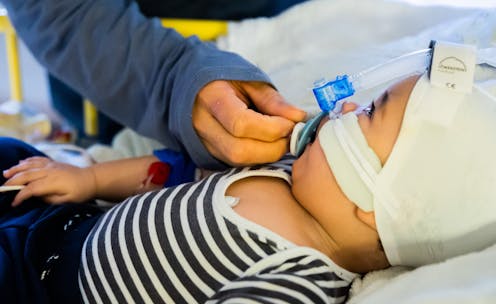
New Zealand’s decision to no longer offer free influenza vaccines for all children under 12 will likely wipe out recent gains in uptake. And it will disproportionately affect those living in deprived areas and with a high risk of disease.
Influenza accounts for more than half of all potentially vaccine-preventable hospitalisations of children under 14 in New Zealand. But those living in poorer areas are three times more likely to be hospitalised due to a lung infection.
Health New Zealand recommends annual vaccination for all children from the age of six months. During the 2022 winter season, New Zealand’s medicines funding agency Pharmac made flu vaccines free for all children aged three to 12. In 2023, this was extended to start at six months of age.
But in 2024, the funding was cut back to the previous criteria. This means only children with a history of significant respiratory illness, certain long-term medical conditions, or those hospitalised for any respiratory illness when aged under four are eligible for free vaccines.
We compared how many New Zealand children received the flu vaccine before (2018-21) and during (2022-23) universal funding and found substantially higher uptake when vaccines were free.
A step backwards
In 2018, before the COVID pandemic and free influenza vaccines for all children, only 4.4% of those under five received the vaccine. The uptake was lower in tamariki Māori (1.9%) and Pacific children (3.1%).
Flu vaccine uptake increased in 2020, likely because of general concern about respiratory illness during the first year of the COVID pandemic. But it declined again in 2021 to below 2018 levels.
Following universal funding in 2022, uptake almost tripled for under-fives (4.4% in 2018 to 12% in 2023). However, there were substantial differences by ethnicity. Uptake was highest in Asian children (21.3%) and lowest in Pacific children (8.0%) and tamariki Māori (4.9%).
The trends by age group give some insight into the impact of funding. In 2022, uptake increased more than two-fold in age groups where all children were eligible for free vaccines. In 2023, we saw a three-fold increase in uptake in the only newly eligible age group (six to 12 months). Overall, 12% of children of all ages except the oldest (nine to 12) were vaccinated.
Focusing flu vaccination funding only on those at the highest risk is a step backwards for New Zealand and will likely reduce uptake. In contrast, Australia has funded flu vaccines for all children aged six months to five years since 2019.
Influenza in children
Acute respiratory hospitalisations from any cause are almost three times higher in New Zealand than in comparable countries. A recent report shows influenza accounted for 56% of all potentially vaccine-preventable hospitalisations between 2016 and 2020 in children under 14 years. This is more than varicella, measles, whooping cough and meningococcal disease combined.
It is not just children with medical conditions who get severely sick from influenza. In Australian children under five, less than half of those hospitalised due to influenza had long-term medical conditions, although these children were more likely to require intensive care.
While deaths from influenza are rare in children, over half of US children who died from it during the 2023-2024 winter season were previously healthy.
Vaccination remains the best protection
The effectiveness of the influenza vaccine varies from season to season, depending on circulating strains and how well that year’s vaccine is matched. But vaccination remains the main way to protect against severe influenza.
Studies in children found the influenza vaccine reduces the risk of hospitalisation by about 50%, and even higher for some influenza strains and years.
Studies in countries comparable to New Zealand (UK, Italy and Finland) looking at the cost effectiveness of flu vaccines found universal funding to be highly cost-effective compared with a high-risk approach.
In 2024, Pharmac stated:
We considered widening access to the flu vaccine […] we would like to fund in the future, depending on available budget.
In contrast, the comparable Australian advisory committee concluded in 2019 that universal influenza vaccination for children under five met its cost-effectiveness criteria.
Where to next
Influenza causes more illness in young children, including severe disease requiring hospitalisation, than we generally recognise. An age-based universal programme would almost certainly result in substantially higher uptake, including in higher-risk children, than a targeted approach.
We believe the high and inequitable burden of influenza in young New Zealand children and the low cost of influenza vaccines, compared to other vaccines currently funded, should prompt urgent reconsideration of universal funding, at least for children below the age of five.
If universal funding is not considered affordable in the Pharmac budget, the case for restoring free vaccines for all Māori and Pacific children is strong given their high burden of disease.
As for the influenza immunisation programme in general, it is not just about funding. We must engage with the community to raise awareness of the severity of flu in children and the effectiveness and safety of vaccines, along with improving access to immunisation services.
We would like to acknowledge the contribution from colleagues Ewan Smith and Emily Dwight.


