

A burnt-out health workforce impacts patient care
- Written by The Conversation
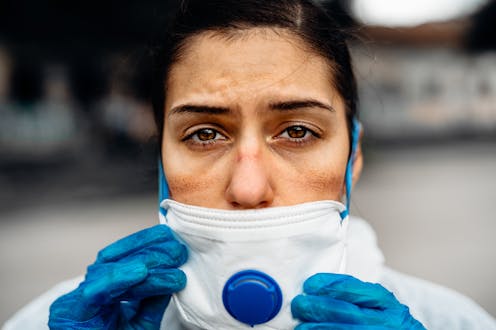
Throughout the pandemic, we’ve heard much about health-care worker burnout. But what we haven’t heard much about is its effects on patients.
Even before the pandemic, health workers were grappling with long hours, high workplace demands, staff shortages, and limited resources. The culture of health-care values selfless dedication and around-the-clock availability, yet this risks both health-care workers’ health and the quality and safety of patient care. The pre-existing cracks in the system have widened during the pandemic.
Our survey of more than 9,000 health-care workers during 2020 found 71% experienced moderate to severe burnout. And the workforce continues to experience the pressures of the pandemic.
Read more: Burnout in healthcare staff is common -- and can make empathising with patients difficult
What exactly is burnout?
The World Health Organisation says burnout results from chronic workplace stress that has not been successfully managed, and is characterised by:
feelings of energy depletion or exhaustion
increased mental distance from one’s job, or feelings of negativity or cynicism related to one’s job
reduced professional efficacy.

Burnout is linked to moral distress, which occurs when health-care workers feel they cannot deliver the care they are trained to provide. Our participants talked about the emotional distress they experienced as patients died alone, the deficiencies in aged care, and their worries about whether health-care resources would be rationed.
What are its consequences?
The sustained and prolonged stress of the pandemic is taking its toll. Clinician burnout and workforce shortages are linked, and they have been listed as the biggest threats to patient safety in the United States in 2022.
Staffing shortages lead to patients having to wait longer for health care, even in life-threatening emergencies with potentially fatal outcomes, or being turned away. Patients have long wait times just to be triaged in emergency departments, with some deciding to leave instead of wait.
A review of nursing studies reveals burnout, particularly emotional exhaustion, is associated with poorer quality and safety of care. This review cites studies finding nurses and patients negatively rate the care provided when nurses are burnt out; along with adverse outcomes including medication errors, patient falls, increased infections, and even increased mortality in one study.
A participant in our survey said:
I’m burnt out. The impact of COVID has affected my empathy. I feel like best practice is unachievable and that there are so many barriers to providing care.
Read more: Doctors look after our mental health but who looks after theirs?
Burnout has implications for the whole workforce. Health-care workers who are burnt out may reduce their hours of work, quit their jobs, or retire early. These unnecessary staff reductions contribute to workforce shortages, meaning less staff available to provide care to the patients and increased pressure on those clinicians left behind.
Health-care workers are not easily replaced and the education and training of our highly skilled workforce is a substantial investment in quality patient care. This is why we must ensure health-care organisations have strategies to support and promote staff well-being and retain their staff.
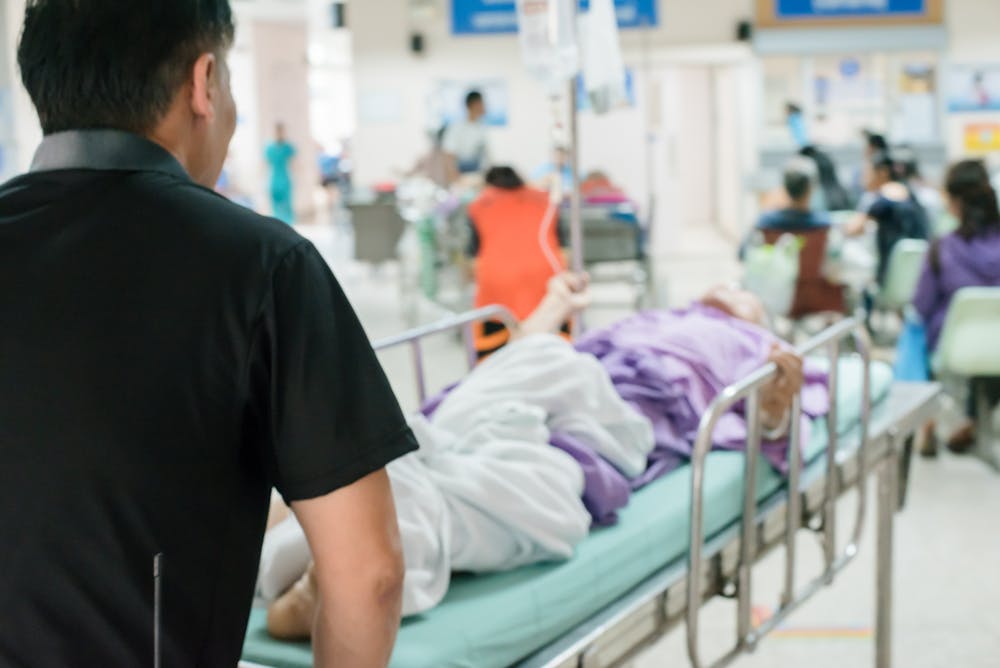 Health-care workers are not easily replaced.
Shutterstock
Health-care workers are not easily replaced.
Shutterstock
What has to happen to reduce burnout?
Even during times of crisis, burnout is not inevitable. Through our research we heard from health-care workers who felt connected, engaged, and able to do their jobs well despite the increased demands of the pandemic. The secret to avoiding burnout was not “individual resilience” – health-care workers are already a highly resilient group – nor tokenistic gestures of support.
One emergency department nurse in our survey told us her managers told staff to “watch [their] mental health” and threw them a pizza party, which she described as “the equivalent of throwing a Band-Aid over a haemorrhaging artery”.
Burnout is an occupational issue needing organisational change. It requires a commitment from organisations and leaders to deliver safe, healthy and caring workplaces.
Practical supports to improve staff well-being include proactive strategies that ensure a work culture of respect and kindness, removal of stigma and feelings of guilt if staff need to take time off to support their mental health, and debriefing and peer support programs.
Frontline health-care workers in our survey asked for workload management strategies to reduce burnout, such as:
“compulsory leave days to prevent burnout” or “burnout leave”
sufficient staffing with “workload flexible hours to prevent burnout”
“prioritising leaving on time/taking leave to ensure health-care workers are well rested and avoid burnout”.
Staff also need workplaces free from patient and visitor abuse, so hospitals need to have good policies for preventing occupational violence.
The pandemic is not over yet, and it won’t be the last health crisis we face. We can’t afford to lose caring and dedicated health-care workers to burnout. Investing in safe and healthy workplaces is an investment in the quality of patient care.
Read more: You should care about your doctor's health, because it matters to yours
Read more https://theconversation.com/a-burnt-out-health-workforce-impacts-patient-care-180021


