

Why are some Australian students having to pay to do PE at public schools?
- Written by The Conversation
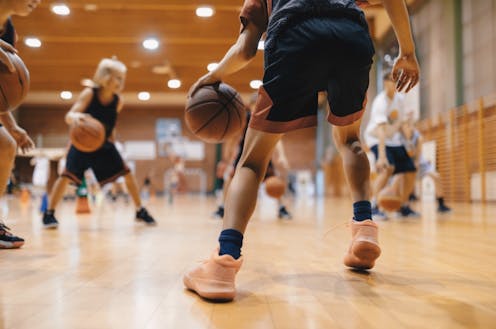
Health and physical education is one of the key subjects students learn at school. In Australia it is mandatory for students from the first year of school to Year 10.
It involves theory and practical components to help students manage their health and wellbeing. This includes healthy eating habits, sexual health, cyber safety and mental health. It also incorporates fundamental movement skills (such as throwing and catching), sports (such as swimming, gymnastics and football) and team-building.
Because it is a core, compulsory part of the curriculum it is supposed to be free for students at government schools. But our research shows some students are being asked to pay – and those who cannot are missing out.
Our research
In our recent study, we looked at the staffing and delivery of health and physical education in New South Wales government schools.
We surveyed 556 schools, which make up about 30% of public schools in the state. This included primary and high schools with a mix of locations and levels of advantage.
We used an online survey, which was completed by the teacher in charge of health and physical education.
Many schools are outsourcing lessons
We asked survey respondents who was teaching health and physical education to students at their schools. Some schools were using more than one option.
For all schools: 67% were using external provider, 44.5% were using a specialist teacher and 55.4% were using another teacher.
For primary schools: 78.4% were using an external provider, 17.9% were using a specialist teacher and 48% were using another teacher.
For high schools: 44.8% were using an external provider, 95.9% were using a specialist teacher and 69.2% were using another teacher.
Previous research has shown how schools outsource to external providers to “fill the gap” of teachers lacking confidence and competence to provide quality health and physical education lessons.
This study did not measure how frequent outsourcing was, however, comments from respondents suggests it is regular. For example, one teacher said: “a typical [outsourced] class would have one lesson a week for a term”.
Another teacher similarly said
one 40 min[ute] lesson per week. Company comes in with equipment and young university students to run different activities. They also assess our students for us.
Another teacher told us:
We use [company name], they offer different sports/programs that run for one lesson a week per term.
Families are being asked to pay
Of the schools who were outsourcing lessons, 78% of the schools outsourcing lessons said they were asking parents to help pay for these lessons.
One respondent told us, the costs were “A$45 for one term, $80 for two”.
Of this group, 64% reported students who did not pay did other school work (either for health and physical education or another core subject). About one fifth of schools said students that don’t pay just had to “sit and watch”.
This suggests some students are missing out on basic learning opportunities at school for financial reasons. As one teacher told us:
the school uses some off-campus sporting/gaming facilities that students can choose to pay extra for instead of free on-campus teacher run [activities].
Why is this a problem?
The outsourcing of health and physical education lessons comes in the middle of an ongoing teacher shortage in Australia and around the world.
A 2024 UN report estimates a global shortage of more than 44 million teachers, with many teachers teaching outside of their areas of expertise.
Specific shortages of health and physical education teachers have been noted for more than a decade.
However, outsourcing lessons away from qualified teachers, is a significant concern. Little is known about the external providers’ qualifications or quality. Unlike teachers, they are not subject to registration requirements or professional standards.
Even more concerning is some students are missing out on lessons or some components of lessons because their families have not been able to pay.
This links to wider concerns about unequal access to sport in the school system. This includes some private schools with new Olympic pools and boat ramps when other public schools don’t have access to council playing fields.
More research is needed
Our study suggests more research is needed. We need further information on staffing, outsourcing and lesson delivery in other areas of the country and in other subjects.
We need to be sure all students are being taught the core curriculum, free of charge and by qualified teachers – ideally specialists.


