

Trump has begun dismantling America’s diversity, equity and inclusion initiatives. Here’s why Australia may not follow suit
- Written by The Conversation
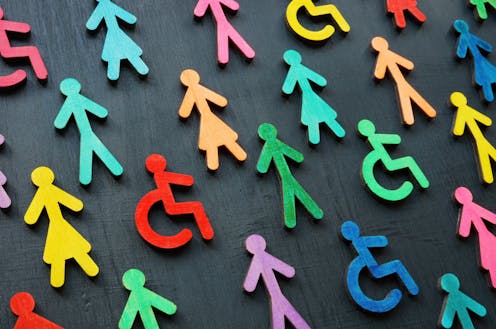
It’s been a significant day for diversity, equity and inclusion (DEI) programs in the United States.
Such initiatives are about providing equality of opportunity and a sense of being valued for all members of an organisation. But a backlash has been brewing for years, led by some familiar, newly emboldened voices on the right.
Now, freshly inaugurated US President Donald Trump has begun to dismantle them, announcing:
This week, I will also end the government policy of trying to socially engineer race and gender into every aspect of public and private life.
Trump has just signed a raft of executive orders that will end DEI programs within the federal government. He has also taken actions to proclaim as official US policy that there are only two genders, male and female.
Anticipating Trump’s return to office, many high-profile companies in the US had already announced a rollback of DEI initiatives – including retail giant Walmart.
Could this backlash spill over into Australia? We are seeing some signs of resistance to such initiatives already. Opposition Leader Peter Dutton certainly isn’t a fan of DEI.
There are, however, reasons to believe DEI will remain an important focus in Australian workplaces. Some major achievements have already been made, many now enshrined in law.
What is DEI?
It’s worth briefly explaining what we mean when discussing DEI’s three key components of diversity, equity and inclusion.
Broadly speaking, when we talk about diversity, we’re referring to the wide range of human differences.
In a work setting, that means focusing on the ways people are “different and yet the same” and ensuring different perspectives are heard.
Equity is about enhancing fairness of opportunity to achieve equal outcomes for everyone.
Inclusion is the degree to which people of all identities feel a sense of belonging and are valued for their uniqueness.
Collectively, DEI initiatives aim to maximise the benefits from diversity, remove barriers to equality of opportunity, and help individuals feel valued for who they are.
Why is DEI important?
There are two main schools of thought on why organisations should invest in DEI: the social justice case and the business case.
From a social justice perspective, proponents argue these investments have already made progress on many issues by providing employment and other opportunities for individuals from historically marginalised backgrounds.
The business case is that DEI initiatives are actually good for profit and performance. This has been the most prominent argument in the Australian corporate world.
The Diversity Council of Australia (DCA) makes a case that investments in DEI have brought a wide range of benefits.
Every two years, the DCA’s Inclusion@Work Index surveys 3,000 nationally representative workers in Australia. Its findings suggest that improving diversity and inclusion can tangibly increase innovation, enhance customer service, and improve employees’ wellbeing.
There are also significant reputational – and potentially financial – risks that may come with failing to address DEI concerns.
The push to dismantle it
The US backlash to DEI is nothing new, but came to a crescendo last year with Trump’s election victory.
Trump’s close ally, the billionaire Elon Musk, has also been unequivocal in his disapproval. Last year, Musk posted on his own platform X:
DEI is just another word for racism. Shame on anyone who uses it.
While Musk and Trump are some of the loudest detractors, the backlash has also been fueled by the authors of “Project 2025” and other influential voices on the right.
Project 2025 is a conservative policy wish list released in 2023 by the Heritage Foundation, a right-wing US think tank.
Its authors argue that by empowering those facing disadvantage, the “DEI revolution” has discriminated against conservatives and other groups.
They advocate for removing DEI’s influence in workplaces, educational institutions and society more broadly. They also want enforcement actions against organisations that engage in DEI.
Could there be backlash here?
Australia doesn’t suffer the same level of political polarisation as the US. But we could be headed in a similar direction.
One recent survey, for example, found 17% of Australians aged 16 and over believe gender equality is a “non-issue”.
Separately, an independent review commissioned by Rio Tinto into its workplace “Everyday Respect” agenda found that despite progress having been made, there was still some backlash to the social changes being undertaken in the organisation.
Written into law
In Australia, the significant progress we’ve already made could drive a sustained focus on DEI initiatives.
Respect@Work is one such example. This is a government initiative – backed by legislation – that supports individuals and organisations to better understand, prevent and address workplace sexual harassment.
Similarly, a focus on reducing psychosocial hazards (anything that could cause psychological harm) is now embedded in the work health and safety laws of all states and territories except Victoria.
Safe Work Australia’s code of practice specifically lists harassment due to personal characteristics as a potential psychosocial hazard.
These include age, disability, race, nationality, religion, political affiliation, sex, relationship status, family or carer responsibilities, sexual orientation, gender identity or intersex status.
In 2022, the federal government also introduced a new positive duty on organisations and businesses under the Sex Discrimination Act.
This requires them to actively foster a culture that is safe, respectful and inclusive, valuing both diversity and gender equality.
Merit or opportunity?
In his inauguration speech, Trump promised to “forge a society that is colour blind and merit-based”.
DEI practitioners and academics have long had concerns about “the myth of merit”, which is considered to perpetuate gender and other social inequalities.
The premise of the “myth of merit” is that what we perceive as merit is often the product of unequal opportunity. Those who miss out on such opportunities, due to systemic barriers and other life circumstances, will be decried as lacking in merit and denied its rewards.
In Australia, where important progress has already been made, organisations should resist the backlash and continue to focus on making workplaces safer and more respectful.
DEI is ultimately about making sure everyone has the opportunity to add value and belong, regardless of their individual identity.


