

A deadly bird flu strain is headed for Australia – and First Nations people have the know-how to tackle it
- Written by The Conversation
A virulent strain of bird flu continues to spread across the world. Australia, New Zealand and Pacific nations are the only countries free from the infection, but this will no doubt change.
Known as “Highly Pathogenic Avian Influenza” or H5N1, the bird flu strain had killed more than 300 million birds worldwide as of December last year, including both poultry and wild bird populations.
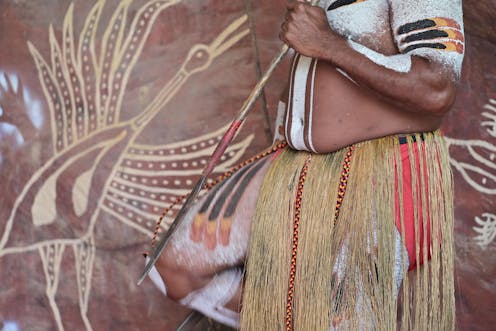
Birds have always been part of the cultures and livelihoods of Australia Indigenous people. They feature in songs and dance, and are used for food and customary practices such as ceremonies and craft. Many of these practices continue today.
To date however, Indigenous peoples have not been adequately included in federal government planning for the arrival of H5N1.
So what is the likely result? Agencies and organisations will be ill-prepared to support Indigenous people experiencing intense social and cultural shock. And the opportunity to draw from the strengths of Indigenous organisations to tackle this impending disaster will have been squandered.
What is H5N1?
First identified in Hong Kong in 1997, H5N1 has since spread globally.
H5N1 is a viral infection primarily affecting birds – both poultry and wildlife. As overseas experience has shown, it can lead to population declines in wild birds and disrupt local ecosystems. Infected birds may exhibit symptoms such as lethargy, respiratory distress and neurological signs such as paralysis, seizures and tremors, and sudden death.
The virus also affects mammals including humans. Since November 2003, more than 900 human cases have been reported across 24 countries. About half these people died.
While Australia has suffered several severe avian influenza epidemics since the 1970s, the H5N1 strain has not yet affected birds in Australia. But when it does, the damage may be profound.
Birds are vital to Indigenous culture
Australia’s diverse, unique bird population comprises about 850 species, 45% of which exist only in Australia.
Birds are highly significant to many Indigenous groups.
The adult magpie goose and its eggs, for example, are an important food source for groups in the Kakadu region.
In Tasmania, Indigenous groups are revitalising customary practices by harvesting mutton birds. And bird feathers are used by Indigenous artisans in fashion and jewellery-making.
If H5N1 makes birds sick and diminishes their populations, Indigenous people’s livelihoods and wellbeing – social, emotional, and spiritual – will be severely affected.
Many birds are already struggling
Of greatest concern are the fate of threatened and endangered bird species. Indeed, Australia’s Threatened Species Commissioner, Dr Fiona Fraser, has warned the forthcoming H5N1 event may be more ecologically devastating than the 2019–20 bushfires.
Migratory birds, such as waders that travel from Siberia to lake systems throughout Australia, may take years or decades to return – if they return at all.
Even relatively healthy bird populations, such as emus, may be at risk in areas where local populations are dwindling.
The challenge has become more pronounced following the 2019–20 bushfires that affected vast areas of Australia’s southeast. Biodiversity in these burnt forests was later found to have declined, especially in bird populations.
These challenges mean Australia’s native bird populations may struggle to remain healthy and sustainable, and their availability to Indigenous groups is likely to diminish.
Mobilising Indigenous know-how
Indigenous people are deeply engaged in caring for Country and caring for their communities. This makes them a strategic asset when planning for the arrival of H5N1.
For example, Indigenous rangers are deeply engaged in land and water management including habitat restoration and biodiversity surveys. So, they are well placed to protect and monitor native species.
Traditional Owners and Indigenous rangers manage 87 dedicated “Indigenous Protected Areas” covering 90 million hectares of land and six million hectares of sea.
Indigenous health organisations will also be crucial to identifying human illness, should rare animal-to-human transmissions occur.
Shire councils and land councils are also well-placed to identify and monitor the impacts of bird flu.
It’s time for Indigenous inclusion
Indigenous inclusion in the federal government’s response to the threat H5N1 has been late and inadequate
This means Australia is already behind in supporting Indigenous groups to understand the threat and how to respond if they observe it – including how to deal with sick or dead birds.
To fill these gaps in public information, National Indigenous Disaster Resilience at Monash University has produced a bird flu fact sheet.
Indigenous community organisations demonstrated an extraordinary capacity for leadership during COVID-19. The muscle memory to mobilise in response to another outbreak remains strong.
Indigenous groups must be centred in preparing and responding to H5N1. What’s more, Indigenous culture needs to be foregrounded when considering how the virus might affect the social, psychological, spiritual, and economic wellbeing of communities.
In response to concerns raised in this article, a spokesperson for the Department of Agriculture, Fisheries and Forestry said the federal government was “working to engage with First Nations communities to ensure we meet community needs” before and during an outbreak of H5N1.
The department’s Northern Australia Quarantine Strategy was surveilling for avian influenza in northern Australia, including working with Indigenous Rangers. Indigenous engagement has also included presentations delivered virtually and on-country.
“By fostering close partnerships with First Nations communities and Indigenous rangers, and leveraging access to a broad collaborative network, NAQS is able to facilitate trusted avenues for First Nations communities and Indigenous rangers to report concerns about wild bird health across northern Australia,” the spokesperson said.
States and territories were planning local responses, and nationally coordinated, culturally appropriate communication activities were being developed. The spokesperson said Parks Australia was also working with Traditional Owners at jointly managed national parks, and with the Indigenous Protected Areas network, in developing plans to prepare and respond to any H5N1 detection.


