

A new school year can see friendships change – this is tough on kids, but parents can help
- Written by The Conversation
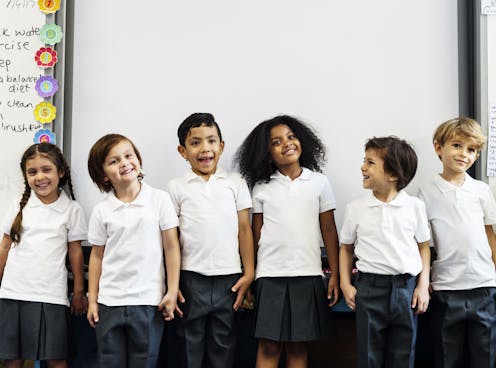
The start of the school year means new classes, routines, after-school activities and sometimes even a new school.
This can be a really exciting time for kids, but these changes can also disrupt existing friendships. Students might feel stressed about not having certain friends with them in class or confused about why old friends are behaving differently.
How can you coach your child through changing friendship dynamics?
How parents help
Research shows supportive friendships play an important role in maintaining students’ wellbeing. Having good friends is linked to better mental health as well as better school attendance and academic achievement.
Research also shows us parenting plays an important role in helping children make and keep friends.
Our research has found parents can improve how well a child is accepted by peers by doing three things:
listening and asking questions to help their child think through a situation
helping their child plan how to address the issue
supporting their child to have contact with peers.
Listening to your child
It’s helpful to check in with your child regularly so you can provide support if they need it.
When children tell you about a conflict or problem, simply start by listening actively. This means reflecting back in your own words what your child said, including feelings. For example,
So it sounds like you are feeling upset Shelley wants to hang out with kids in her new class?
It’s also helpful to empathise with your child about how they feel:
I think I would feel sad too if that happened to me.
This helps your child feel like someone else understands them – and they are not dealing with this on their own.
For older children and teenagers, you may want to check if the child wants your help to work out how to solve the problem. Sometimes listening is all that is needed.
Working out what to do next
If needed, parents can then coach children how to manage any concerns. They can start by helping a child understand why another child may have acted as they did.
For example, if the parent says “Why do you think Shelley said this?”, perhaps the child might respond that “Shelley doesn’t like me anymore”. The parent could offer an alternative explanation – perhaps Shelley is worried about making friends in her new class.
The parent could ask the child what they want – in the above example, the child may want to still be friends with Shelley. The parent can then prompt the child to think of a range of ways to improve the situation, weigh up what might work best and encourage the child to give this a go. Often children can think of solutions themselves, if asked
What could you do to improve things? What else could you do?.
In our example, this might include organising a play with Shelley on the weekend. Alternatively, the child might plan to check in again with Shelley after a few days.
This type of coaching is helpful as it supports the child thinking through the problem and coming up with their own solution, which they are more likely to put in place than if simply told what to do.
Parents can also support their child to strengthen friendships by helping them connect with friends outside school through activities, play dates and online contact.
Friendships may change over time
We hear a lot about “BFFs”. However, it is not unusual for friendship groups to change over time, as children mature and develop particular interests.
When children are placed in a new class or school with no close friends, children often cope through what researchers call “transitional friendships”.
For example, it’s common for children to start high school with no firm friends, but still know some peers from primary school. These acquaintances can provide companionship until children form closer friendships.
Parents can help their child in making close friends at high school by supporting them to catch up and connect with new friends out of school.
Similarly, if a child is missing their old friends, a parent can coach their child in finding ways to stay in touch – like texting, a weekend sleepover or joining an out-of-school activity together.
If you still have concerns
If friendship concerns or worries are having an ongoing, negative impact on your child’s mental health, parents should seek further support from a health professional.
You can start with your GP, who may suggest a referral to a psychologist. You may also like to talk to your child’s teacher – they may be able to help your child get to know potential friends through class activities.
If this article has raised issues for you or someone you know, you can call Lifeline on 13 11 14 or Kids Helpline on 1800 55 1800. There is also free access to Australian evidence-based parenting programs such as Triple P.


