

Compression tights and tops: do they actually benefit you during (or after) exercise?
- Written by The Conversation
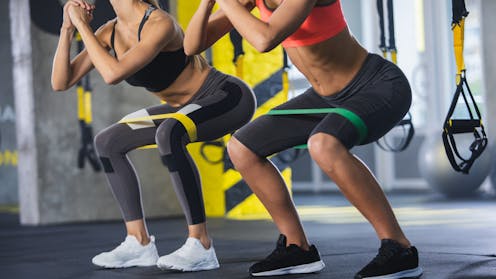
You’ve seen them in every gym: tight black leggings, neon sleeves and even knee-length socks.
Compression gear is everywhere, worn by weekend joggers, elite athletes and influencers striking poses mid-squat.
But do compression garments actually improve your performance, or is the benefit mostly in your head?
Let’s dive into the history, the science and whether they are worth your money.
From hospitals to hashtags
Compression garments didn’t start in sport. They were originally used in medical settings to improve blood flow in patients recovering from surgery or with circulation issues such as varicose veins.
Doctors found tight garments that applied gentle pressure to limbs could help move blood and reduce swelling.
But in the late 1990s and early 2000s, athletes, scientists and sports brands began experimenting with compression wear in training and competition.
Companies such as SKINS, 2XU, and Under Armour entered the scene with bold promises: improved performance, reduced fatigue and faster recovery.
Then, by the 2010s, compression wear wasn’t just for athletes – it had become a fashion statement.
Social media helped drive the trend: influencers wore these items in gym selfies, TikTokers praised the sleek, sculpted look. And with the rise of athleisure, compression garments became everyday apparel, blending fitness with fashion.
What are these garments supposed to do?
Compression gear is designed to fit tightly against the skin and apply gentle, consistent pressure to muscles. The big claims made by manufacturers include:
You’ll hear gym-goers say they feel “more supported” or “less sore” after using compression gear.
Some even report improved posture or a mental boost – like stepping into a superhero suit.
What the science says
Research into compression garments has been growing steadily and the results are mixed – but interesting.
A 2013 major meta-analysis reported moderate benefits across several recovery markers, including lower levels of creatine kinase (a sign of muscle damage) and less delayed-onset muscle soreness up to 72 hours after exercise.
A 2016 review found compression garments reduced muscle soreness and swelling and boosted muscle power and strength. These improvements were up to 1.5 times greater (compared to people who didn’t wear compression garments) in some cases.
Building on this, a 2017 review found people who wore compression gear recovered strength more quickly, with noticeable improvements within eight to 24 hours after a workout. Strength recovery scores were around 60% higher in those wearing compression gear compared to those who didn’t.
But the findings are not consistent. A 2022 review of 19 trials found little effect on strength during the first few days post-exercise.
And when it comes to actual performance, a comprehensive 2025 review of 51 studies concluded compression garments do not enhance race time or endurance performance in runners. And while they may reduce soft tissue vibration (which might feel more comfortable), they offered no meaningful edge in speed, stamina or oxygen use.
Overall, in simpler terms: compression gear may help you recover faster but don’t expect it to turn you into an Olympic sprinter.
When compression gear might help (and when it won’t)
Here are some situations when compression garments can be genuinely useful:
But don’t count on them to:
improve your times: there’s no strong evidence they boost speed or endurance
make you stronger: while some research has noted improvements in strength and power, this won’t necessarily have a noticeable effect on your athletic performance
replace training or good sleep: recovery still depends on the basics – rest, hydration and nutrition.
So, should you wear them?
Compression outfits won’t magically transform your body or training results. But they aren’t a waste of money either.
If they make you feel more comfortable, confident or supported, that’s a valid reason to wear them. The psychological boost alone can be enough to enhance motivation or focus.
And when it comes to post-exercise recovery, the evidence is solid enough to justify keeping a pair in your gym bag.
Think of them like a good pair of shoes. They won’t run the race for you, but they might make the journey a little smoother.
And if you’re just wearing them for the outfit photo on Instagram? That’s fine, too. Sometimes, confidence is the best workout gear of all.


