

The ABC's plan to axe its librarians will damage its journalism. Here's why
- Written by The Conversation
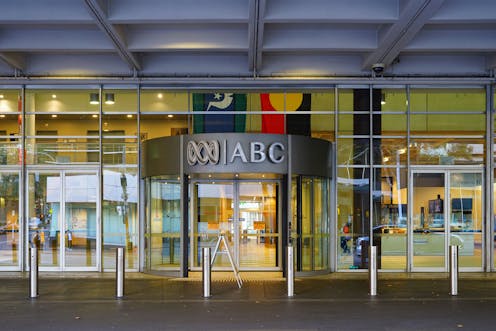
When the war broke out in the Ukraine early this year, journalists scrambled to gather stories and images from the archives to supplement information and images gathered on the ground. A similar scramble occurred when floods struck Queensland, as it often does when big stories break.
We saw the results on our screens, but what we didn’t see was the invisible yet critical work of librarians and archivists – the people who design, manage and facilitate access to the archival systems that house vital news resources.
This makes all the more surprising the news that the ABC plans to eliminate librarian and archivist positions and require its journalists to fill the gap. Journalists are expert investigators and storytellers, but their success in reporting stories rests on their ability to find source material quickly and effortlessly – a process in which librarians and archivists play a key role.
Timely access to source material is critical. Extra time spent looking for resources – not to mention uploading and describing new material – is time taken away from journalists’ other work.
The ABC’s information professionals are trained according to the requirements of the Australian Library and Information Association (ALIA). They are experienced in helping journalists access resources easily and quickly. They digitise and store resources methodically and apply the “metadata” – the detailed descriptive tags – necessary for efficient retrieval. This archival work is especially important at the ABC, a vital repository of Australian history and culture.
When information professionals do their jobs well, journalists and other researchers can readily find what they need and download material seamlessly.
Why does this matter?
Relying on untrained journalists to do the work of qualified information professionals – asking them to archive their own materials and apply metadata – means valuable material will be mislabelled, or not labelled at all. As ALIA and the Australian Society of Archivists put it in their joint response to the planned staff cuts:
The ability to find archival footage and reports which underpin everything from TV drama to news radio is deeply valued by other ABC professional staff, who do not have the professional skills to undertake this work themselves.
Without the librarians’ and archivists’ expertise to draw on, journalists will be hampered by less reliable and efficient metadata, wasting critical time for those working to deadline. Key resources needed to verify facts will be overlooked, undermining the trustworthiness of reporting.
Metadata are critical for finding materials in an ever-growing sea of new information. Although some metadata tags (the name of the creator of a work, for example, or the date the work was created) may be easy to assign, other tags require expert, trained judgement.
Consider a journalist who takes a photo of a building. When she archives this resource she must take care to note date, location and specifications. She will need to decide, for example, whether the location tag should be Australia, Victoria, Melbourne or Collingwood – or some combination of these terms. Librarians and archivists make these decisions to suit the needs of journalists and editors who might search for that image months, years or decades later.
More importantly, though, archivists and librarians need to assign these terms consistently. If all buildings are assigned generic city locations (such as “Melbourne”), future journalists will find it hard to locate images for stories about specific suburbs. Worse still, if journalists make different choices about how specific to be – with some assigning “Collingwood” while others assign “Australia” – future users of the system won’t easily be able to retrieve all images of buildings in the same location. If a busy journalist chooses not to identify the location at all – understandable in the midst of a busy newsroom – the image becomes lost in the system.
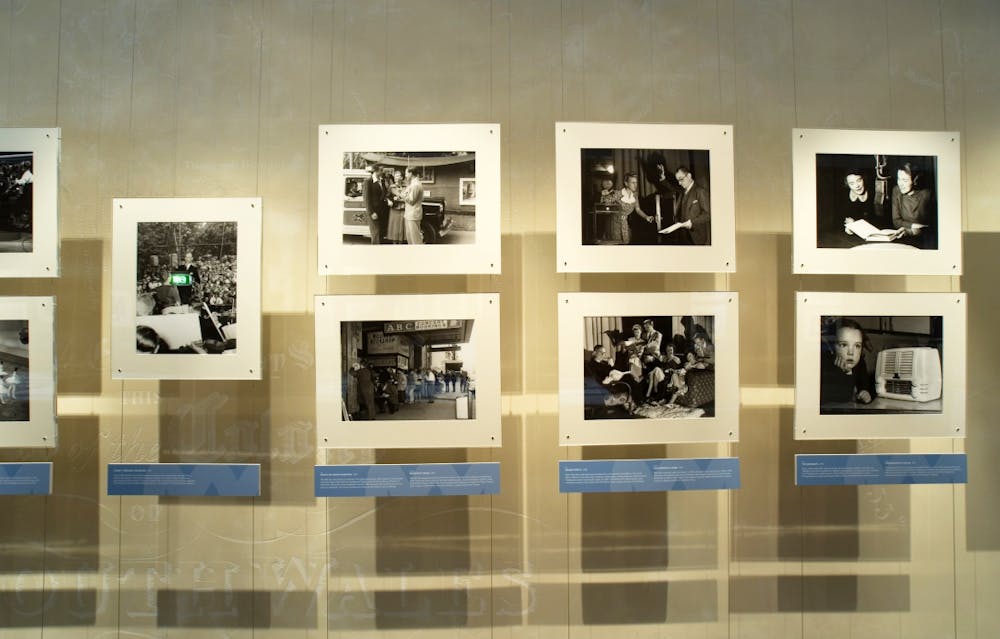
Over time, the problem compounds. As thousands of images, articles, recordings and other materials are added, people searching for material will be forced to search using multiple keywords, eating into their time for other journalistic work.
Research in information science demonstrates that people often take the simplest route, particularly when facing deadlines. So they may search for “Collingwood buildings” and – finding nothing – presume that no relevant images exist, without realising that only a “Melbourne” tag was assigned.
A vital part of our history
Journalists will also lose access to specialist advice to help them find the information they need for credible, reliable reporting. Although some journalists may turn elsewhere for this advice – staff in public or government libraries, for instance – research demonstrates that reporters and editors trained in digital searching practices are less likely to seek the advice of librarians and colleagues overall.
Information science researchers and practitioners across the GLAM sector – galleries, libraries, archives and museums – developed this expertise over many centuries.
Following the second world war, they spearheaded the development of complex automated systems designed to gather, catalogue, index, and present information to the public. This work underpins everyday practices, from searching Google to finding movies on Netflix.
Although the stereotypes of librarians and archivists remain (inappropriately) grounded in a presumption of work happening in dusty bookshelves and basement collections, these professionals are taking the lead in ensuring digital materials are accessible. As ALIA and ASA note, the ABC’s collections are “of national significance,” the value of which goes well beyond the work of just one news organisation.
Without complete, easily findable records, journalists can’t tell the whole story; their ability to quickly retrieve historic source material, to complete background work and conduct fact-checking, will be eroded, as will their ability to tell Australia’s stories with integrity.


