

What is cannabis use disorder? And how do you know if you have a problem?
- Written by The Conversation
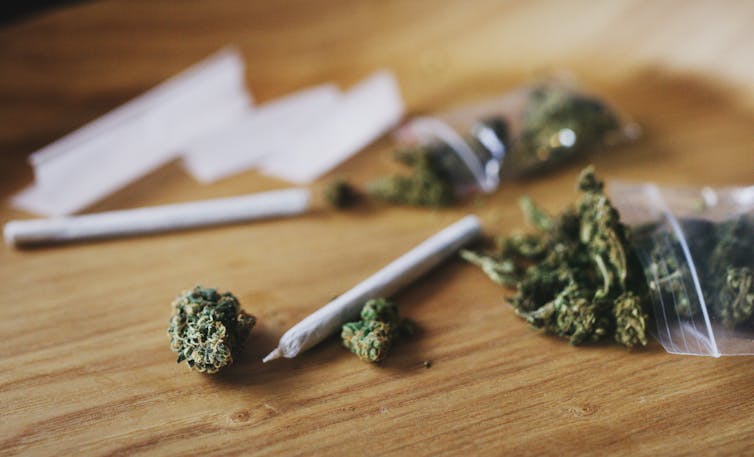
Around 41% of Australians report they’ve used cannabis at some point in their life.
Research estimates that 22% of recreational cannabis consumers meet criteria for a cannabis use disorder. This condition can make it difficult to control how often or how much cannabis they use.
For medicinal cannabis, our research estimated the percentage of cannabis consumers who meet criteria for a cannabis use disorder was similar, around 25%.
These figures may come as a surprise, as the perceived risks associated with cannabis have been steadily declining in many countries.
So, how can you tell if your cannabis use is a problem?
What does cannabis use disorder look like?
A person might use cannabis to relax after a stressful day at work or to help them sleep. At first, they might do so every now and then. But over time, they might come to rely on using cannabis to stop feeling uncomfortable, stressed and sleepless.
They might begin to use cannabis daily to feel “normal”.
With regular use, the body develops tolerance to the effects of cannabis. So the person needs to use more cannabis to get the same “high”.
People who consume cannabis might use more cannabis than they intended or might have problems performing at work because they’re high at the start of the work day, or they fail to do important things such as paying bills, and buy cannabis instead.
The person might keep using cannabis despite noticing their use is causing clouded thoughts, memory issues and anxiety.
Friends and family might notice problems with their cannabis use and recommend they stop or cut back. This can be difficult for people with cannabis use disorder because they may feel anxious, irritable and have difficulty sleeping if they suddenly stop using cannabis.
These withdrawal symptoms can make it harder to quit or cut back. Withdrawal symptoms are quickly relieved by using cannabis, creating a cycle of relapse.
How is it diagnosed?
Health professionals use specific criteria to diagnose a cannabis use disorder.
According to the Diagnostic and Statistical Manual of Mental Disorders (DSM), a person may have a cannabis use disorder if they show at least two symptoms within one year. Symptoms can include:
using larger amounts over longer periods than intended
cravings for cannabis, where the person feels a strong urge or desire to use cannabis
trying and failing to cut back on cannabis use
continuing cannabis use despite worsening physical or psychological problems
failing to fulfil major role obligations at work, school or home
needing to use a greater amount for the same effect, known as tolerance
experiencing withdrawal symptoms such as feeling anxious, irritable or having trouble sleeping.
According to the DSM, two to three symptoms indicate a mild cannabis use disorder and few problems. A moderate disorder involves four to five symptoms, while six-plus symptoms means a severe disorder.
Who is at greatest risk?
In both recreational and medicinal consumers, the risk of cannabis use disorder is higher for people who use cannabis:
frequently, especially daily
by smoking or vaping
with higher levels of THC or in larger amounts.
Other risk factors are starting cannabis use at a younger age and using cannabis to relieve symptoms of anxiety, depression and chronic pain.
What’s the relationship with chronic pain?
People struggling to manage their pain may turn to cannabis hoping to find relief.
However, recent studies question the effectiveness of cannabis to manage pain.
So people may increase how often they use cannabis or use more potent cannabis products in an unsuccessful attempt to control their pain.
This can lead to a cannabis use disorder, making it more difficult to manage their pain and impairing their ability to cope with the demands of everyday life.
How to reduce your risk
Legal changes in many countries, including Australia, have allowed greater access to cannabis for medical reasons. People now often use cannabis for both recreational and medical reasons (dual-use).
If you use cannabis, reduce your risk of developing a cannabis use disorder by avoiding daily use and avoiding cannabis products with high THC.
If you’re concerned about your cannabis use, consult your medical practitioner or contact the National Alcohol and Other Drug Hotline on 1800 250 015 for confidential advice.


