

Help guide the future of The Conversation
- Written by The Conversation
Have you ever wondered how our Daily newsletter comes into being? It lands in your inbox every day as a neat package: a short editorial followed by a dozen or so articles written by academics on everything from health and science to politics to the environment or arts. For you it is a fait accompli. For me, it’s a smouldering battlefield: all I can see are the traces of skirmishes and debates, compromises, mistakes, and missed opportunities.
Perhaps I should begin at the beginning. Each day at The Conversation starts with an editorial conference. We discuss the news of the day and think about how academics can shed light on it. The US Supreme Court is going to make a decision on the legality of President Donald Trump’s tariffs. Do we have a legal expert who can explain the issues at stake? Would it be better to find a business expert to talk about the global economic impacts? Or perhaps someone to write about geopolitics? Maybe all three? Or something else?
Once the initial story list is drawn up, editors start contacting academics. Sometimes we interview academics on the phone and post the article within a few hours. Some articles are filed the same day. Others, like our Walkley-shortlisted multimedia explainer on how to spot a rip, take months of back-and-forth.
Once the draft arrives the real work starts, by which I mean the arguing. Does the headline accurately reflect the key thrust of the article? Does it grab your attention? How do we know this claim is true? Could it be better expressed? Is the author happy with the headline and the picture? Is there another way to do this?
In this way we crawl, crablike, towards a refined final product, one we hope is improved by the rigours of editing. But some of what we do is mere guesswork, because a key ingredient is missing: you.
We produce all our articles for you, our reader. Every editorial decision is made in your name, but most of the time you aren’t in the room with us to tell us what you want. That’s why we have created the Your Say section in our Daily newsletter, and it’s been a delight in recent months to see a range of insightful comments from readers.
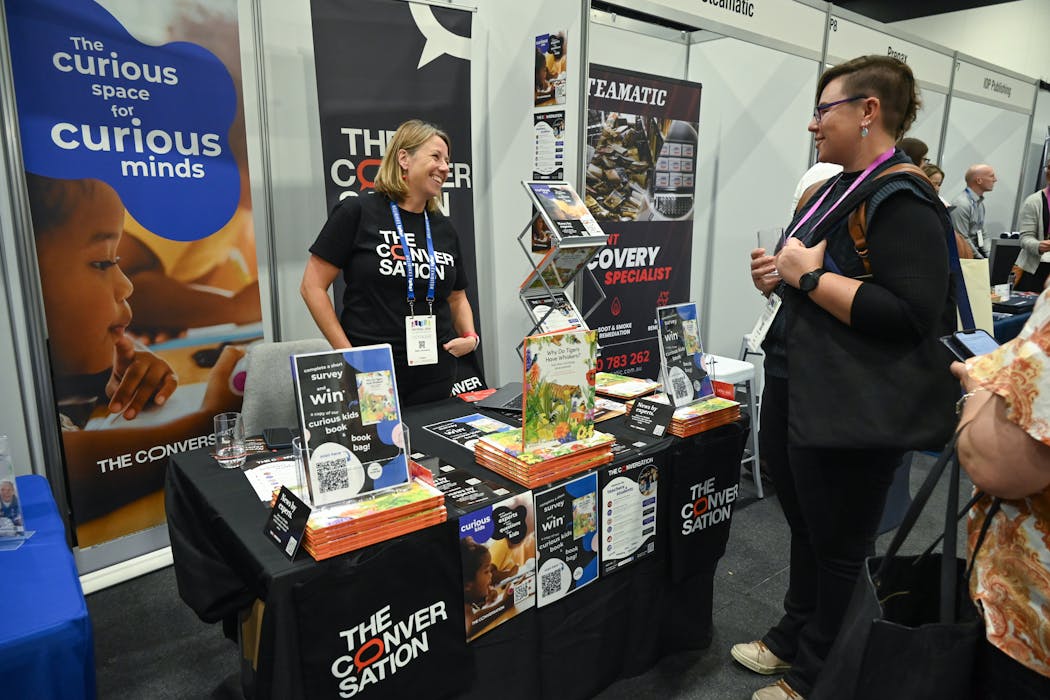
The other important way we invite you into the room is via our annual reader survey. It takes only 5–10 minutes to complete, and it provides invaluable guidance about what matters the most to you. Please help us by taking a few minutes today to fill out the survey.
Your feedback matters, and you might even help to settle some arguments.
Read more https://theconversation.com/help-guide-the-future-of-the-conversation-268186


