

Your risk of catching COVID is at its lowest since 2020 – but here’s why you should still get boosted for Christmas
- Written by The Conversation
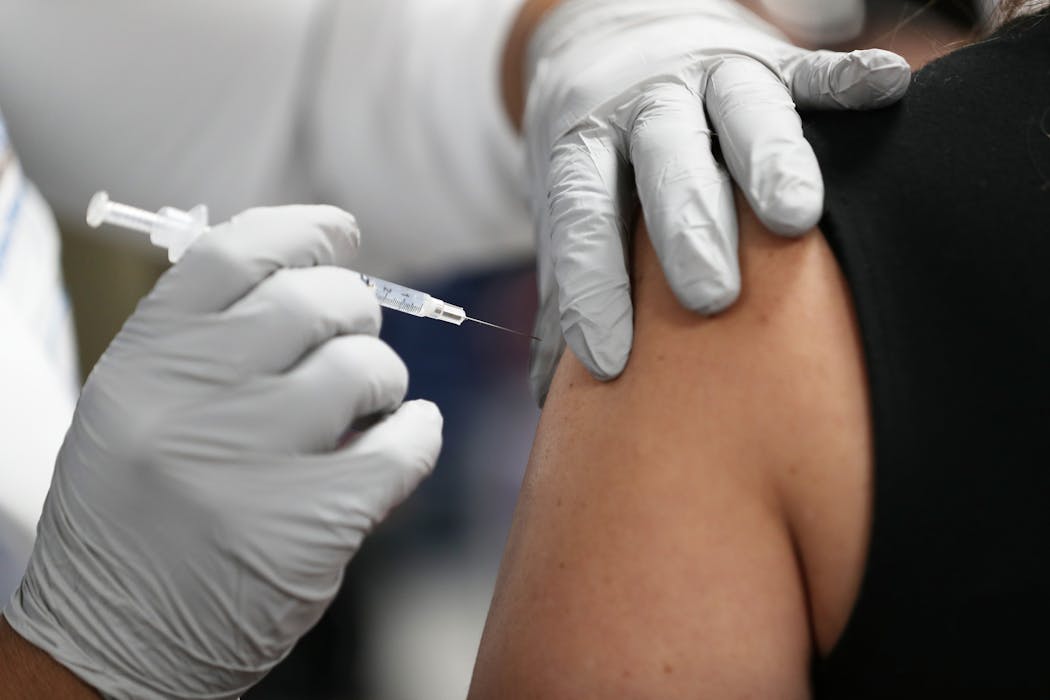
As the Christmas season looms, with its crowded end-of-year parties, family gatherings and busy travel schedules, many New Zealanders might be asking a now familiar question: should I get another COVID-19 booster?
After nearly four years of continuous Omicron circulation, each coming with a distinct summer wave, it is understandable to be weighing this up.
Many of us now have reasonable immunity to COVID, both from previous vaccines and from repeated contact with the virus. This may not stop us getting sick with a another COVID infection, but it makes it less likely that it would cause severe illness.
However, some groups particularly older people and those with significant medical conditions – continue to be at higher risk. For these people, getting a top-up before Christmas – and ahead of any summer travel – is indeed a wise idea.
This holds true even when the risk of catching the coronavirus this holiday season is far lower than in the past.
While COVID-19 waves have become more consistent – we have now observed eight, occurring roughly twice a year – they have also grown markedly smaller since Omicron began spreading widely in early 2022.
Hospitalisation data from Te Whatu Ora shows this decline clearly. The enormous peaks of early 2022 are gone and now, in late-2025, the baseline of hospital admissions had sunk to its lowest point in four years.
In the past week, we have seen roughly 30 hospitalisations nationwide, comparable now to influenza at this time of year.
Wastewater surveillance tells the same story. Traces of the virus are still being detected at all monitored sites, but at low levels and with only small ripples, rather than the sharp peaks of New Zealand’s first year with Omicron. Reassuringly, genome sequencing results also show no new virus subvariant is rapidly emerging.
Why an extra dose still matters
Even with activity at its lowest point in years, Omicron has not disappeared. Small waves still appear and clinicians continue to see serious infections.
Older New Zealanders, those who are pregnant, have important underlying medical conditions or weakened immune systems are at markedly higher risk of serious consequences.
That means staying up to date with vaccination is still important – especially when we consider that protection from vaccination declines over time.
Antibody levels drop markedly in the months after a dose or an infection and, while longer-lasting immune memory remains, the front-line protection that prevents severe illness weakens particularly for those at higher risk.
A booster restores this protection against severe clinical outcomes, notably hospitalisation and death. It may also provide some defence against long COVID, although that protection appears to depends on prior history of vaccination and infection.
The current variant vaccine Pfizer JN.1 vaccine now used in New Zealand provides good immunity against the variants currently circulating. It is free for all eligible people, and anyone aged 30 or over can receive an additional dose once six months have passed since their last vaccine or infection.
A booster heading into the festive season is therefore a practical way to lower the risk for individuals, their whānau and the wider community.
Staying protected from other infections
This holiday period also carries the risk of measles for those lacking immunity.
New Zealand has recently experienced outbreaks and, although the immediate risk has eased, two full incubation periods are needed before this current outbreak can be considered over.
Childhood immunisation coverage for measles, mumps and rubella has slipped to the low 80% range, with coverage much lower in some communities, leaving the country vulnerable when cases are brought in by travellers.
New Zealand has a large migrant population, some of whom may also be unsure of their vaccination history, and clinics are identifying gaps through serology testing. There is no harm in receiving an MMR dose even with existing immunity, so vaccination before Christmas is a sensible precaution where status is uncertain.
Other respiratory infections also continue to circulate at low levels over summer.
Increased travel and indoor gatherings create opportunities for them to spread, which is why the basic public health measures remain useful. People should avoid social gatherings if they are unwell with respiratory symptoms.
At this time of year influenza is low, so COVID-19 remains one of the more likely causes of respiratory illness. Testing is useful, including the combined rapid antigen tests that also detect influenza and RSV.
Ventilation matters. Summer makes it easier to throw open windows and doors, and a well-fitted N95 mask offers excellent protection in crowded indoor settings such as public transport. Building these habits now lowers risk over Christmas and improves our readiness for the next pandemic.
The same logic applies to vaccination. For those who can receive it, an updated COVID-19 booster ahead of the holidays adds a useful layer of protection.
The chances of catching an unwelcome bout of COVID for Christmas might be lower than ever – but strengthening immunity now helps safeguard families and the health system during one of the busiest times on the calendar.


