

'Satanic worship, sodomy and even murder': how Stranger Things revived the American satanic panic of the 80s
- Written by The Conversation
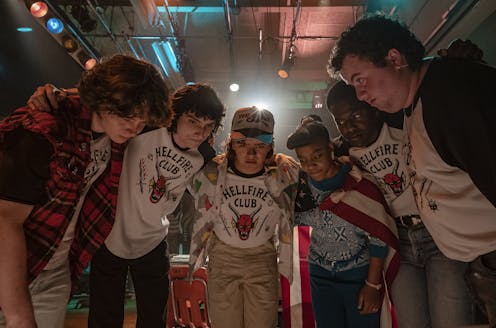
From Kate Bush to Russian villainy, Season Four of Stranger Things revives many parts of the 1980s relevant to our times. Some of these blasts from the past provide welcome nostalgia. Others are like unwanted ghosts that will not go away. The American Satanic Panic of the 1980s is one of these less welcome but important callbacks.
In Stranger Things season four, some residents of the all-American but cursed town of Hawkins hunt down the show’s cast of heroic misfits after labelling them as satanic cultists. The satanism accusation revolves around the game Dungeons and Dragons and the protagonists’ meetings to play it with other unpopular students at their high school as part of the Hellfire Club.
Mistaking a harmless game played by a pack of nerds for a satanic conspiracy, the athletic and popular Jason Carver wrongly blames its players for the very real supernatural horrors at the heart of the plot.
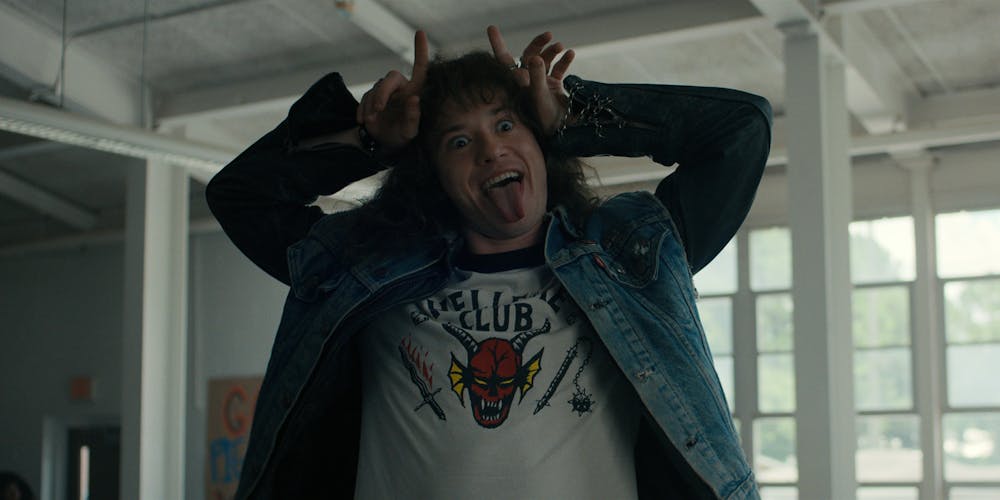
Satanic worship, sodomy, suicide, and even murder!
The false link in the show between Dungeons and Dragons and an occult conspiracy is based on real history. In the 1980s, TV pundits, politicians, and religious leaders really thought the game was an entry point to satanic worship and an imagined vast conspiracy of satanic cults that supposedly permeated the United States and the entire world.
In the first episode, Eddie, the leader of the Hellfire Club and its Dungeons and Dragons game, derisively recites absurd accusations made at the time. These panicked allegations suggested Dungeons and Dragons promoted “satanic worship, sodomy, suicide, and even… murder!” During the season, Eddie himself becomes the victim of similar accusations.
Occult rituals, orgies and human sacrifices
The campaign against Dungeons and Dragons was part of a larger hysteria about a supposed enormous conspiracy, frequently called today the Satanic Panic.
Central to it was the idea that networks of cults were conducting occult rituals, orgies, and human sacrifices, involving the abuse and murder of children. This ritual abuse was similar to the claims made in an influential but discredited book, Michelle Remembers (1980).
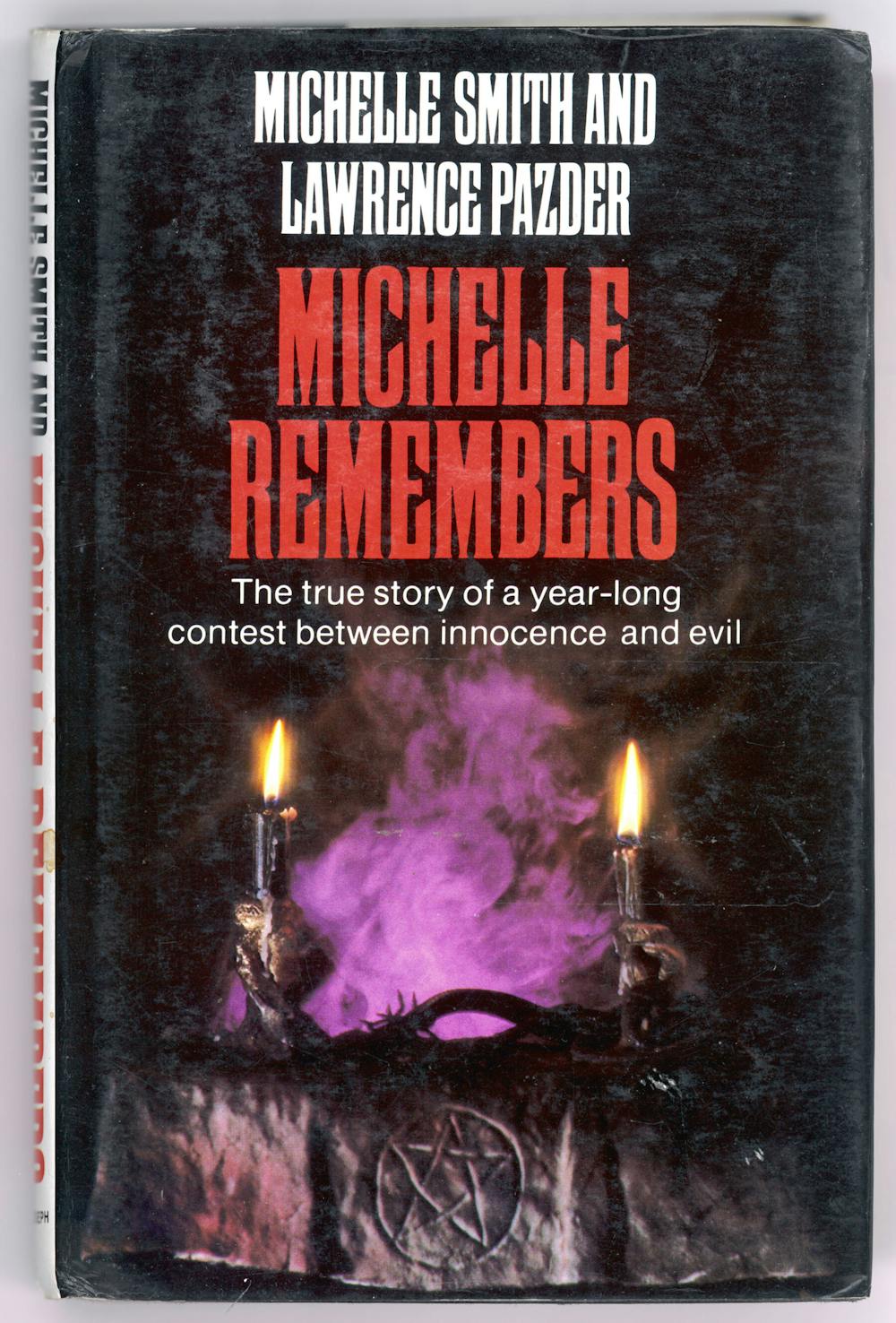 Michelle Remembers written by Lawrence Pazder & Michelle Smith.
Wikipedia
Michelle Remembers written by Lawrence Pazder & Michelle Smith.
Wikipedia
Stories like Michelle Remembers popularised the idea of large, inter-generational satanic networks that were taking down American society from inside. Specialists tie the proliferation of belief in this conspiracy to anxieties resulting from accelerating social changes.
These included women surging into the workforce, increasingly sensationalised crime reporting, the “decay” of traditional values, and the rise of the religious right in America.
An atmosphere of panic
Belief in satanic conspiracy during the 1980s and 1990s destroyed many lives. Especially in North America, there were hundreds of accusations that resulted in numerous trials. Recent books and podcasts explore specific cases such as Martensville, Saskatchewan or the McMartin Preschool near Los Angeles.
At McMartin, it was alleged that hundreds of children had been sexually abused at underground orgies. Even in an atmosphere of panic, the evidence was insufficient to secure any convictions.
Accusations elsewhere frequently tried credulity, suggesting the murder of preposterous numbers of children and infants. These claims were false. For example, a 1994 study examined 12,000 accusations of organised satanic ritual abuse. It concluded there was no evidence for organised satanic cults that sexually abuse children.
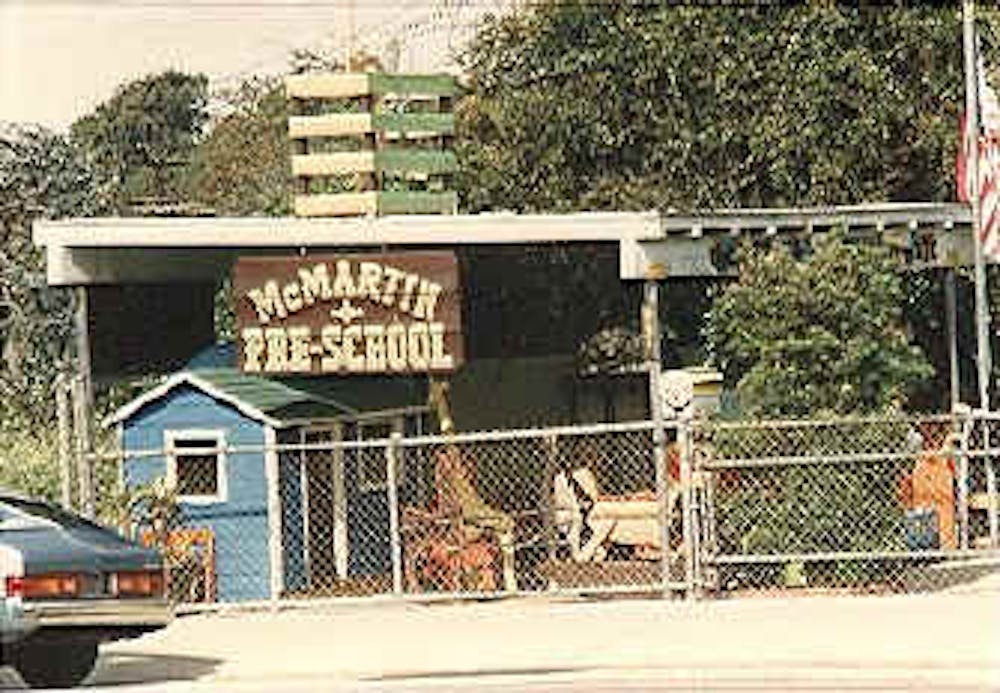 At McMartin, it was alleged that hundreds of children had been sexually abused at underground rituals.
Wikimedia
At McMartin, it was alleged that hundreds of children had been sexually abused at underground rituals.
Wikimedia
Studies of specific accusations, such as at McMartin, often emphasise how adult investigators created accounts of abuse that fit their preconceptions of satanism. They did it, often unknowingly, by getting suggestible children to say what they expected to hear.
The models of ritual abuse investigators reproduced have a history. Early modern witch hunts are one frequently cited analogue, but the similarities run much deeper and further back in time. The secret meetings, orgies, and ritual abuse attributed to modern cults correspond to what Norman Cohn called the nocturnal ritual fantasy. Similar, accusations were made against witches, Christian heretics, Jews, and early Christians.
Satanic panic today
As author David Frankfurter suggests, the many different versions of supposed demonic conspiracies display patterns. One of the most worrisome and ironic is that historically verifiable atrocities take place not at the hands of non-existent cults – but rather during mistaken attempts to destroy them.
One atrocity is the minimisation of the real abuse of children. By tying it to imagined conspiracies, delusions like the Satanic Panic avoid grappling with the actual social structures that facilitate abuse.
The Satanic Panic, or demonic occult conspiracy theory, is still with us. Actually, it has taken on new forms, as part of Pizzagate or QAnon. Believers of both conspiracies frequently allege that their social and political enemies ritually abuse children following ancient tropes of cult evil.
As in the past, such accusations can justify violence ironically performed in the name of eradicating evil. Belief in discredited, but familiar, demonic conspiracies makes it likely this familiar mistake will happen again.


