

Should anti-bullying approaches encourage kids to be ‘upstanders’? The evidence is not clear
- Written by The Conversation
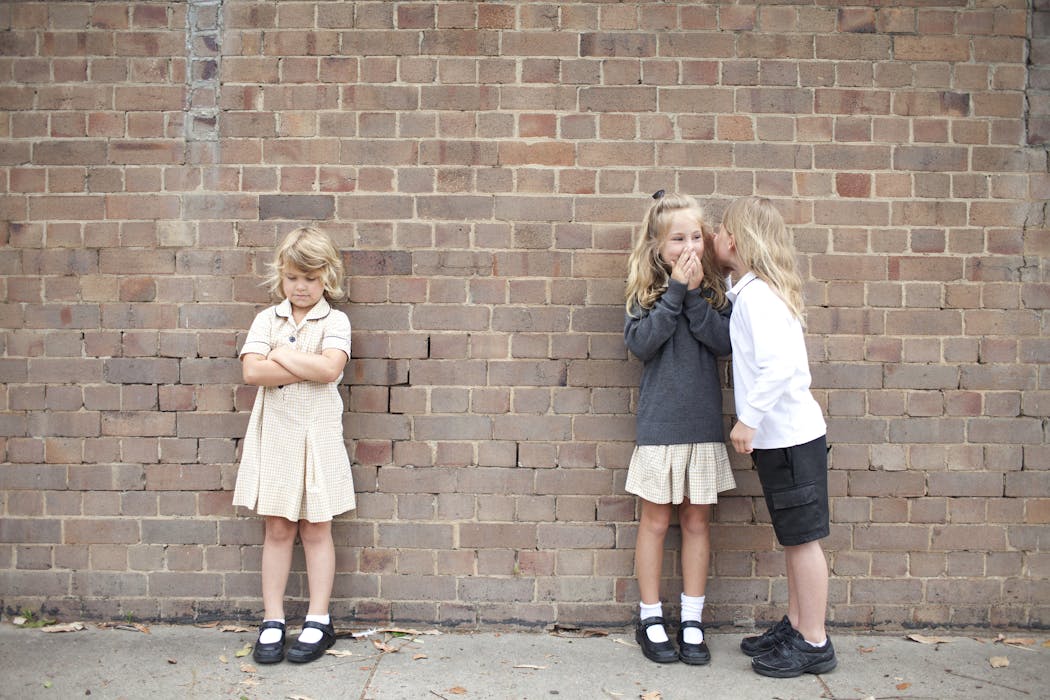
School bullying is one of the most serious issues facing Australian schools. Students who are bullied can be left psychologically and emotionally devastated for years afterwards.
Last month, the federal government released the results of a rapid review into bullying. Among the recommendations, it encouraged schools to mobilise students to be “upstanders”. Releasing the review, Education Minister Jason Clare described upstanders as “people who are prepared to stand up, not walk past the problem”.
On the face of it, this makes sense – if students stand up for their peers and call out bullying, perpetrators may stop and victims will be better off, right?
But international peer-reviewed research does not support this. In fact, research suggests that actively encouraging students to be upstanders to bullying may even be counterproductive.
Where did the idea come from?
The approach of training student bystanders to defend victims was popularised in the late 1990s by leading Finnish psychologist and researcher, Christina Salmivalli. Salmivalli argued, because bullying occurs in groups, interventions should target the whole group, not just students who bully, or are bullied. She argued young people should be trained to help their peers if they see them being bullied.
For example, if a student is ridiculing a peer about their appearance, other students who notice this behaviour might step in and tell them to stop.
Encouragement of peer bystander support is one of many strategies incorporated into evidence-based whole-school anti-bullying programs in Australia and internationally.
Many programs promoted to Australian schools focus strongly on mobilising bystanders. But most have never been scientifically evaluated for their impacts on bullying or victims.
What does the research evidence say?
Encouraging bystanders to help has been assumed to be positive and helpful. For example, a 2011 meta-analysis described programs as “effective” just because they increased bystander support. But it did not consider the impact of this support on bullying. Until recently, we had a lack of rigorous research about the effects of bystander actions (or upstander programs) on actual bullying or victim outcomes.
Since 2020, several high-quality, large longitudinal studies have looked at the impact of bystander actions on victims.
A 2023 Dutch study involving more than 5,000 students found victims who were defended by peers at the start of the school year did not differ from non-defended victims at the end of the year in self-esteem, depression or the severity of bullying experienced.
A 2025 Chinese study involving more than 1,000 students found bystander defence did not mean a victim was any less likely to be bullied six months later.
A 2025 Finnish study involving more than 6,000 students found no difference in bullying or psychological problems experienced by victims who were being defended a few months earlier compared to those who were not defended.
So, recent high-quality studies have failed to confirm the long-held untested assumption that bystander defence reduces bullying. Other evidence suggests strategies to deliberately mobilise bystanders may even be counterproductive.
What happens when peers get involved?
Most programs to prevent school bullying include many different strategies like lessons for students about how to treat peers, professional development for teachers, improved discipline, work with parents, and encouraging bystanders to intervene.
On average these programs reduce reports of being bullied by just 15-16%.
To improve programs, meta-analyses have investigated how the inclusion of different strategies relates to overall program effectiveness in reducing bullying. The first such study in 2011 found programs with strategies involving peers were less effective than programs without peer strategies.
A further 2021 meta-analysis distinguished between three different kinds of peer involvement. It found “informal” peer strategies (such as general discussions in class) were associated with greater program effectiveness. However, actively encouraging peer bystanders to intervene (for example, as “upstanders”) was associated with less effectiveness in reducing victimisation.
A 2022 meta-analysis found including “non-punitive” methods, where peers help find solutions to situations of bullying, was also associated with reduced program effectiveness.
This does not necessarily mean intervening as a bystander never helps. However, it probably depends on who helps, their status and relationship to those involved, and when and how they intervene.
Why might encouraging upstanding be counterproductive?
One possible explanation is that getting more peers actively involved as bystanders can make bullying more public, making more students aware of what is going on. This could stigmatise the victim, making it more likely they will be shunned from friendship groups and bullied again.
Having a wider audience might also encourage some perpetrators.
What should schools be doing instead?
There are many strategies that research suggests are helpful in preventing bullying. These include a whole-school approach and policy around bullying, good discipline, support for victims and providing information for parents.
Evidence to date suggests informal education of bystanders – such as low-key class discussions about looking out for mates and seeking help from a teacher when needed – can also help.
Future research will provide more information about circumstances where bystander involvement may help. However, at present, schools should be wary of upstander programs, and any other strategies that highlight those involved in bullying to peers.
Read more: 'Got no friends? Sit on the buddy bench.' Untested anti-bullying programs may be missing the mark


