

Is surgery necessary for my endometriosis or ‘suspected’ endo?
- Written by The Conversation
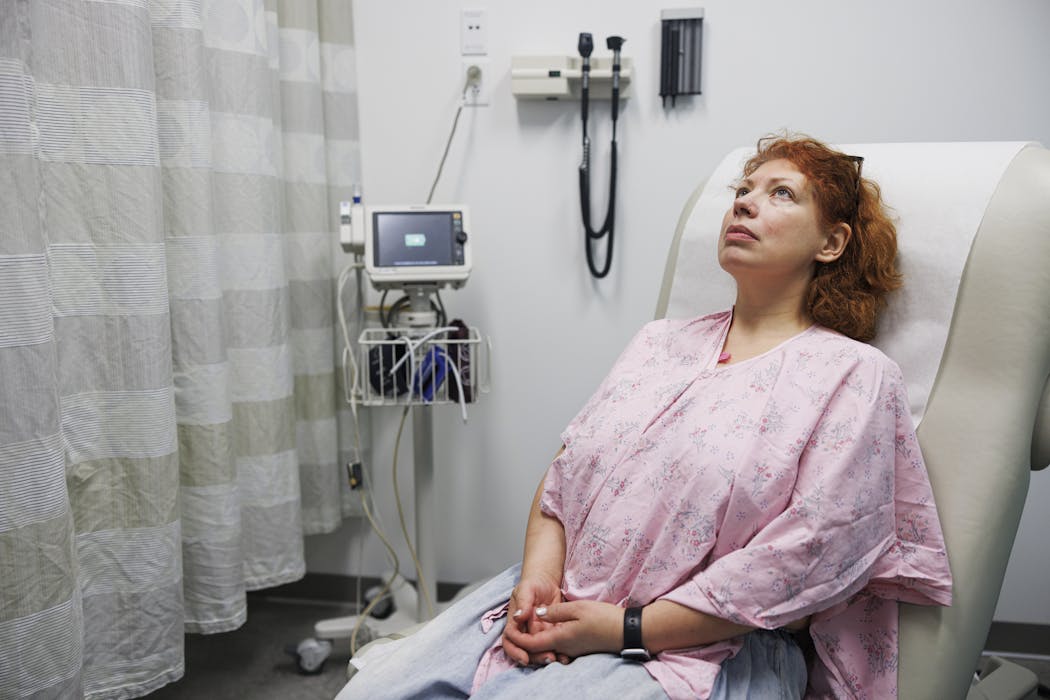
If you live with pelvic pain, period pain, sex or bowel symptoms, you may have been told you could have endometriosis, and that surgery is the “gold standard” for diagnosis and treatment.
But over the past few weeks, questions have been raised about whether surgery is actually necessary for women to detect and treat endometriosis.
This week’s ABC Four Corners highlights stories of women undergoing repeated unnecessary surgeries for endometriosis which caused significant harm and left some women unable to have have children.
So where does that leave people who have or suspect they have endometriosis?
Surgery is not always necessary but can be helpful in some instances. But it’s never a simple yes-or-no decision. Let’s look at what the evidence says about who might benefit from surgery and when it’s unnecessary.
What is endometriosis and what is surgery for?
Endometriosis occurs when tissue similar to the lining of the uterus (womb) grows outside the uterus – usually in the pelvis or other areas. It affects about one in seven women and those presumed female at birth.
Surgery for endometriosis has two roles:
Surgery is no longer needed for diagnosis
Historically, laparoscopy (keyhole surgery) with biopsy was considered best to diagnose endometriosis. If tissue removed at surgery showed endometrial-type cells under the microscope (histology), diagnosis was confirmed.
However, endometriosis care is evolving with imaging and our understanding of pain science is improving. Australian and international guidelines now allow clinicians to diagnose endometriosis based on symptoms.
Deep and ovarian endometriosis can often be diagnosed with specialised ultrasound or MRI. This imaging can also help guide decisions about whether or not to undergo surgery.
So surgery is no longer required to “prove” a person has the condition.
When else might surgery be unnecessary?
Surgery shouldn’t be the first and only treatment option for endometriosis.
Surgery may not be needed if symptoms are manageable with hormonal therapy, allied and complementary health therapies, and lifestyle modification, or the risks of surgery outweigh the benefits.
Just because endometriosis is there, does not mean it causes the symptoms. Adenomyosis (a condition where endometrial-like tissue grows in the muscle wall of the uterus), irritable bowel syndrome, pelvic floor dysfunction and bladder pain syndrome can coexist with endometriosis.
Sometimes treating these other conditions can improve quality of life without surgery.
When might you consider surgery?
Surgery may an appropriate treatment when:
pain is severe and persistent, and medical therapies have not helped
imaging suggests deep endometriosis is affecting key organs such as the bowel, bladder or ureters, which can cause complications
fertility is affected and other options have been explored.
In these cases, surgery is considered for treatment, not diagnosis, and should be performed by an expert clinician – especially for deep or complex disease.
Early surgery may provide symptom relief, but there is little evidence lesions rapidly worsen over time or that urgent surgery improves long-term outcomes.
Although laparoscopies are generally safe, they’re still performed under general anaesthesia, which comes with risks. Other risks from surgery include:
- bleeding or infections
- damage to bowel, bladder or ureters
- adhesion formation, where scar tissue forms and fuses to other parts of the pelvis.
Even after successful surgery, pain may return over time. This doesn’t mean surgery failed or was inappropriate. It means endometriosis and pelvic pain are chronic, complex conditions.
What if the surgeon doesn’t find anything?
Sometimes a surgeon looks inside the pelvis and doesn’t see endometriosis, or histopathology (the tissue taken for analysis in a laboratory) is negative.
This may mean the disease isn’t there, but sometimes it’s not that straightforward. Surgeons may miss a lesion that is microscopic or hidden in difficult-to-access areas such as the bowel.
Histopathology accuracy also depends on many factors. The diseased part of the lesion may be missed during analysis. If the lesions are surgically burnt away (ablated), or very tiny endometriosis lesions are cut out (excised), they may be destroyed by the surgical instruments, making pathology review impossible.
Other times, abnormal-looking areas are removed, when these are in fact not endometriosis.
Questions to help you decide
If you are considering surgery for endometriosis, it can help to ask your doctor:
- what is the goal of surgery?
- what does my imaging show?
- what are the alternatives?
- what other conditions do I have that may contribute to my symptoms?
- how might surgery alleviate these symptoms?
- what is your experience with complex endometriosis?
- what improvements in pain can I realistically expect?
- what are potential complications in my case?
A good surgical consultation should discuss your symptoms, priorities, past experiences and treatments, discuss benefits, limitations and uncertainties around diagnostic tests, and treatment options.
If you feel pressured into surgery, or your surgeon quickly suggests booking surgery without offering other options, seek a second opinion.
If you decide on surgery to manage pelvic pain, your clinician should offer other treatments, such as pelvic physiotherapy and/or medication, which can be used in conjunction.
For those who aren’t planning a pregnancy, evidence shows people who use a hormonal medication to suppress oestrogen after surgery have lower rates of recurrence than those who do not.
For some, surgery is transformative. For others, it offers limited relief. Individualised care is key. The goal is to improve quality of life, not simply to find endometriosis. That decision should be made with you, not for you.
Thanks to Adelaide University Adjunct Lecturer in Gynaecology Mathew Leonardi and Endometriosis Group Leader at Adelaide University’s Robinson Research Institute Louise Hull for their input into this article.
Read more https://theconversation.com/is-surgery-necessary-for-my-endometriosis-or-suspected-endo-276365


