

‘Silky’ doesn’t mean it’s made from silk – how confusing textile language can harm the environment
- Written by The Conversation
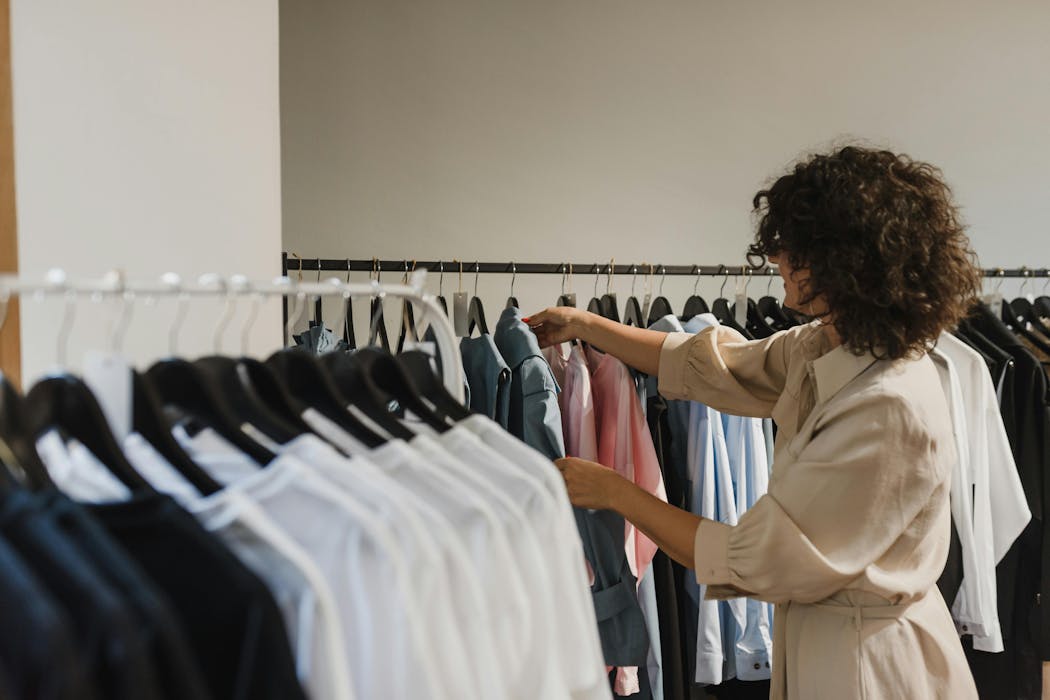
If you care about sustainability, buying something as simple as a pillowcase can feel surprisingly hard.
Search for “sustainable sheets” and you’re flooded with familiar and tantalising promises: silky, bamboo, vegan, antimicrobial, breathable, organic. The language sounds reassuringly scientific and ethical, suggesting comfort, health, and environmental responsibility all wrapped up in one product.
The problem is that, in textiles, these words rarely mean what consumers think they mean.
The fashion industry is full of greenwashing, with brands using language to manipulate consumers.
The Australian Competition and Consumer Commission’s 2023 sweep into greenwashing claims identified textiles, garments and shoes as one of the most problematic sectors.
As textile researchers, we spend a lot of time unpacking product descriptions that look authoritative but often conflate different fabric components (fibre, yarn, fabric construction and finishes) into a single performance or marketing claim.
In one recent example, it took us more than 20 minutes to decode what was being sold as a “regenerated silk” fibre.
If two textile academics struggle to decipher a product description, the problem isn’t consumer literacy. It’s the way the information is being presented.
The case of the ‘silky’ pillowcase
Silky pillowcases have been heavily marketed as wellness products that will reduce wrinkles, prevent acne, and keep hair smooth and tangle-free. The promise is that a simple switch can quietly improve your life while you sleep.
In functional terms, there is some truth here. Smooth, “silky” fabrics like satin exhibit properties that are beneficial for skin and hair.
But “silky” isn’t a fibre at all.
Silk is the only naturally occurring filament fibre (meaning it is long and continuous), and most commercial silk comes from the Bombyx mori caterpillar.
Other common filament fibres are polyester and rayon (also known as viscose, which is often marketed and sold as bamboo), which are manufactured by extruding liquid polymers through spinnerets and solidifying them into long, continuous fibres.
When filament fibres are spun into yarns and woven in a satin structure, the resulting fabric is incredibly smooth.
The promises of wrinkle reduction and curl preservation being sold as features of a silky pillowcase cannot be completely attributed to a specific natural fibre’s biology. These claims are just as much as result of simply weaving smooth filament fibres into a satin weave – thus there is the exact same mechanism at work in polyester satin pillowcases that make no sustainability claims at all.
For example, bamboo is often presented as the sustainable middle ground between silk (often prohibitively expensive) and polyester (plastic) as bamboo is plant-based, fast-growing, and natural.
To make bamboo feel silky, the plant material is dissolved and extruded into viscose, a regenerated fibre, a process that strips away the original fibre structure entirely, along with many of its associated properties, such as being antimicrobial.
Conventional viscose/rayon production involves dissolving wood, bamboo or other cellulose using carbon disulfide, a chemical with health hazards, especially for exposed workers.
And while rayon is often marketed as “sustainable” because it comes from renewable resources such as trees and bamboo, old-growth forests are still often harvested to produce it.
‘Silkiness’ is vastly different to silk
At this point, the confusion isn’t just understandable — it’s structural.
Consumers are being asked to make complex ethical and sustainability judgements using language that collapses fibre, yarn type and fabric construction into a single sensory promise.
In other words, “silkiness” arises from a combination of fibre type, yarn and fabric construction, rather than whether a fibre is natural or synthetic.
This is why three very different fibres – silk, polyester and rayon – can all be turned into satin pillowcases that may feel remarkably similar, while carrying completely different environmental, ethical and end-of-life consequences.
Polyester comes from petrochemicals and releases plastic microfibres every time it’s washed. And unless rayon comes from a certified source, there’s a risk old-growth forests were harvested for the wood pulp feedstock.
By focusing on how a fabric feels, brands can imply a product inherits the cultural value of silk – luxury, smoothness, naturalness – even when the fibre itself is fossil-fuel derived or heavily chemically processed.
5 questions to ask
When assessing a sustainability claim in clothing or textiles, consumers can start with simple questions, such as:
1. What’s being highlighted and what’s being left out? Marketing often draws attention to a single fibre, plant or property while avoiding details about blends, chemical processing or finishes.
2. Where does the advertised claim come from? Is it from the fibre itself, the yarn, the fabric construction, or a surface treatment? Comfort words like “silky” or “breathable” can come from any of these.
3. Are scientific terms being used precisely or suggestively? Words like antimicrobial, organic, biodegradable and regenerated sound technical, but in clothing they’re often undefined, loosely applied and rarely backed by scientific testing.
4. What design choices shape end-of-life? Small amounts of blended fibres or elastane can prevent composting or recycling entirely, regardless of how sustainable the product claims to be.
5. What isn’t visible on the label? Finishes, coatings, sewing threads, dyes and trims are rarely disclosed, yet they materially affect durability and disposal.
Time for change
In Europe, a digital product passport on all items from 2027 will require companies to disclose not only fibre type, but also chemicals and processes used in production.
To protect consumers, it’s time Australia followed suit.


