

We discovered lethal new fungal diseases in wild Australian reptiles. It’s time to act fast
- Written by The Conversation
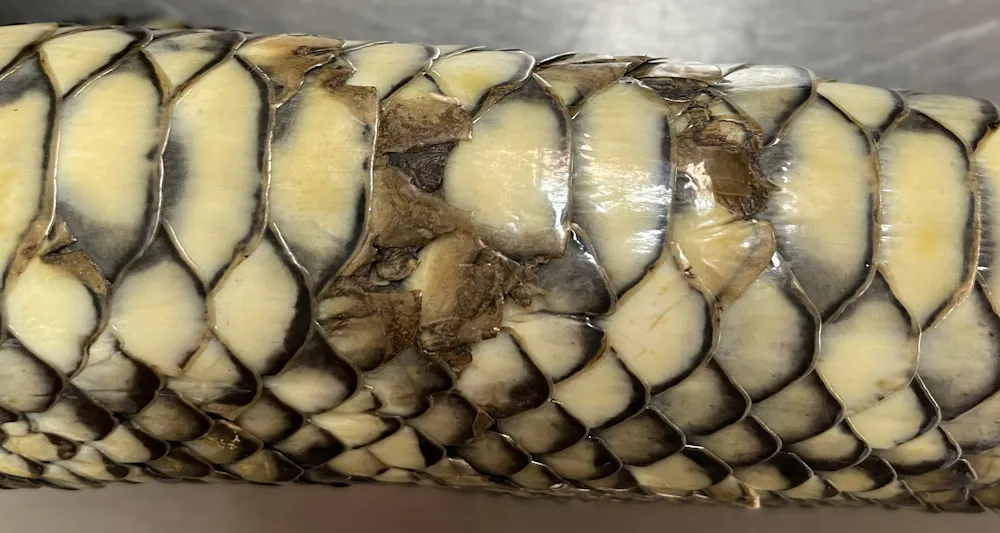
When a coastal carpet python was brought into a wildlife hospital in South East Queensland in August 2024, vets were confronted with something they didn’t recognise. The python had damaged scales, crusted lesions across its body and a mysterious fungal infection that defied explanation.
When the results from skin tests came back, they revealed snake fungal disease, caused by Ophidiomyces ophidiicola, an emerging fungal pathogen linked to snake declines overseas. This was the first confirmed report in free-ranging wild Australian snakes.
In our new research, we detail this finding and two more novel fungal pathogens detected in skin samples taken from sick reptiles. All three infections produce disfiguring skin lesions. Two of the three new threats were not previously known to affect wild reptiles in Australia.
This isn’t a welcome discovery. Australia is home to an extraordinary diversity of reptiles – the highest of any country. But many species are in decline, due to climate change, habitat loss, invasive species and urbanisation.
Fungal infections aren’t usually a problem for warm-blooded animals, as most fungi can’t survive our high body temperatures. But for ectothermic (cold-blooded) reptiles and amphibians, fungi can pose a devastating threat. Chytrid fungus has triggered an ongoing wave of frog extinctions – including in Australia. We must protect reptiles from similar threats.

What did we find?
We analysed skin samples from ten sick reptiles between April 2023 and September 2024. Each had mild to severe skin lesions. They included an eastern water dragon, two eastern bearded dragons, one eastern bandy-bandy snake, one white-crowned snake and five coastal carpet pythons.
In some cases, their infection was so severe it caused crusted lesions along the entire body, prevented normal skin shedding, and caused extreme emaciation and weakness. Tragically, many reptiles had deteriorated so badly that euthanasia was the most humane option.
When we tested skin samples from these sick reptiles, we found three fungal threats from the Onygenaceae family cropping up in new hosts or locations.
- Ophidiomyces ophidiicola – commonly known as snake fungal disease. We detected it for the first time in free-ranging Australian wildlife, causing debilitating disease in three native Australian snake species.
- Nannizziopsis barbatae – a pathogen already known to affect wild Australian lizards, and recently highlighted in water dragons in Queensland. We report its first global detection in a snake.
- Paranannizziopsis spp. – detected for the first time in free-ranging Australian wildlife, causing disease in eastern bearded dragons and coastal carpet pythons.
Reptiles are vulnerable
As climate change boosts global temperatures, alters ecosystems and stresses wildlife, a dangerous combination emerges. Stressed animals become more susceptible to infection, and the fungi themselves become more widespread.
Losing reptile and amphibian species to fungal diseases is devastating. Reptiles play crucial roles in our ecosystems, quietly keeping pest populations in check and helping to maintain healthy landscapes.
In recent years, herping – the reptile equivalent of birding – has become more popular.
As interest has risen, so has public concern. The only reason we know about these fungal diseases is because observant community members noticed unwell animals and sought help. Early detection remains one of our most powerful tools for understanding and containing wildlife disease.
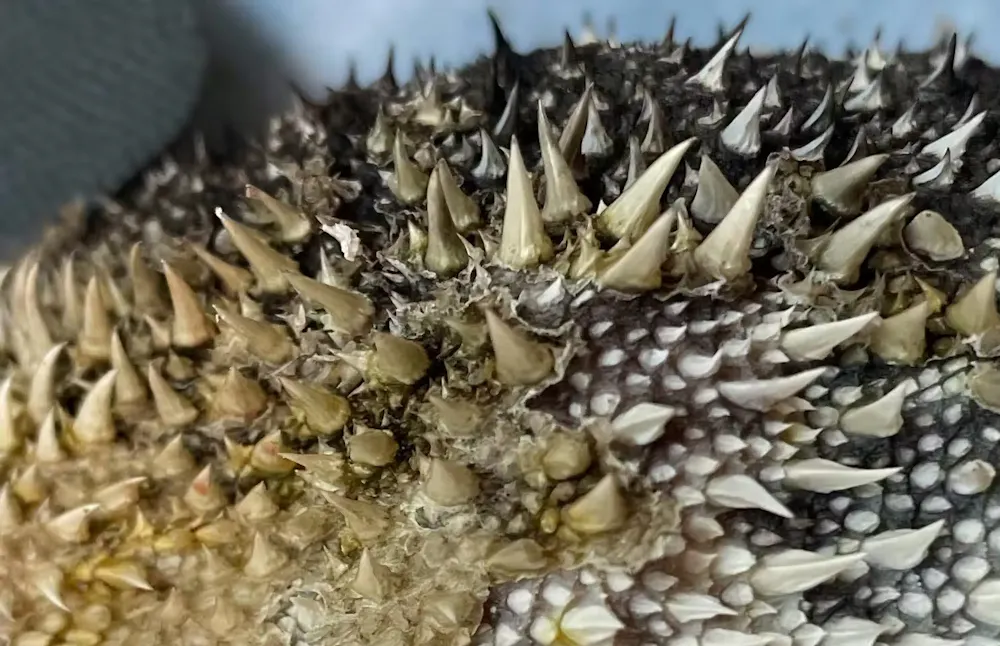 This eastern bearded dragon has been infected with Paranannizziopsis (yellow discolouration).
Shelly Butcher, CC BY-NC-ND
What can you do?
Citizen scientists, wildlife enthusiasts and members of the community can all contribute.
By recognising signs of illness, reporting sick animals and practising responsible behaviour around wildlife, Australians can help protect our reptiles from these emerging fungal threats.
Report sick reptiles to track disease spread
- If you see a sick reptile, keep your distance and look for brown or yellow crusty skin lesions, abnormal shedding, swelling, wounds that don’t heal or unusually lethargic behaviour.
- If it’s safe, take clear photos and record the location.
- Contact your local wildlife rescue group, wildlife hospital or vet.
- Submit sightings to local wildlife authorities or citizen science platforms such as iNaturalist.
- Early reporting helps researchers track and manage disease spread.
Never release pet reptiles
- Captive reptiles can carry pathogens which can be harmless to them but devastating to wild populations.
- If you can’t care for your pet reptile, contact an animal rescue organisation or registered rehoming group. Never release pets into the wild.
Observe responsibly
- Avoid handling wild reptiles. In many regions this requires specific permits.
- If you are an authorised and trained handler and must move an animal, ensure your hands and equipment are cleaned between animals and locations.
What’s next?
Our novel findings in free-ranging Australian reptiles from one region in Queensland suggests there may be a hidden crisis.
We’re now surveying reptiles more broadly to understand how widespread these fungal infections are, which species are most at risk, and what environmental conditions favour disease spread.
Left unmanaged, these fungal infections could spread to threatened reptiles such as leaf tailed geckos, blind snakes, earless dragons and Nangur spiny skinks with disastrous consequences.
Understanding these diseases and controlling their spread will be essential if we are to protect Australia’s remarkable reptiles.
Wildlife vet Dr Bertrand Ng contributed to writing this article.


