

Timothée Chalamet says nobody cares about opera and ballet. The backlash ignores an awkward truth
- Written by The Conversation
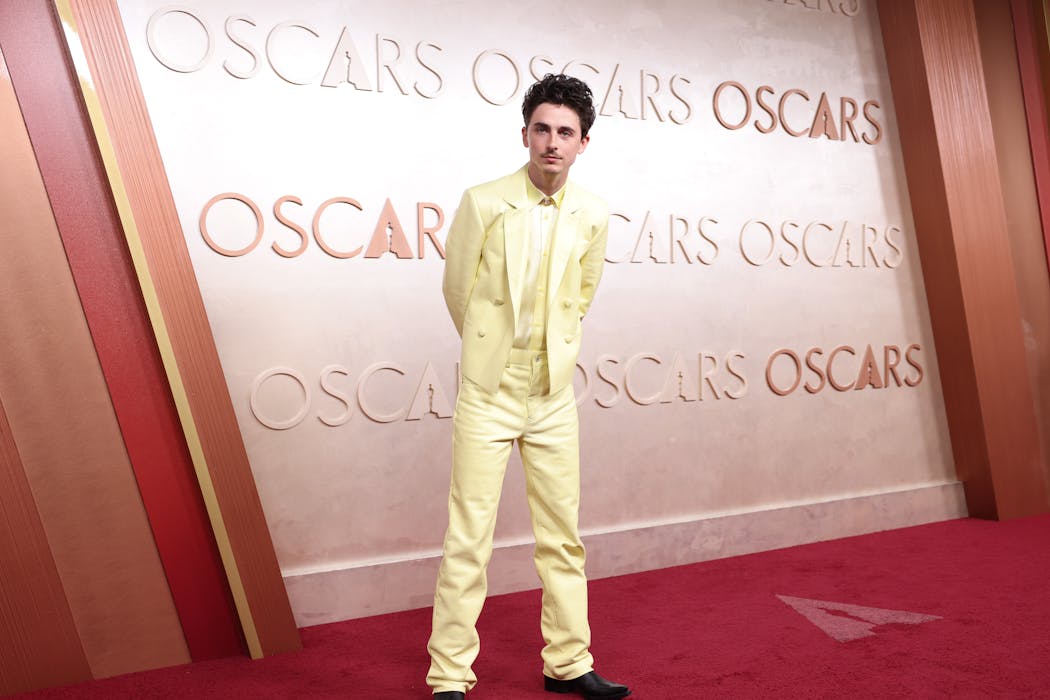
During a recent interview to promote his film Marty Supreme, Best Actor-nominee Timothée Chalamet said “no one cares about” opera and ballet anymore.
The actor’s comments, labelled both a slight and swipe by news outlets has provoked swift rebuke from prominent individuals and opera and ballet companies worldwide. Some have suggested the furore may affect his chances of winning the top award at the Oscars ceremony.
Why have Chalamet’s comments hit such a nerve? Is it because his mother and sister both danced with the School of American Ballet? Or is it the hurtful realisation, as dance critic Gia Kourlas notes in her piece for the New York Times, that the only way for ballet to get noticed in the mainstream media is to be dissed by a celebrity?
A health check on ballet
Dance Australia tried a positive spin on the situation. They suggested Chalamet’s comments “may prove unexpectedly useful […] to articulate, once again, why the artform continues to matter”.
Meanwhile, Queensland Ballet Artistic Director Ivan Gil-Ortega wrote of the challenges of “honouring the heritage of ballet while ensuring it remains alive and relevant for audiences today”.
Former dancer-turned-critic Emma Sandall argued ballet has moved “repeatedly in and out of fashion” and “always existed through one form of patronage or another”.
Australia’s national ballet company, The Australian Ballet, has faced a recent decline in attendance. Total live performances fell from 248 in 2023 to 200 in 2024, while attendance dropped from 305,364 to 225,771.
Live Performance Australia, which incorporates ballet and dance into a single national figure, reported a 10.4% decline in attendance over the same period – and a drop of almost 30% from 2010 to 2024.
Reflecting on its A$9.1 million loss in 2024, Chair of The Australian Ballet, Richard Dammery wrote:
without philanthropy, the Australian Ballet would be in a dire financial position. The company only exists […] because of generous donors.
An analysis of the American sector showed half of the 150 ballet companies surveyed were operating in a deficit in the 2023 financial year. Attendance levels for ballet and other forms of live dance in the US almost halved between 2017-2022.
What about opera?
Opera faces a similar dilemma. Opera companies are vexxed by the question of how to remain loyal to artistic values while embracing market economics.
Research suggests they should look for alternate sources of revenue and overhaul traditional approaches to programming. But this comes with risks, such as alienating core audiences and potential donors.
Opera Australia’s forays into musical theatre previously “allowed the company to grow income at a faster rate than expenditure”.
However, programming Andrew Lloyd Webber’s Sunset Boulevard in 2024 coincided with a A$10 million operating loss and 23% drop in attendance. Former CEO Craig Hassall (CEO from 2013-16) was scathing. He labelled Sunset Boulevard as “disastrous” – and the 2025 follow-up Guys and Dolls as “crazy”.
Reflecting on his final year with the company, Hassall observed that total performances of the musical My Fair Lady rivalled “all of the main-stage operas combined”. He warned:
this addiction to musicals dangerously deprecated the company’s assumed raison d’être: first and foremost, to present opera. Musicals are not opera.
The newly minted CEO, Alex Budd, thanked Chalamet for bringing attention to the art form, and invited him to join the company’s under-35 program. This initiative sold 1,110 tickets when it was launched in 2024. For reference, the capacity of the Joan Sutherland Theatre is 1507.
Budd boasted that Opera Australia has one million seats on sale in 2026. But, in a season that includes three musicals – Anastasia, The Phantom of the Opera and My Fair Lady – he doesn’t say how many of the one million seats are actually for opera.
The world’s largest repertory opera house, The Metropolitan Opera, is adding performances and extending upcoming seasons. But it also faces significant budgetary issues.
Multiple articles published by the New York Times have reported salary cuts, layoffs and a drained deficit fund at the Met Opera. And this is against the backdrop of a tentative deal with Saudi Arabia to secure US$200 million in lifeline funding.
The sale of two Chagall murals owned by the company (valued at US$55 million by Sotheby’s) was also reportedly under consideration.
Labor economist Christos Makridis – who studies the economics of art and culture – recently argued the future is dire for opera companies who concentrate on the preservation of their art form rather than popularising, monetising and growing what they do.
Locally, the Australian Research Council is supporting research to investigate how performing arts companies can increase accessibility and expand audiences. But practical advice will be slow to arrive, and will take time to implement.
The bigger picture
The last National Arts Participation Survey undertaken by Creative Australia found weekly attendance across all art forms dropped from 5% in 2019 to 3% in 2022. This suggests a broader, sector-wide issue.
The opera and ballet sectors continue to argue of their inherent relevance. Popularity, or a lack thereof, does not determine the inherent value of an art form. But a more circumspect position would be to acknowledge and confront the scale of the huge task ahead.
What will opera and ballet organisations do, and change, to ensure their survival?
Chalamet’s words may have galvanised a community. But the community’s response has highlighted a prevalent disconnect between artists’ and administrators’ feelings, and their ability to address the conditions threatening their industries.


