

Heading to Bali, Vietnam or Thailand? Why a measles vaccine is more important than ever
- Written by The Conversation
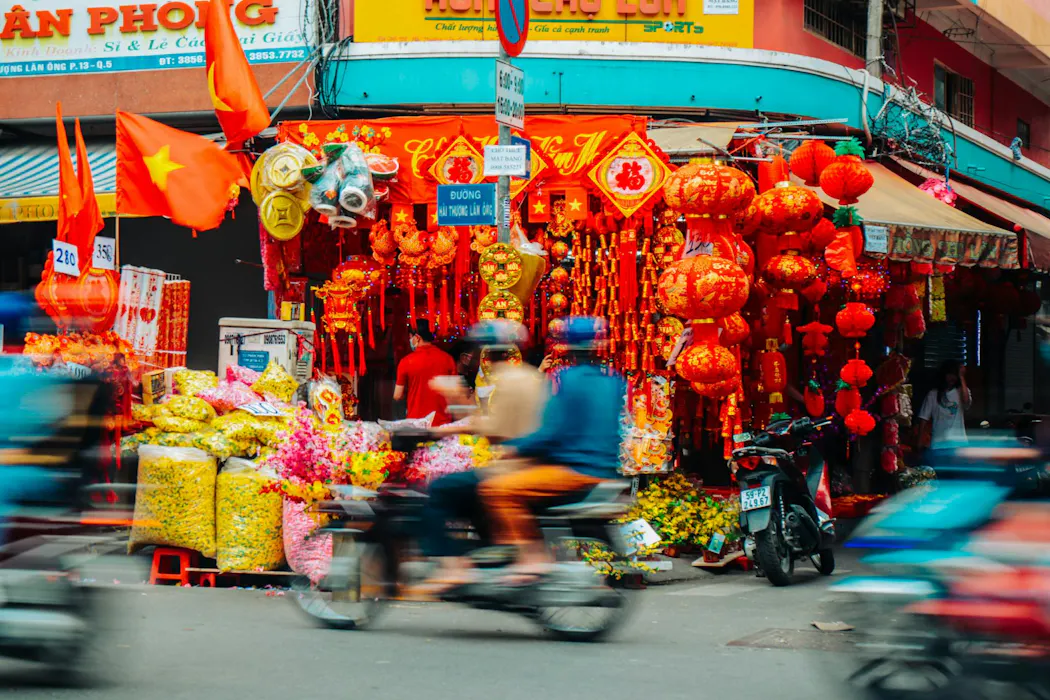
If you’re planning an Easter holiday to Bali, Vietnam or Thailand, it’s a good time to check if you and your family are vaccinated against measles.
These are among destinations in Southeast Asia with ongoing measles outbreaks, and Australian health authorities are concerned.
Several Australian jurisdictions have reported ongoing measles cases linked to overseas travel, particularly in Southeast Asia.
With travel increasing during holiday periods, so does the risk of bringing this highly infectious disease into Australia and triggering an outbreak.
But some infections have occurred in Australians who haven’t travelled, and who have no known contact with anyone with measles.
This suggests local transmission is a risk, particularly as fewer young children are receiving both recommended doses of the measles vaccine.
What’s happening in Southeast Asia?
Indonesia, including Bali, remains one of the most common destinations for Australian travellers and continues to have periodic measles outbreaks.
As of February 2026, Indonesia is listed third (behind India and Angola) in the US Centre for Disease Control’s top ten countries for measles outbreaks.
Vietnam has also reported increased measles activity in recent years, particularly affecting young children.
Measles is endemic in Thailand (meaning the virus is always present in the community). World Health Organization data shows a surge in transmission since 2023.
Measles transmission also continues in other popular destinations including the United Kingdom and the United States.
Travel-related cases are driving infections
Australia was declared measles-free in 2014. But as measles remains common in many parts of the world, international travel means it can quickly return to Australia.
In fact, most measles cases in New South Wales in the past year or so were linked to overseas travel. Between January 1 2025 and March 7 2026, 34 of 60 infections were acquired overseas, particularly in Southeast Asia (32 of those cases).
Of the 26 locally acquired infections, 18 were directly linked to a known imported case. Eight had no clear source at the time of reporting, suggesting community transmission.
Measles has been reported across several other states and territories in 2026. These include in Western Australia, Queensland, Victoria, South Australia and Australian Capital Territory.
Why are we so worried about measles?
Measles is far more than a routine childhood illness. It is one of the most infectious known diseases.
The measles virus travels in tiny airborne particles. These particles can remain suspended in indoor air for up to two hours.
This makes transmission more likely in crowded places such as airports, shopping centres, restaurants and hospitals.
An infected person can spread measles to others even before they know they have it. They can spread it from four days before the rash appears through to four days afterwards. So by the time the diagnosis is suspected, many others may already have been exposed.
Measles can start with flu-like symptoms before a rash appears. Later, there can be severe complications including lung infections (pneumonia), ear infections (otitis media), and inflammation of the brain (encephalitis).
About one to three in 1,000 infections in high-income countries can be fatal.
But I thought Australians were vaccinated?
Because measles spreads so easily, about 95% of the population needs to be immune to prevent ongoing community transmission. This is a known as “herd immunity”.
This means that people who cannot be vaccinated – including very young babies, individuals receiving chemotherapy and others with underlying immune disorders – can be protected, if 95% of the population has been immunised.
According to national data from 2024, about 94.7% of Australian children receive their first measles vaccine dose at 12 months of age. Coverage fell to around 89.5% for children receiving a second on-time dose, at 18 months.
This is what’s driving the current Australian outbreaks.
What travellers should do before going overseas
The most important step is to ensure you and your children are fully vaccinated, and to arrange catch-up vaccines if not.
This lowers the risk of getting sick and/or bringing measles back into Australia and exposing vulnerable groups. These include infants who are too young to be vaccinated who are at particularly high risk, and pregnant people who may experience more severe disease.
You can check your children’s vaccination status via your myGov account or you can ask your health-care provider to look up their records.
Measles vaccines are provided free under Australia’s National Immunisation Program to children at 12 and 18 months.
However, infants as young as six months can receive an extra “early” dose if travelling. This early dose is safe, effective and well tolerated. These infants will also need their routine doses (at 12 and 18 months of age).
Adults born in 1966 or after who do not have two documented doses should consider vaccination.
The measles vaccine has an excellent safety and effectiveness record. Two doses provide long-lasting protection for around 99% of people who are vaccinated.
Try to get vaccinated at least two weeks before departure. This allows for immunity to develop.
We need to stay alert
Measles control is a global problem that requires local vigilance. As international travel increases, ensuring vaccinations are up to date remains one of the most reliable ways to protect individuals, communities and those who are most vulnerable.
Emma Birrell, an Immunisation Clinical Nurse Specialist with Sydney Children’s Hospitals Network, co-authored this article.


