

How to enjoy Easter chocolate without wrecking your sleep
- Written by The Conversation
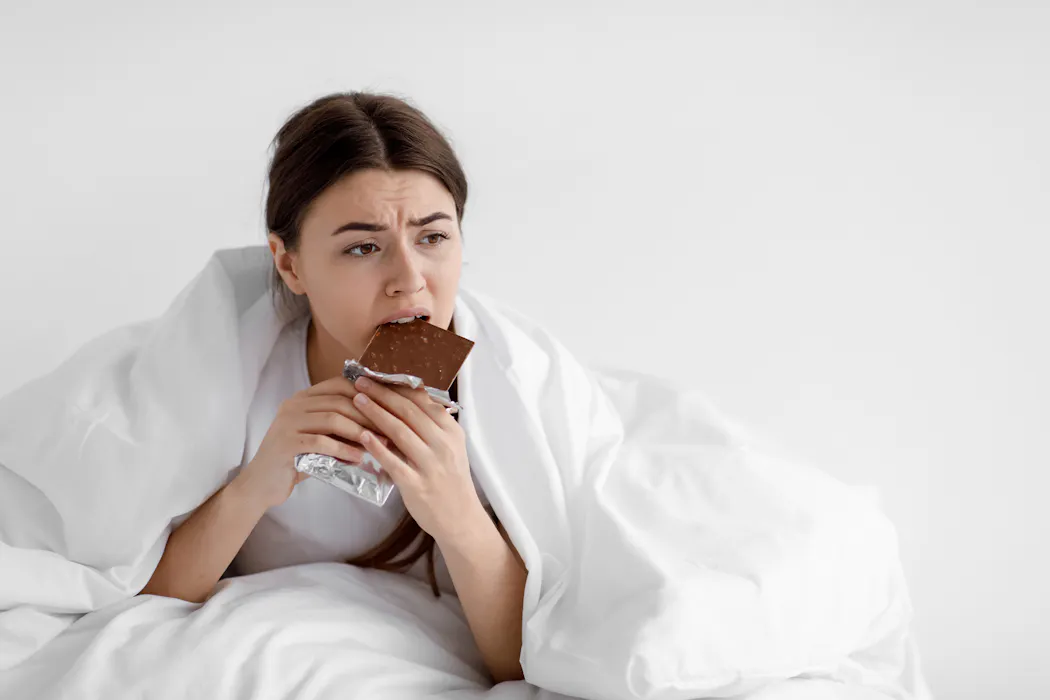
Easter is here and chocolate is everywhere – crowding shop shelves, piling up on desks, and likely already sitting in your pantry.
But if you’ve been finding it harder to sleep recently, late-night Easter eggs could be part of the problem.
That’s because some chocolate ingredients, including caffeine and sugar, may be sneakily impacting your sleep.
But if you love chocolate, you don’t have to give it up completely. Instead, here are some science-backed tips for enjoying it without sacrificing your sleep.
The science of chocolate
Most of us will agree that chocolate is delicious. This is because it’s made of tasty ingredients such as cocoa, cocoa butter and sugar.
But it’s more than just a sweet treat. Chocolate contains hundreds of naturally occurring compounds including mild stimulants, which are substances that make the mind or body more active. These stimulants can impact how well you sleep.
Here are three ingredients worth knowing about.
Sugar
Sugar is one of the main ingredients in chocolate. When you eat high-sugar foods, such as chocolate eggs, your blood sugar levels tend to rise quickly. In response, your body releases insulin to bring those levels back down.
So if you eat chocolate in the evening, you’ll likely experience a blood sugar spike. This will temporarily boost your energy levels, but also means you’re less likely to feel naturally sleepy. When that spike wears off, your blood sugar levels will suddenly dip. All these fluctuations can disrupt sleep quality later, making it harder to stay asleep at night.
Caffeine
Chocolate also contains caffeine. Caffeine works by blocking a sleep-promoting chemical in your brain, called adenosine. When the adenosine signal is blocked, we feel more alert. While this is useful during the day, consuming caffeine in the evening can make it harder to fall asleep.
A single chocolate mini-egg contains a tiny amount of caffeine, typically just a few milligrams. If we compare this with a shot of espresso, which contains between 50 and 70 milligrams of caffeine, this doesn’t seem like a lot. But if you eat multiple chocolate eggs at once, say during Easter, this caffeine may start to affect your sleep. Even small amounts of caffeine can delay how quickly you fall asleep, and also impact how how well you sleep. And combining caffeine with sugar, in foods such as Easter eggs, can compound these effects.
Theobromine
Chocolate also contains theobromine, a stimulant commonly found in cocoa beans. Theobromine is similar to caffeine in that it blocks the adenosine signal. Theobromine can also increase your heart rate, meaning you’re more likely to feel restless. So while it isn’t as strong as caffeine, theobromine may impact your ability to fall and stay asleep.
The good news
Thankfully, you don’t have to give up chocolate to sleep well. But if you are tucking into some Easter eggs, here are three questions to ask yourself.
1. When am I eating?
Eating anything close to bedtime can make it harder to fall asleep, and may reduce the quality of your sleep. It might also increase your chance of having vivid dreams.
Late-night eating can also lead to digestive problems. Research suggests the human body has a harder time digesting food at night. If you eat food right before bed it can cause various symptoms, including acid reflux. Acid reflux is a common digestive condition where stomach acid flows back into your food pipe, causing an uncomfortable burning sensation. Eating chocolate in the evening may cause acid reflux because ingredients such as caffeine and theobromine relax the muscles that keep stomach acid in place.
Chocolate also has a high fat content, which can slow digestion and contribute to acid reflux. These digestive problems can make it harder to fall and stay asleep.
So it’s best to avoid eating any food, including chocolate, at least three hours before you go to bed.
2. What am I eating?
Dark chocolate typically contains more cocoa than other kinds of chocolate. This means it also contains higher levels of caffeine and theobromine. So if you’re reaching for chocolate late at night, it may be best to avoid dark chocolate.
White chocolate is not made from cocoa solids, so generally contains no caffeine. However, it still has a high sugar and fat content. So you should also consider limiting how much white chocolate you eat before bed.
During the day, you can enjoy whatever kind of chocolate you prefer. But in the evening, it’s best to avoid eating any chocolate too close to bedtime.
3. How much am I eating?
Enjoying a small chocolate egg after dinner is unlikely to affect your sleep in any noticeable way. But eating a whole chocolate bunny, particularly right before bed, is another story. What’s key is managing your portions and giving your body time to digest before you head to bed.
The bottom line
For most people, eating chocolate won’t have a major impact on your sleep. But it helps to keep track of when, what, and how much chocolate you’re eating, particularly around bedtime. That way you can enjoy your Easter eggs without sacrificing any shut-eye.
Read more https://theconversation.com/how-to-enjoy-easter-chocolate-without-wrecking-your-sleep-278061


