

Labor won't overhaul environment laws until next year. Here are 5 easy wins it could aim for now
- Written by The Conversation

Environment Minister Tanya Plibersek this week acknowledged the grave state of Australia’s environment and pledged new laws to go before parliament next year.
But talk is cheap. The long-delayed State of the Environment report was not a surprise. Experts have sounded the alarm for years about the worsening plight of species and ecosystems. Labor had nine years in opposition to prepare policies. Where is the immediate action?
The new government has a tough job ahead. It took office as Australia faces overlapping and worsening environmental crises, due to more than two centuries of damage to the atmosphere, oceans, rivers and lands. And it must reverse nine years of Coalition neglect on environment policy.
The previous government sat on the State of the Environment report for months, squandering precious time. So while Labor works on its longer-term environmental reforms, here are five easy ways it can get started now.

1. Restore degraded farmland with native vegetation
More than half of Australia’s farmland is now considered degraded. Degraded land reduces the farm’s productivity and can cause significant soil erosion and aridity. The fix? Bringing back native plants tackles all these issues, as well as making farms more resilient to damage from insects and fires and less likely to damage the water table.
Restoring native vegetation doesn’t mean turning farms into forests. Strategic planting along fence lines, waterways, dams and around intact shade trees can often be enough to bring back wildlife.
Native plants boost biodiversity. More than 70% of our endangered species need targeted restoration to recover populations decimated through land clearing. Ecosystem restoration will also significantly boost natural carbon storage.
The easy win for the government? Offer tax incentives to plant diverse native trees. We already have ways to measure the carbon and biodiversity benefits of such restoration efforts, like those used by Queensland’s land restoration fund. Rewarding landholders for good land stewardship is an easy win.
2. Coordinate how we manage vegetation across all lands
The greatest threat to Australia’s biodiversity is native vegetation clearing. Our greatest carbon source, other than direct fossil fuel emissions and selling coal and gas, comes from land clearing. Australia is a global deforestation hotspot, with destruction and degradation rates hundreds of times greater than conservation rates.
Even habitat crucial to the long-term survival of threatened species doesn’t escape the bulldozers. An area the size of Tasmania of critical habitat has been cleared since legislation designed to stop this was introduced in 2000.
In short, these laws aren’t working. That was the conclusion of former consumer watchdog chief Graeme Samuel, who reviewed the Environment Protection and Biodiversity Conservation Act for the previous government.
The easy fix? Act on the most important recommendation put forward by Samuel and bring in a national Environment Protection Authority now – ahead of the full-scale legislative revamp Plibersek is promising for next year. This would give teeth to the laws as they stand.
 Land clearing for agriculture is still a problem in places like Queensland.
Dan Peled/AAP
3. Phase out logging of native forests
Logging our few remaining native forests is a bad idea. It destroys threatened species habitat, making these species more endangered. It worsens fire risk, endangering people’s lives. It threatens our water supplies. Native logging also accelerates climate change because old-growth intact forests store much more carbon than pine plantations.
Logging native forests no longer makes economic sense, given the enormous losses being run up by state forestry enterprises. There’s enough timber in plantations to provide the resources Australia needs.
The easy win? Phase out logging. Work with industry and set a clear time frame to exit native forest logging through revised and accelerated Regional Forest Agreements.
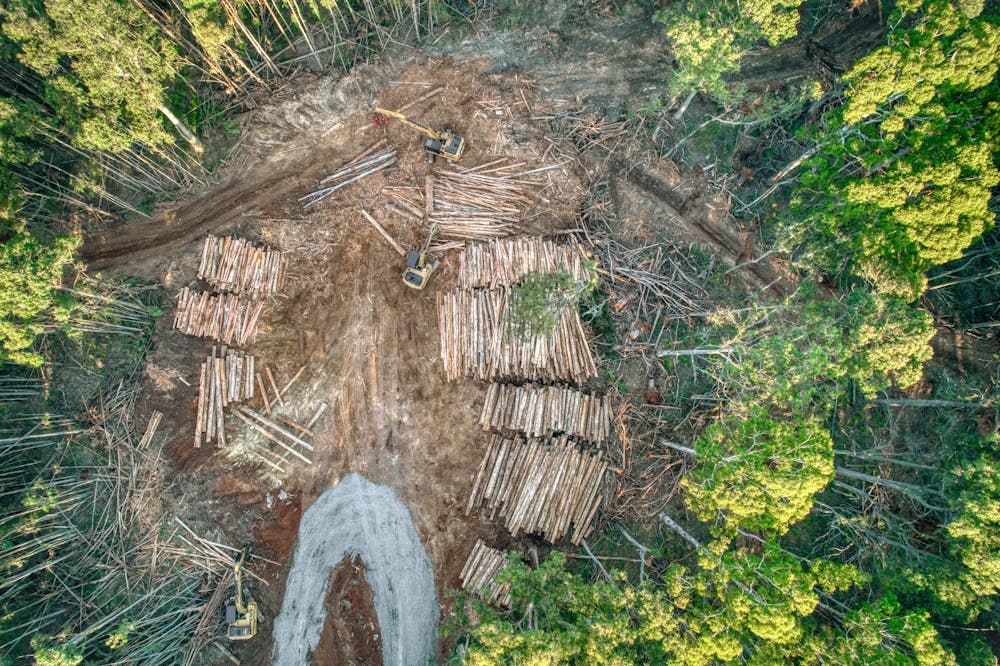 There are now enough plantations to end native logging operations like this in Victoria’s Wombat State Forest.
Shutterstock
4. Properly fund our protected areas
Australia’s protected areas listed in the National Reserve System are vital to our efforts to stop extinctions and biodiversity loss. Up to half of all of our endangered species live in protected areas like national parks and other reserves.
A well-managed national system of protected areas brings major climate benefits, due to the large land area under conservation management and avoiding losses that would otherwise occur through degradation and land clearing.
Australia now has 81 Indigenous Protected Areas, which play a crucial role in our national reserve system. These matter greatly, given their proven benefits to biodiversity, conservation and cultural connection to Country.
Unfortunately, our national reserves have been critically underfunded for many years. The rot started under the previous Labor government and continued through the Coalition’s nine years. Most protected areas now do not get enough funding to undertake any meaningful conservation.
The easy win? Fund our national reserve system better. These areas should be Australia’s jewels in the crown. But neglect has seen many reserves become hugely degraded. We cannot let cattle keep degrading endangered channel-country habitats of Diamintina National Park or let wild pigs keep trashing the lowland rainforests of Kutini-Payamu National Park.
 Warlpiri ranger Christine Michaels pictured in the Southern Tanami Indigenous Protected Area in central Australia in 2012.
Xavier La Canna/AAP
5. Urgently boost threatened species recovery efforts
Australia’s threatened species crisis is getting worse. More and more species are going from to threatened to critically endangered to extinct in the wild. Previous government efforts have simply not been enough.
At present, less than 40% of our 1,700-plus threatened species has a recovery plan of any sort. Only 100 of these species get specific attention through the latest national threatened species strategy. Essentially, we’ve been picking a few winners to try to save from extinction. It’s not good enough for the rest.
The easy win? Launch an emergency national response to fight species extinction. Use the knowledge and expertise we have developed through efforts like the Threatened Species Hub to map out where and how to recover these species in the most cost-effective way.
The environment can do with some quick wins
Of course, these wins are not the entire solution. What they offer is a fresh start to turn around years of neglect and start taking the environment as seriously as it needs to be.
To tackle our looming biodiversity and climate crises properly will take sustained effort. As these crises emerge from modelled futures into our lived reality, our leaders must – at long last – heed the dire warnings from scientists and economists.


