

Urban trees cool the world’s cities more than we thought – but we can’t rely on them alone
- Written by The Conversation
Cities and towns are usually 1–3°C hotter than the surrounding countryside, because asphalt, concrete and brick absorb heat from the sun and radiate it slowly. Some cities can be as much as 7°C hotter. This effect is known as the urban heat island.
This can be dangerous, especially in hot countries. In very hot conditions, dehydration and heat exhaustion become real risks. If it gets too hot, it can be lethal.
There’s one simple antidote: urban trees. Authorities around the world have planted more trees to counteract the heat.
But how effective is this? How much hotter would our cities be without trees?
To find out, we analysed data from nearly 9,000 cities around the world, home to about 3.6 billion people. As our new research shows, trees almost halve how much heat is trapped by the urban heat island effect.
This cooling is welcome. But it is far from even. Wealthier, suburban and humid cities have more trees on average.
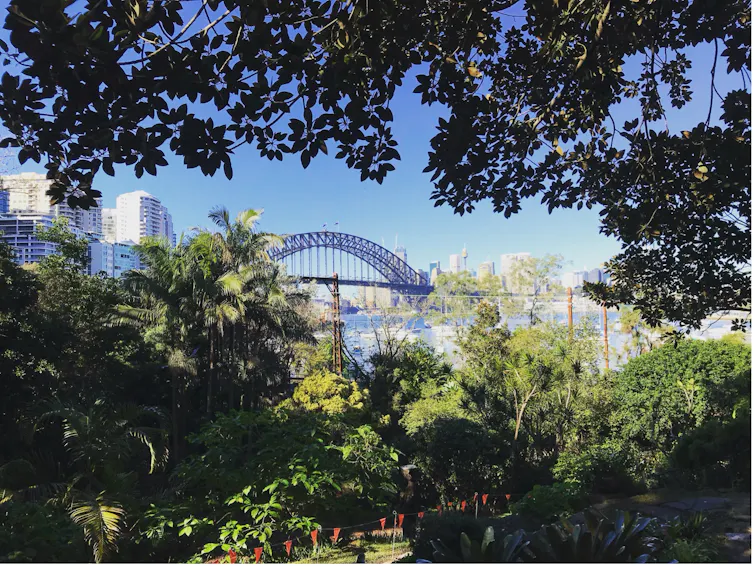
Why focus on trees?
Trees act like natural air conditioners. They shade the ground and stop asphalt and buildings from heating up in the first place. They also cool the air by releasing water vapour from their leaves in a process called transpiration, lowering surrounding temperatures. They can make a noticeable temperature difference, especially on sizzling summer days.
Trees offer a simple way to counteract urban heat. This matters. More than half the world’s population (55%) now live in urban areas according to the United Nations. By 2050, that figure is expected to rise to 68%. Cities are facing a hotter future, as climate change drives more intense and more frequent heatwaves. The urban heat island effect makes cities hotter still.
What did we do?
We wanted to know the answer to a simple question: how much hotter would cities be without trees?
To find out, we analysed global datasets of air temperature and fine-scale tree cover across almost 9,000 cities. Then we modelled a “what if” scenario, where all tree cover was removed, and compared it to current conditions.
This allowed us to estimate the real-world cooling effect trees provide for air temperature, which is the main way we perceive heat.
Most previous global studies have used surface temperatures, often from satellite data. But surfaces like roads and rooftops can become much hotter than the surrounding air above them, especially in direct sunlight. That can give an overestimate of how much cooling trees provide. Air temperature, by contrast, better reflects what people actually feel, making it a more reliable measure of heat.
So what effect do trees really have?
The effect was much larger than we had anticipated.
Globally, trees cut the urban heat island effect by almost 50%. Since the average urban heat island effect typically adds around 1–3°C, this translates into cooling of roughly 0.5–1.5°C in many cities.
For more than 200 million people, trees reduce local air temperatures by at least 0.5°C, enough to make a meaningful difference during extreme heat.
Cooling can vary a lot from place to place.
In hot, dry cities such as Phoenix in the United States, differences in tree cover can create clear differences in air temperatures. In more temperate cities like Lisbon in Portugal or Gothenburg in Sweden, the overall cooling is still significant, but generally smaller and more consistent across the city.
Trees are not evenly distributed
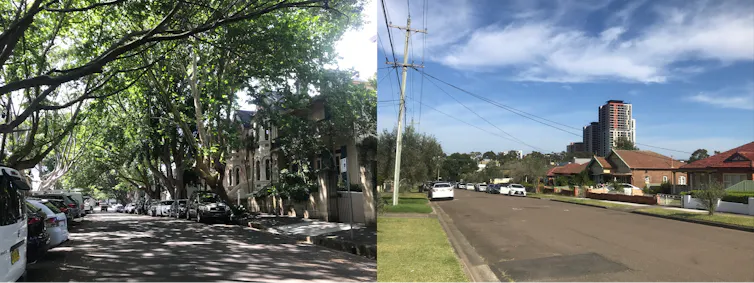
A city’s trees are not spread evenly. They’re often concentrated in wealthier neighbourhoods and suburban areas. Cities in cooler or more humid climates tend to have more.
Trees are scarcer in lower-income cities or in rapidly growing regions. This inequality is also visible in many cities. Leafy suburbs are usually several degrees cooler than nearby neighbourhoods with little vegetation.
There’s a strong link with wealth. In the United States, lower-income areas average 15% fewer trees than wealthier areas – and are 1.5°C hotter. This means the people who need free cooling from trees the most are often the least likely to receive it.
Planting more trees isn’t enough
Planting trees is often promoted as a simple solution to city heat. Trees are visible, relatively low cost and come with other benefits such as cleaner air and better mental health.
It’s no wonder authorities look to urban trees as a way to counteract the heat from escalating climate change. When you stand under a tree on a sweltering day, the cooling feels immediate and powerful.
But our study shows their effect is more limited in the face of climate change. The world’s current urban trees would, we estimate, offset just 10% of the extra heat expected by mid-century under moderate climate change scenarios. With ambitious planting, this could rise to around 20%.
While important, it’s not enough. A large majority of the extra heat will go unaddressed.
What else can be done?
If the world’s cities are to cope with rising temperatures, trees have to be seen as part of a broader strategy – not the whole answer.
Clever urban design can cut heat by using reflective materials, increasing green spaces and improving airflow between buildings. Green roofs and shaded streets can also make a difference.
New tree plantings should target hotter neighbourhoods with less existing tree canopy, as these will deliver the greatest benefits.
Of course, these measures don’t replace the need to tackle climate change directly by cutting greenhouse gas emissions.
Using trees wisely
Billions of trees grow in the world’s cities. They are hugely valuable, acting to cool cities, support biodiversity and making urban areas more liveable.
The challenge for city residents and authorities is to use trees wisely. Plant them where they’re needed most and combine them with other methods of reducing heat. Trees are remarkable. But they can’t do it all.


