

Understanding the Importance of Essential Amino Acids and Amino Acid Supplements for Fitness and Recovery
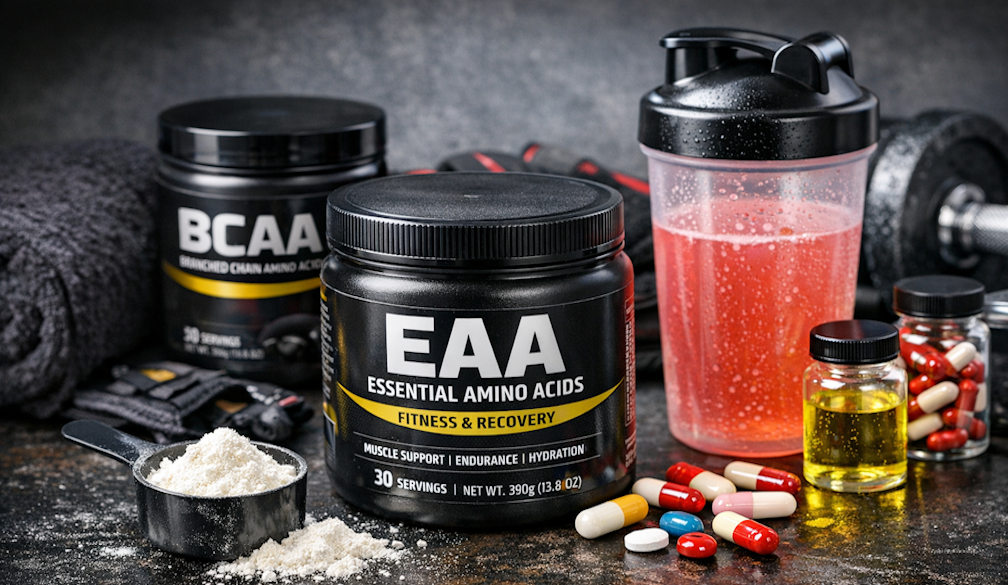
Athletes, fitness enthusiasts, and individuals who follow active lifestyles often focus on improving performance, strength, and recovery. While training and exercise play an important role in achieving these goals, nutrition is equally critical for supporting the body during physical activity. Among the most important nutrients for muscle growth and recovery are essential amino acids, which are vital components involved in protein synthesis and overall body function.
Many athletes also rely on amino acid supplements to help ensure they are meeting their nutritional needs, particularly when training intensity increases or recovery demands become greater.
What Are Amino Acids and Why They Matter
Amino acids are often referred to as the building blocks of protein. When protein is consumed through food or supplements, it is broken down into individual amino acids that the body uses for various physiological processes.
There are twenty amino acids that the human body requires. Some of these can be produced naturally by the body, while others must be obtained from dietary sources.
Essential amino acids fall into the second category, meaning they cannot be produced by the body and must be consumed through food or supplementation.
Because of their role in building and repairing tissues, essential amino acids are particularly important for individuals who engage in regular exercise.
The Role of Essential Amino Acids in Muscle Growth
Muscle growth occurs when muscle fibres are stressed during exercise and then repaired by the body. This repair process relies heavily on protein and amino acids.
Essential amino acids provide the raw materials required for muscle protein synthesis, which is the process through which new muscle tissue is formed.
Consuming adequate amounts of these amino acids supports the body’s ability to recover after training sessions and build stronger muscles.
For athletes and individuals involved in resistance training, maintaining proper amino acid intake is crucial for improving strength and endurance.
Benefits of Amino Acid Supplements
While whole foods such as meat, fish, eggs, and dairy products provide natural sources of amino acids, supplements offer a convenient way to ensure adequate intake.
Amino acid supplements are often formulated to deliver a balanced combination of essential amino acids that support muscle recovery and performance.
Many athletes use these supplements before, during, or after workouts to help reduce muscle breakdown and improve recovery time.
Another advantage is that amino acid supplements are typically absorbed quickly, allowing the body to utilise them efficiently during physical activity.
Supporting Muscle Recovery After Exercise
Recovery is an important part of any training program. During intense workouts, muscle fibres experience microscopic damage that must be repaired.
Essential amino acids help accelerate this repair process by supplying the nutrients needed to rebuild muscle tissue.
Faster recovery allows athletes to train more consistently without experiencing excessive fatigue or muscle soreness.
Amino acid supplements are therefore often included in post-workout nutrition routines.
Improving Endurance and Performance
Amino acids also play a role in supporting endurance and overall physical performance. Some amino acids help regulate energy production during exercise, allowing the body to maintain stamina during long training sessions.
Others assist in reducing the accumulation of metabolic waste products that contribute to fatigue.
By supporting energy metabolism and recovery, amino acid supplements help athletes maintain higher levels of performance during training.
This can be particularly beneficial for endurance sports such as running, cycling, or swimming.
Amino Acids and Overall Health
Beyond athletic performance, amino acids contribute to many essential functions in the body. They are involved in hormone production, immune system support, and enzyme activity.
Essential amino acids also help maintain healthy skin, hair, and connective tissues.
Because these nutrients are involved in so many biological processes, ensuring adequate intake is important for overall health and wellbeing.
Individuals who follow restricted diets may benefit from amino acid supplements to support nutritional balance.
Choosing the Right Amino Acid Supplements
When selecting amino acid supplements, it is important to consider product quality and formulation. High-quality supplements contain balanced combinations of essential amino acids designed to support muscle recovery and performance.
Consumers should also consider factors such as ingredient transparency, manufacturing standards, and compatibility with their dietary needs.
Consulting with healthcare or nutrition professionals can help ensure that supplements are used safely and effectively.
Choosing reputable products helps maximise the benefits of supplementation.
Combining Amino Acids With Balanced Nutrition
Although amino acid supplements can support fitness goals, they are most effective when combined with a balanced diet.
Whole foods provide a wide range of nutrients including vitamins, minerals, and fibre that contribute to overall health.
Athletes who combine proper nutrition with structured training and adequate rest are more likely to achieve sustainable results.
Supplements should therefore be viewed as an addition to a healthy lifestyle rather than a replacement for nutritious meals.
Supporting Long-Term Fitness Goals
Essential amino acids play a vital role in supporting muscle growth, recovery, and overall physical performance. By ensuring adequate intake through both food and supplementation, individuals can support their training efforts and improve their results.
For athletes and active individuals, maintaining proper amino acid balance helps promote faster recovery, improved endurance, and better overall performance.
With the right nutrition strategies, essential amino acids can contribute significantly to long-term fitness and wellness goals.


