

Young cold-blooded animals are suffering the most as Earth heats up, research finds
- Written by The Conversation
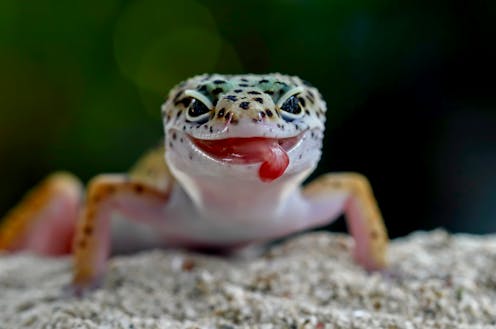
Climate change is making heatwaves worse. Many people have already noticed the difference – and so too have other animals.
Sadly, research by myself and colleagues has found young animals, in particular, are struggling to keep up with rising temperatures, likely making them more vulnerable to climate change than adults of their species.
The study focused on “ectotherms”, or cold-blooded animals, which comprise more than 99% of animals on Earth. They include fish, reptiles, amphibians and insects. The body temperature of these animals reflects outside temperatures – so they can get dangerously hot during heat waves.
In a warming world, a species’ ability to adapt or acclimatise to temperatures is crucial. Our study found that young ectotherms, in particular, can struggle to handle more heat as their habitat warms up. That may have dramatic consequences for biodiversity as climate change worsens.
Our findings are yet more evidence of the need to urgently reduce greenhouse gas emissions to prevent catastrophic global heating. Humans must also provide and retain cool spaces to help animals navigate a warmer future.
Tolerating heat in a changing climate
The body temperature of ectotherms is extremely variable. As they move through their habitat, their body temperature varies according to the outside conditions.
However, there’s only so much heat these animals can tolerate. Heat tolerance is defined as the maximum body temperature ectotherms can handle before they lose functions such as the ability to walk or swim. During heat waves, their body temperature gets so high they can die.
Species, including ectotherms, can adapt to challenges in their environment over time by evolving across generations. But the rate at which global temperatures are rising means in many cases, this adaptation is not happening fast enough. That’s why we need to understand how animals acclimatise to rising temperatures within a single lifetime.
Unfortunately, some young animals have little to no ability to move and seek cooler temperatures. For example, baby lizards inside eggs cannot move elsewhere. And owing to their small size, juvenile ectotherms cannot move great distances.
This suggests young animals may be particularly vulnerable during intense heat waves. But we know very little about how young animals acclimatise to high temperatures. Our research sought to find out more.
Young animals at risk
Our study drew on 60 years of research into 138 ectotherm species from around the world.
Overall, we found the heat tolerance of embryos and juvenile ectotherms increased very little in response to rising temperatures. For each degree of warming, the heat tolerance of young ectotherms only increased by an average 0.13℃.
The physiology of heat acclimatisation in animals is very complex and poorly understood. It appears linked to a number of factors such as metabolic activity and proteins produced by cells in response to stress.
Our research showed young land-based animals were worse at acclimatising to heat than aquatic animals. This may be because moving to a cooler temperature on land is easier than in an aquatic environment, so land-based animals may not have developed the same ability to acclimatise to heat.
Heat tolerance can vary within a species. It can depend on what temperatures an animal has experienced during its lifetime and, as such, the extent to which it has acclimatised. But surprisingly, our research found past exposure to high temperatures does not necessarily help a young animal withstand future high temperatures.
Take, for example, Lesueur’s velvet gecko which is found mostly along Australia’s east coast. Research shows juveniles from eggs incubated in cooler nests (23.2℃) tolerated temperatures up to 40.2℃. In contrast, juveniles from warmer nests (27℃) only tolerated temperatures up to 38.7℃.
Those patterns can persist through adulthood. For example, adult male mosquito fish from eggs incubated to 32℃ were less tolerant to heat than adult males that experienced 26℃ during incubation.
These results show embryos are especially vulnerable to extreme heat. Instead of getting better at handling heat, warmer eggs tend to produce juveniles and adults less capable of withstanding a warmer future.
Overall, our findings suggest young cold-blooded animals are already struggling to cope with rising temperatures – and conditions during early life can have lifelong consequences.
Read more: We know heatwaves kill animals. But new research shows the survivors don’t get off scot-free
What’s next?
To date, most studies on the impacts of climate change have focused on adults. Our research suggests animals may be harmed by heatwaves long before they reach adulthood – perhaps even before they’re born.
Alarmingly, this means we may have underestimated the damage climate change will cause to biodiversity.
Clearly, it’s vitally important to limit global greenhouse gas emissions to the extent required by the Paris Agreement.
But we can also act to protect species at a finer scale – by conserving habitats that allow animals to find shade and shelter during heatwaves. Such habitats include trees, shrubs, burrows, ponds, caves, logs and rocks. These places must be created, restored and preserved to help animals prosper in a warming world.
Read more: Beyond net-zero: we should, if we can, cool the planet back to pre-industrial levels


