

Is menopause making me put on weight? No, but it's complicated
- Written by The Conversation

It’s a question people ask often: does menopause cause weight gain?
Women commonly put on weight as they enter menopause. Research shows women aged 46-57 gain an average of 2.1kg over five years.
But like many things related to weight, all is not what it seems, and the relationship between menopause and weight gain is not straightforward.
Here’s everything you need to know about menopausal weight gain and what you can do about it.
What typically happens to women’s bodies during menopause?
Menopause marks the natural end of the reproductive stage of a woman’s life. It officially starts when a woman has not menstruated for 12 months, and most women reach menopause between the ages of 45 and 55, but it can happen much earlier or later.
The transition to menopause, however, typically starts four years prior, with perimenopause marking the time when a woman’s ovaries start slowing down, producing less oestrogen and progesterone. Eventually, these hormone levels fall to a point at which the ovaries stop releasing eggs and menstruation stops.
The symptoms associated with the menopausal transition are many and varied, and can include irregular periods, breast pain, vaginal dryness, hot flashes, night sweats, fatigue, difficulty sleeping, and changes in mood and libido.
Read more: How long does menopause last? 5 tips for navigating uncertain times
So does menopause cause weight gain?
The short answer is no. But it’s complicated.
When it comes to menopause and weight, it’s weight redistribution – not weight gain – that is actually a symptom. Research has confirmed menopause is linked to an increase in belly fat but not an increase in overall weight.
This is because the hormonal changes experienced during menopause only prompt a change in where the body stores fat, making women’s stomachs and waists more prone to weight gain. Research shows visceral fat (deep belly fat) increases by nearly 50% in postmenopausal women, compared with premenopausal women.
It’s also important to recognise some menopause symptoms may indirectly contribute to weight gain:
sleep issues can lead to sleep deprivation, disturbing the body’s appetite hormones, increasing feelings of hunger and triggering food cravings
some mood changes can activate the body’s stress responses, increasing the production of the hormone cortisol, promoting fat storage and triggering unhealthy food cravings. Mood can also impact the motivation to exercise
fatigue, breast pain and hot flushes can make physical activity challenging or uncomfortable, also impacting the ability to exercise.
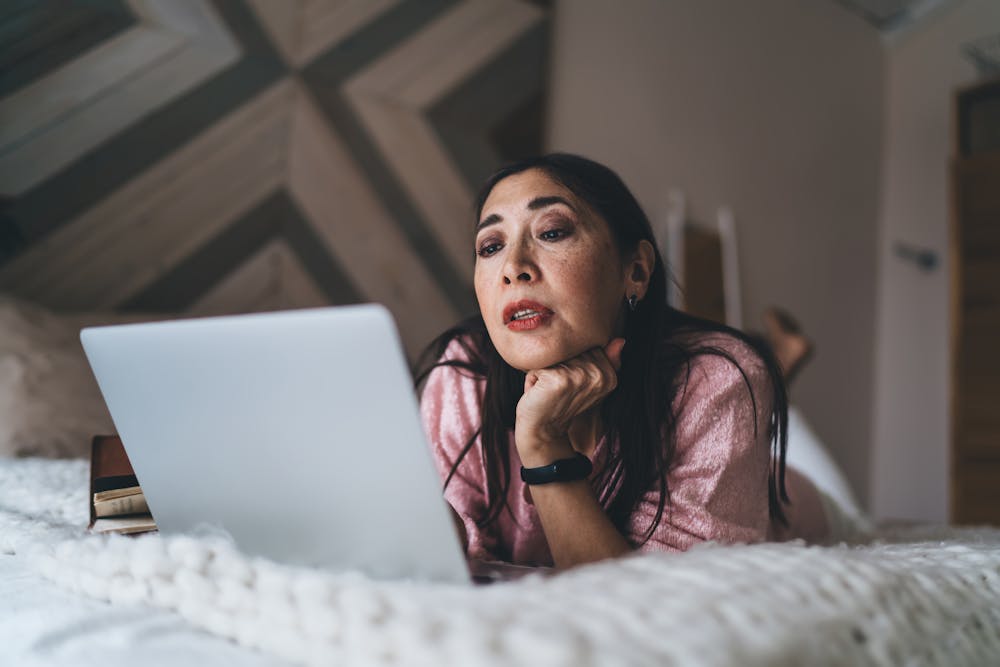
The truth? Ageing is the real cause of menopausal weight gain
You read that right – the weight gain often associated with menopause is a byproduct of ageing.
As the body ages, it stops working as efficiently. It experiences an involuntary loss of muscle mass – referred to as sarcopenia – and fat levels begin to increase.
Because muscle mass helps determine the body’s metabolic rate (how much energy the body burns at rest), when we lose muscle, the body starts to burn fewer calories at rest.
Ageing also means dealing with other health issues that can make weight management more complex. For example, medications can impact how the body functions, and arthritis and general aches and pains can impact mobility and the ability to exercise.
In short – the body’s ageing process and changing physicality is the real reason women experience menopause weight gain.
Read more: 'Brain fog' during menopause is real – it can disrupt women's work and spark dementia fears
It’s not just weight gain
While menopause doesn’t make you put on weight, it can increase a woman’s risk of other serious health conditions.
The redistributed weight that leads to more fat being carried in the belly can have long-term effects. Belly fat that lies deep within the abdominal cavity (visceral fat) is an especially unhealthy fat because it’s stored close to the organs. People with a high amount of visceral fat have a higher risk of stroke, type 2 diabetes and heart disease than people who hold body fat around their hips.
The reduction in the amount of oestrogen produced by the ovaries during menopause also increases a woman’s risk of heart disease and stroke. This is because oestrogen helps keep blood vessels dilated – relaxed and open – to help keep cholesterol down. Without it, bad cholesterol can start to build up in the arteries.
Lower oestrogen can also result in a loss of bone mass, putting women at greater risk of osteoporosis and more prone to bone fractures and breaks.
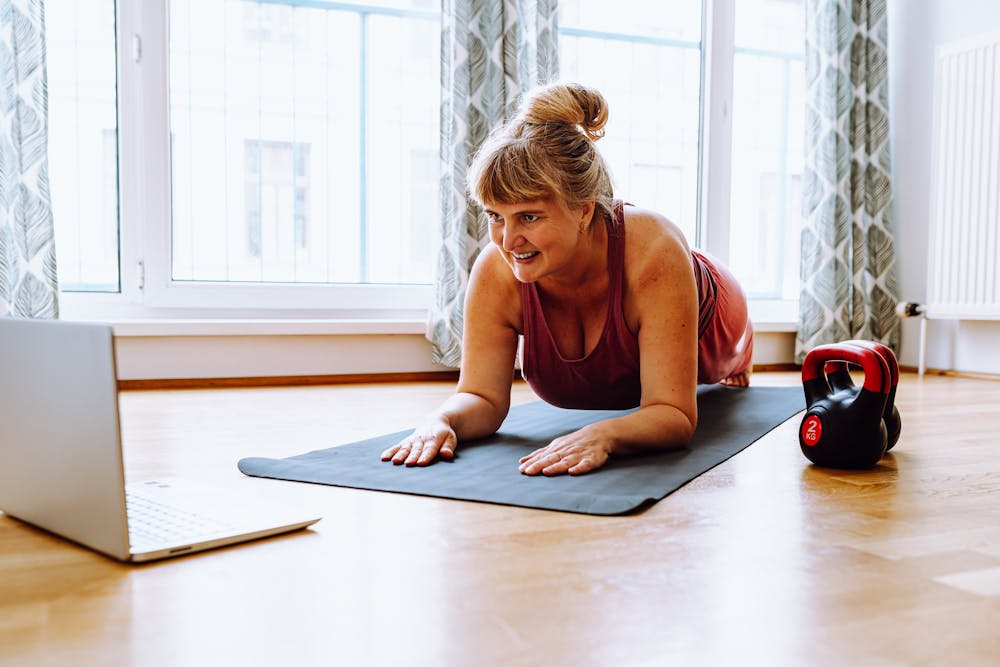 Mood changes and fatigue can affect exercise motivation.
Shutterstock
Mood changes and fatigue can affect exercise motivation.
Shutterstock
The bottom line: can we prevent weight gain during menopause?
Menopause itself does not cause weight gain; it unfortunately just occurs during a stage of life when other factors are likely to. The good news is weight gain associated with ageing is not inevitable, and there are many things women can do to avoid weight gain and health risks as they age and experience menopause.
Start with these six steps:
incorporate daily exercise into your routine, with a mixture of intensities and variety of exercises, including body-strengthening exercises twice a week
stop dieting. Dieting drives up the weight your body will strive to return to (your “set point”), so you’ll end up heavier than before you began. You’ll also slow down your metabolism with each diet you follow
curb your sugar cravings naturally. Every time you feel an urge to eat something sugary or fatty, reach for nature first – fruits, honey, nuts, seeds and avocado are a few suitable examples. These foods release the same feelgood chemicals in the brain as processed and fast food do, and leave us feeling full
create positive habits to minimise comfort-eating. Instead of unwinding in the afternoon or evening on the couch, go for a walk, work on a hobby or try something new
eat slowly and away from distractions to reduce the quantity of food consumed mindlessly. Use an oyster fork, a child’s fork or chopsticks to slow down your eating
switch off your technology for a minimum of one hour before bed to improve sleep quality.
Read more: 'It changed who I felt I was.' Women tell of devastation at early menopause diagnosis
Read more https://theconversation.com/is-menopause-making-me-put-on-weight-no-but-its-complicated-198308


