

What should happen to native forests when logging ends? Ask Victoria's First Peoples
- Written by The Conversation
The end of native forest logging in Victoria announced last week was met with joy from conservationists and shock from timber industry workers.
To date, this has been how the story has been told: a win for the environment, a loss for jobs in the industry.
But there is an aspect of the story which hasn’t been told. The end of native timber harvesting is an opportunity for Victoria’s First Peoples to tend these forests again. Our voices have not been heard in this debate, but we have much to do on Forest Country.
You might think an end to logging, naturally means a return to wilderness. But wilderness as an ideal is a concept which has undermined the rights of Indigenous people. For tens of thousands of years, we worked with Forest Country to ensure its health. When colonists first arrived the land was often described as resembling parklands. Colonisation took that away. In some places this change allowed wilderness to set in and some to became more fire prone.
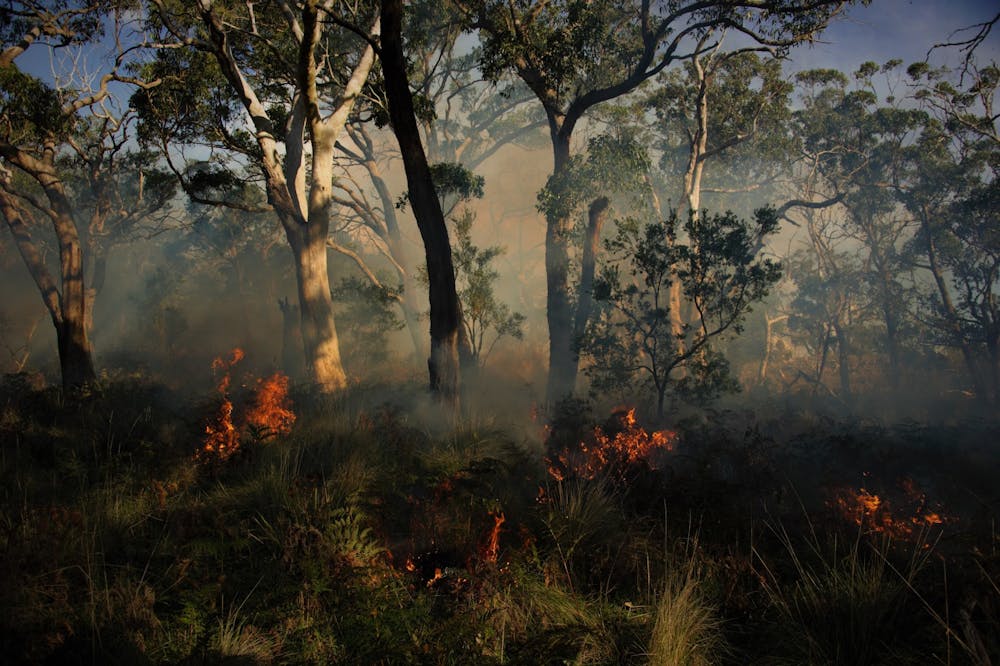
The end of native timber harvesting gives us an opportunity to rethink what Forest Country looks like. It doesn’t have to be dense forests everywhere. We could bring back areas of open Country and reintroduce practices such as cultural burning. We urge decision-makers and the public to keep their minds open – and listen to First Peoples voices.
First Nations voices must be heard
The Victorian government’s promise to end native forest logging also included retraining and redundancy packages for workers. The government also announced an advisory panel would be formed to recommend areas for future protected areas – and for Traditional Owner management.
Conservationists are celebrating a win sought for decades. The damage done by logging on biodiversity has been significant, with once common species now endangered and mature forests now fragmented and dotted with young fire-prone regrowth.
It’s understandable this news has been framed around what it means for conservationists, nature and timber workers. As three Aboriginal Victorians, we acknowledge the important role for each of these groups in current and future forest management. But so far, the commentary has largely failed to include the voices of First Peoples in asserting their rights and obligations as they relate to Forest Country.
What form should these forests take?
When colonisers first came to the forests of Gippsland, their observations were of open forests with few but large trees. These forest systems were cared for in a way which favoured a grassy understorey and a fine-scale mosaic landscape shaped by fire used at different times. This system produced abundant resources for the land’s Traditional Custodians, while supporting abundant and diverse native wildlife.
To maintain Country in this way took regular applications of low-intensity fire. The knowledge of how to manage Country in this way was lore. Over generations, our ancestors created and maintained productive landscapes designed for comfortable and safe human habitation. Foremost in the minds of our old people was nurturing Country, passing on cultural knowledge and keeping alive the tangible and intangible cultural values of their ancestors.
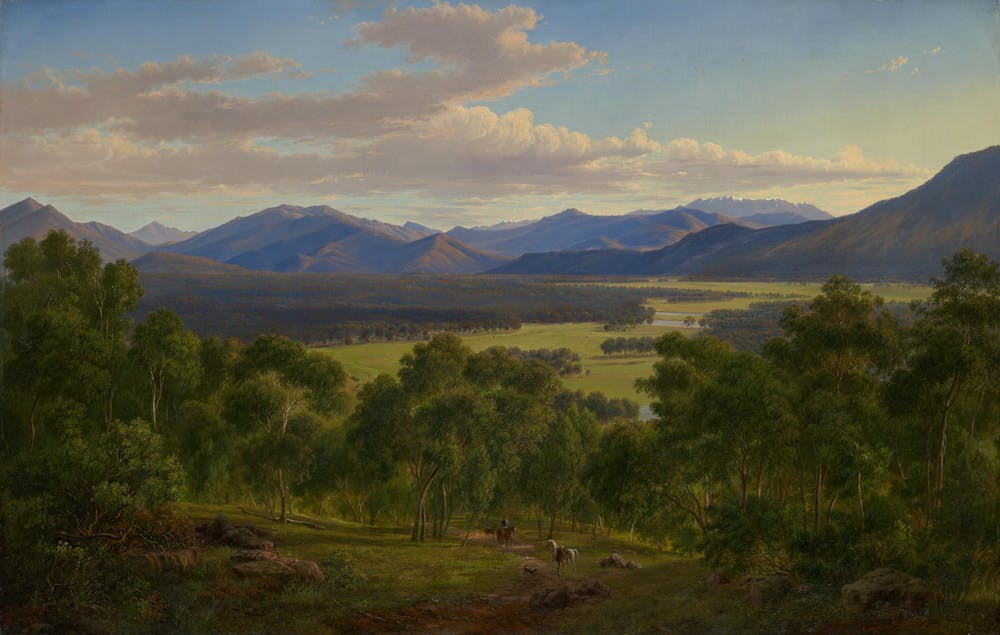 The park-like landscape early colonists saw was a cultural landscape created by First Nations. This 1866 Eugene von Guerard painting is Spring in the valley of the Mitta Mitta with the Bogong Ranges.
National Gallery of Victoria, Melbourne, CC BY-NC
The park-like landscape early colonists saw was a cultural landscape created by First Nations. This 1866 Eugene von Guerard painting is Spring in the valley of the Mitta Mitta with the Bogong Ranges.
National Gallery of Victoria, Melbourne, CC BY-NC
With the removal of the custodians from Country, the landscape thickened. Abundant saplings quickly replaced these open forests with impassable scrub. In many places, the landscape has become more prone to wildfire.
Plantations cemented this thickening further, by favouring high density forests of straight trees of the same age and usually the same species.
Colonisation affected Country differently across Australia. But many effects are similar across the continent. European-style land management coincides with species extinctions across the continent.
The destruction of cultural landscapes has been a major contributor to the loss of biodiversity and increase in catastrophic bushfires. It’s the reason for the poor health of Country.
What would real First Nations involvement look like?
To begin the process of repair, Victoria’s First Peoples have partnered with the state government to create strategies which speak to healing Country, bringing back cultural landscapes and cultural burning.
At present, Traditional Owner groups across the state are working towards developing their own strategies to manage their Country. This is producing detailed planning and productive on-ground work. We invite the state to invest in our work planning and caring for Country.
Like the government, we agree that the end to logging doesn’t mean walking away from forest management.
Read more: How 1970s conservation laws turned this ‘paradise on Earth’ into a tinderbox
Leaving our forests to themselves is not caring for Country. If we did that, it would entrench the persistent wilderness myth that all forests look after themselves. It would also be an avoidance of our responsibility to care for this land. We cannot and should not be shut out from these forests.
To return Forest Country to health doesn’t mean leaving it alone. In some cases, we may need to thin trees or use cool burns to bring back open Country. This will take careful planning and hard work. It will take people working on Country, informed by Country.
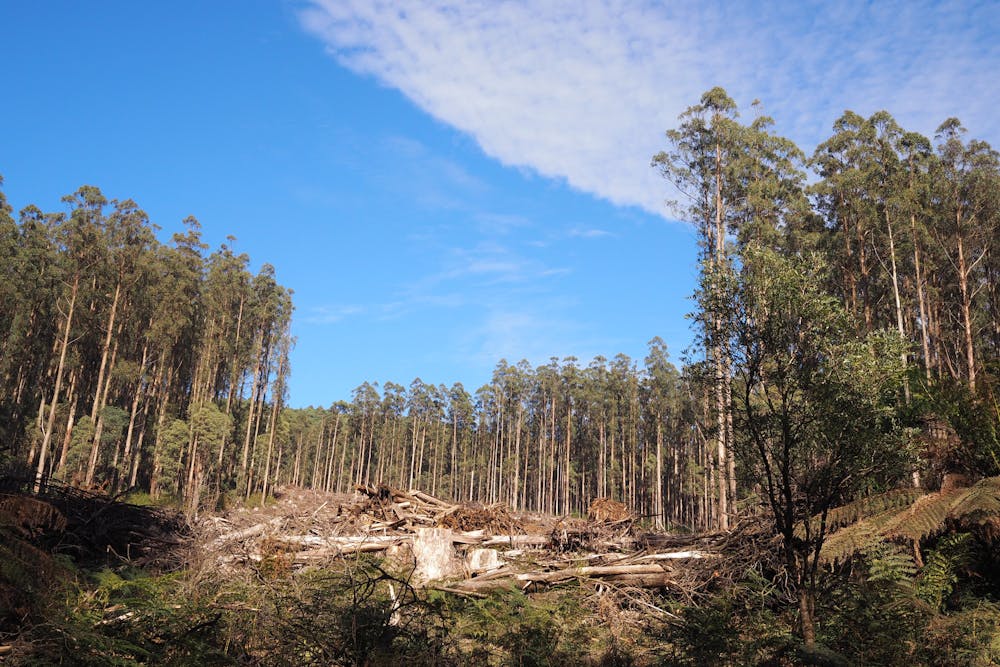 Logging of Mountain Ash forests damaged ecosystems. But is the answer to lock up forests as wilderness?
AAP
Logging of Mountain Ash forests damaged ecosystems. But is the answer to lock up forests as wilderness?
AAP
The shift will also create economic opportunities for First Peoples in taking on custodianship of these landscapes. The end to state sponsored logging is an excellent opportunity for the government to meet its commitment to self-determination of First Peoples.
When the government creates its panel of advisors on what to do with state forests post-logging, it must ensure First Peoples voices are strongly represented – and that the panel advises on tenure and ownership of the land and the future shape of these forests. We would be dismayed if these voices were not heard until after significant decisions such as new national parks had been made.
What might Victorian forests of the future look like? There’s no simple answer, because Forest Country is as diverse as the cultures of the Traditional Custodians who care for it.
But we can say that they should be shaped by the thoughtful stewardship of Victorians, with First Peoples cultural knowledge and practice at the fore. At the heart of this stewardship must be the love of Country – and care for community.


